
Fascia Board Kenya: Sizes, Roof Timber and Termite Treatment
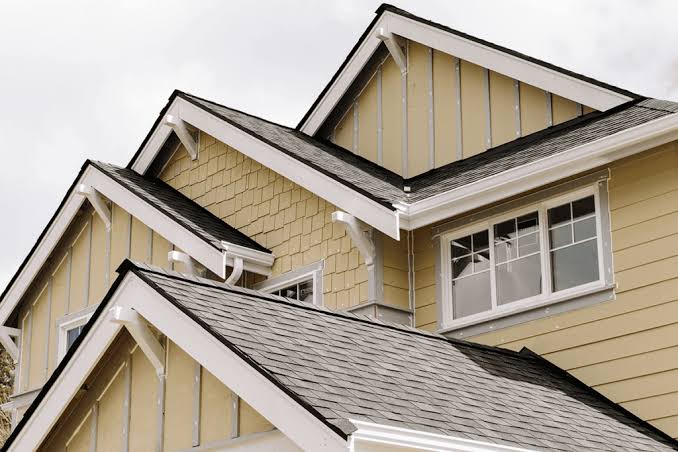
Fascia board Kenya choices affect both the appearance and performance of a roof because fascia boards provide a finished edge while also supporting or concealing parts of the roof drainage system.
Although fascia boards are often treated as a finishing detail, they are closely connected to the roof structure, gutters, soffits and eaves. Choosing the wrong timber, inadequate dimensions or poorly treated boards can result in sagging, rot, termite damage, loose gutter fixings and an untidy roofline.
Roof timber has an even more fundamental role. Rafters, trusses, purlins, battens and other structural members must be correctly sized for the roof design and installed using suitable timber and connections.
For Kenyan construction projects, the selection process should therefore consider timber species, dimensions, structural requirements, moisture exposure, treatment, fixing methods and maintenance.
A good roof begins with good timber decisions.
Fascia Board Kenya: What Is a Fascia Board?
A fascia board is a board fixed along the edge of a roof, commonly at the ends of rafters, providing a finished roof edge and a fixing surface for components such as gutters.
Depending on the roof design, fascia boards can perform several functions.
They can:
- Cover the ends of rafters.
- Create a clean roofline.
- Provide support for gutter brackets.
- Help close the roof edge.
- Provide a transition between roofing and wall finishes.
- Support or connect with soffit systems.
Fascia boards are generally positioned at the eaves, although roof designs can include fascia-type boards at other edges.
The board needs to be sufficiently strong and securely fixed, particularly when gutters are attached to it.
A fascia that looks good but cannot securely hold gutter fixings is not performing its full function.
Fascia Board Kenya: Why Timber Selection Matters
The quality of fascia timber affects how well the board withstands moisture, insects, fasteners, gutter loads and long-term environmental exposure.
Timber used at roof edges can experience changing conditions.
It may be exposed to:
- Humidity.
- Rain splash.
- Condensation.
- Temperature changes.
- Insects.
- Fungal decay.
- UV exposure.
Untreated or poorly protected timber can deteriorate over time.
This can lead to:
- Cracking.
- Warping.
- Rot.
- Termite damage.
- Loose fixings.
- Gutter instability.
Choosing suitable timber and protecting it before installation can significantly improve service life.
Fascia Board Kenya: Common Fascia Board Sizes
Fascia dimensions should be selected according to the roof design, required structural performance, gutter system and available timber, rather than relying on one universal size.
Commonly encountered timber board dimensions can vary according to supplier and project requirements.
For example, boards may be available in approximate widths such as:
- 150 mm.
- 200 mm.
- 225 mm.
- 250 mm.
Thicknesses also vary.
The correct size depends on the intended application.
A fascia that is only serving as a visual finishing board may have different requirements from one that carries gutter brackets or contributes to an eaves assembly.
Always verify actual dressed dimensions because nominal timber sizes can differ from the finished size after machining.
Fascia Board Kenya: Nominal vs Actual Timber Dimensions
The size stated when purchasing timber may not be identical to the finished dimensions because sawn timber can be planed or dressed during processing.
For example, a board described by its nominal dimensions may arrive slightly smaller after dressing.
This matters when calculating:
- Gutter positioning.
- Soffit installation.
- Roof-edge detailing.
- Material quantities.
- Fixing lengths.
When ordering timber, confirm whether the supplier is quoting:
- Rough-sawn dimensions.
- Dressed dimensions.
- Finished dimensions.
This avoids confusion between drawings, quantities and actual materials delivered to site.
Roof Timber Sizes: What Determines Timber Dimensions?
Roof timber sizes are determined by structural loads, span, spacing, timber strength, roof covering, wind conditions and the design of the roof structure.
It is important not to choose structural timber solely by visual appearance.
A roof structure may contain:
- Rafters.
- Trusses.
- Purlins.
- Battens.
- Ceiling joists.
- Fascia boards.
- Eaves boards.
- Bracing members.
Each component performs a different role.
A timber size suitable for one component may not be appropriate for another.
For structural members, the required dimensions should be determined through proper structural design.
Roof Timber Sizes: Rafters
Rafters carry roof loads and transfer them toward the supporting walls or other structural elements, making their size and spacing important structural decisions.
Rafter requirements depend on:
- Span.
- Spacing.
- Roof covering weight.
- Wind loads.
- Timber grade.
- Roof geometry.
- Support conditions.
A lightweight metal roof and a heavier roof covering do not necessarily impose the same loads.
Likewise, a short rafter span cannot automatically be compared with a much longer span.
For this reason, there is no single rafter size that should be used for every Kenyan house.
Roof Timber Sizes: Purlins
Purlins support roofing materials or intermediate roof members and must be selected according to span, spacing, loads and the roofing system.
Purlins can be made from:
- Timber.
- Steel.
- Other structural materials.
Where timber purlins are used, the size must be compatible with the design.
The roofing material also affects the requirements.
Metal sheets, tiles and other roof coverings have different weights and fixing arrangements.
Purlin spacing should therefore follow the roofing manufacturer’s requirements and the structural design.
Roof Timber Sizes: Battens
Roof battens provide fixing support for certain roofing systems and must be correctly spaced and sized for the covering being installed.
For example, tile roofing typically relies heavily on correctly positioned battens.
Incorrect spacing can cause:
- Poor tile alignment.
- Weak fixing.
- Uneven roof appearance.
- Increased risk of movement.
- Installation difficulties.
The appropriate batten size should be selected based on the roof covering and structural requirements.
For metal roofing, the supporting arrangement may instead involve purlins or other members depending on the roof design.
Roof Timber Sizes: Trusses
Roof trusses distribute roof loads through a structural framework, with individual timber members selected according to engineering calculations and the intended roof geometry.
A truss may contain:
- Top chords.
- Bottom chords.
- Web members.
- Bracing.
- Connections.
The dimensions of these members cannot safely be selected using a generic online table without considering the actual design.
Important variables include:
- Roof span.
- Truss spacing.
- Roof pitch.
- Loads.
- Timber grade.
- Connection design.
- Wind conditions.
For structural roof trusses, qualified structural design is recommended.
Fascia Board Kenya: Choosing Timber for Fascia
Fascia timber should be straight, sound, adequately dry and suitable for the environmental conditions where it will be installed.
When inspecting timber, look for:
- Excessive knots.
- Cracks.
- Splits.
- Warping.
- Fungal staining.
- Insect holes.
- Soft sections.
- Excessive moisture.
A board that is badly twisted can be difficult to install neatly.
Similarly, timber with significant defects may provide poor fixing strength for gutters.
Straight and properly prepared boards usually produce a cleaner finished roof edge.
Timber Treatment Termites: Why Treatment Matters
Timber treatment termites protection is important because termites can attack untreated timber and compromise roof components, fascia boards and other wooden construction elements.
Termites are particularly concerning where timber is exposed to conditions that allow insect activity.
Damage may not always be immediately visible.
A timber member can appear sound externally while internal sections have been weakened.
Treatment can help protect suitable timber against biological threats, although treatment does not remove the need for good construction practices and inspection.
Timber Treatment Termites: What Does Timber Treatment Do?
Timber treatment uses approved preservatives or processes to improve resistance against biological deterioration, including certain insects and fungi.
Depending on the treatment system, treated timber may have protection against:
- Termites.
- Wood-boring insects.
- Fungal decay.
- Certain moisture-related deterioration.
The effectiveness depends on:
- Treatment method.
- Preservative used.
- Timber species.
- Treatment penetration.
- Exposure conditions.
- Handling after treatment.
Not all timber sold as “treated” should be assumed to have identical protection.
Ask the supplier about the treatment process and intended application.
Timber Treatment Termites: Pressure Treatment
Pressure treatment is a controlled process designed to drive preservative deeper into suitable timber, potentially providing more consistent protection than simple surface application.
This type of treatment can be particularly useful for construction timber where long-term protection is required.
However, treated timber can still be damaged after treatment.
Cutting, drilling and machining can expose untreated internal timber.
Where treatment has been compromised, the exposed area may require appropriate preservative treatment according to the product manufacturer’s instructions.
Timber Treatment Termites: Surface Treatment
Brush-applied or sprayed preservatives can provide useful protection, but their performance may depend heavily on surface preparation, application quality and penetration.
Surface treatment may be suitable for certain applications and maintenance work.
However, it should not automatically be considered equivalent to industrial treatment.
When purchasing structural roof timber, establish what type of treatment has actually been applied.
This is particularly important for:
- Rafters.
- Trusses.
- Purlins.
- Battens.
- Fascia boards.
Fascia Board Kenya: Protecting Cut Ends
Cutting treated timber exposes fresh surfaces, so exposed ends should receive suitable protection where recommended by the treatment manufacturer.
This is particularly relevant around:
- Fascia joints.
- Rafter ends.
- Notches.
- Bolt holes.
- Screw holes.
- Trimmed boards.
A treated board can lose some of its protection at a freshly cut surface.
The installer should therefore follow the preservative manufacturer’s instructions for any required end treatment.
Fascia Board Kenya: Fixing to Rafters
Fascia boards should be securely fixed to suitable structural members so that the board remains straight and stable over time.
Fixing options can include:
- Galvanised nails.
- Exterior-grade screws.
- Other suitable corrosion-resistant fasteners.
The appropriate fixing depends on the timber and construction detail.
Fasteners should be long enough to achieve adequate penetration into the supporting timber without causing splitting.
Where gutters will be attached, the fixing arrangement should provide sufficient strength for the gutter system.
Fascia Board Kenya: Gutter Support
When gutters are fixed to fascia boards, the fascia must be strong enough to resist the weight of the gutter, water and temporary debris loads.
This is one of the most important reasons to avoid treating fascia as purely decorative.
A gutter full of water can become significantly heavier than an empty gutter.
If the fascia is weak, rotten or inadequately fixed, gutter brackets can pull away.
Warning signs include:
- Sagging gutters.
- Loose brackets.
- Fascia movement.
- Cracked timber.
- Water pooling.
- Gutter separation.
If these signs appear, inspect the fascia rather than simply replacing the gutter brackets.
Fascia Board Kenya: Fascia and Soffit
Fascia and soffit work together to finish and protect the eaves, although they perform different functions.
The fascia generally forms the vertical front edge.
The soffit typically closes the underside of the eaves.
Together, they can:
- Improve appearance.
- Protect roof edges.
- Reduce exposure to birds and pests.
- Support ventilation details.
- Create a finished transition between roof and wall.
Ventilation should not be blocked when installing soffits.
A well-designed roof may require controlled ventilation at the eaves to manage moisture within the roof assembly.
Fascia Board Kenya: Timber vs Alternative Fascia Materials
Timber is a traditional fascia material, but alternatives can provide different maintenance, durability and appearance characteristics.
Depending on the building design, fascia may be made from:
- Treated timber.
- PVC.
- Fibre-cement products.
- Metal.
- Composite materials.
Timber remains popular because it is easy to cut, fix and finish.
However, it requires appropriate protection and maintenance.
Alternative products may offer lower maintenance in some situations but can have different installation requirements.
The best option depends on the building and desired finish.
Fascia Board Kenya: Painting and Finishing Timber
Painting or coating fascia timber can improve appearance and provide additional protection, provided the timber is properly prepared and the coating system is suitable.
Before painting:
- Ensure timber is sufficiently dry.
- Remove dirt and dust.
- Sand rough areas where appropriate.
- Treat exposed cut ends as required.
- Apply a compatible primer if specified.
- Apply suitable exterior coating.
- Allow adequate drying time.
Pay particular attention to joints and cut ends.
The coating should be maintained when it begins to deteriorate.
For related finishing materials, you can explore our range of paints when preparing a roofing or renovation project.
Fascia Board Kenya: Common Timber Problems
Fascia boards can deteriorate when exposed to persistent moisture, poor ventilation, insects, physical damage or inadequate maintenance.
Common problems include:
Rot
Usually associated with prolonged moisture exposure.
Termite damage
Can weaken the timber from within.
Warping
May result from moisture movement or unsuitable timber.
Splitting
Can occur around poorly positioned or oversized fasteners.
Paint failure
May indicate moisture problems beneath the coating.
Gutter bracket failure
Can indicate weak or deteriorated fascia.
Identifying the cause is important before replacing the board.
Timber Treatment Termites: Signs of Infestation
Visible mud tubes, hollow-sounding timber, discarded wings, damaged wood and unexplained weakening can indicate termite activity, although professional inspection may be necessary for confirmation.
Possible warning signs include:
- Small holes.
- Crumbling timber.
- Hollow sections.
- Mud-like structures.
- Swarming insects.
- Damaged structural members.
Do not assume that painting over damaged timber will solve the problem.
If structural timber is affected, the extent of damage should be assessed before repairs are undertaken.
Fascia Board Kenya: Moisture Protection
Keeping timber dry is one of the most effective ways to reduce decay risk, making roof drainage and flashing just as important as timber treatment.
Timber treatment cannot compensate for persistent water exposure.
Check that:
- Gutters do not overflow.
- Downpipes are not blocked.
- Flashings are functioning.
- Roof leaks are repaired.
- Fascia is not constantly exposed to splashback.
- Water drains away from the building.
A leaking gutter can repeatedly wet the fascia.
Over time, even good-quality timber may deteriorate if the source of moisture is not corrected.
Fascia Board Kenya: Roof Edge Ventilation
Roof-edge ventilation can help manage moisture and heat within appropriate roof assemblies, but ventilation openings should be protected from pests and weather.
Depending on the roof construction, ventilation may occur through:
- Eaves vents.
- Soffit vents.
- Ridge ventilation.
- Other designed openings.
Do not block designed ventilation paths simply to make the roof edge look more enclosed.
The correct ventilation strategy depends on the roof construction and building design.
Roof Timber Sizes: Why Spacing Matters
Timber size cannot be considered independently from spacing because the distance between rafters, purlins or trusses affects how loads are distributed.
For example, two roofs may use the same timber dimensions but have different member spacing and spans.
Their structural performance may therefore be completely different.
Structural roof design should consider:
- Member size.
- Member spacing.
- Span.
- Timber strength.
- Roof load.
- Connections.
- Bracing.
This is why generic “standard roof timber size” lists should be treated as reference information rather than a substitute for structural design.
Roof Timber Sizes: Timber Grade Matters
The strength of timber depends on more than its physical dimensions, making timber grade and quality important when selecting structural roof members.
Two pieces of timber with identical dimensions can have different structural performance because of:
- Species.
- Density.
- Knots.
- Grain.
- Defects.
- Moisture content.
- Treatment.
- Grading.
Structural applications should use timber suitable for the required engineering performance.
Roof Timber Sizes: Moisture Content
Timber moisture content affects dimensional stability and can influence the risk of shrinkage, movement and biological deterioration.
Timber that is installed excessively wet may shrink as it dries.
This can lead to:
- Loose joints.
- Gaps.
- Twisting.
- Cracking.
- Movement around fixings.
Properly prepared timber is therefore preferable for quality construction.
Storage also matters.
Timber should be protected from unnecessary exposure to rain and ground moisture before installation.
Fascia Board Kenya: Storing Timber on Site
Roof timber should be stored off the ground, protected from unnecessary moisture and arranged to minimise distortion before installation.
Good site storage includes:
- Raising timber above the ground.
- Providing ventilation.
- Protecting timber from rain.
- Avoiding direct contact with wet soil.
- Stacking timber properly.
- Preventing unnecessary bending.
Do not wrap wet timber tightly in a way that traps moisture.
The objective is to keep the timber in suitable condition until it is installed.
Fascia Board Kenya: Buying the Right Quantity
Accurate timber measurement reduces waste and helps ensure that sufficient material is available for roof construction and finishing.
When estimating fascia boards, measure:
- Eave lengths.
- Gable edges where applicable.
- Roof projections.
- Joint locations.
- Required overlaps or butt joints.
- Waste allowance.
For structural roof timber, quantities should come from the roof design and framing plan.
Do not estimate structural timber purely from floor area.
Two houses with the same floor area can have very different roof structures.
Fascia Board Kenya: Practical Buying Checklist
Before purchasing fascia and roof timber, confirm the dimensions, treatment, quality, application and fixing requirements rather than buying solely by price.
Ask:
- What timber species is being supplied?
- Is it treated?
- What treatment was used?
- What are the actual finished dimensions?
- Is it suitable for structural use?
- Is the timber straight?
- Are there major defects?
- How will it be stored?
- What fasteners will be required?
- Will gutters be attached to it?
For a large project, these questions can prevent costly material problems later.
Roof Timber Sizes: Planning a New Roof
A new roof should be designed as an integrated system in which timber structure, roofing material, fascia, gutters, flashings and ventilation work together.
Before construction starts, establish:
- Roof pitch.
- Roof covering.
- Structural layout.
- Timber sizes.
- Truss or rafter spacing.
- Purlin arrangement.
- Fascia dimensions.
- Gutter position.
- Downpipe locations.
- Ventilation requirements.
This approach reduces site modifications.
It also makes it easier to calculate material quantities and budget accurately.
Fascia Board Kenya: Renovating an Existing Roof
Roof renovation provides an opportunity to inspect fascia and roof timber for hidden deterioration before installing new roofing or gutters.
Inspect exposed timber for:
- Rot.
- Termite damage.
- Cracks.
- Movement.
- Water stains.
- Insect holes.
- Loose connections.
If old gutters have been leaking, pay particular attention to the fascia behind them.
Replacing the gutter without repairing damaged fascia may result in repeated bracket failure.
Fascia Board Kenya: Maintenance
Regular inspection of fascia and exposed roof timber can identify moisture and insect problems before they affect larger parts of the roof.
A maintenance inspection should include:
- Fascia condition.
- Gutter brackets.
- Paint or protective coating.
- Roof leaks.
- Timber joints.
- Signs of insects.
- Water damage.
- Ventilation openings.
Where paint is peeling, determine why before repainting.
Peeling may be a symptom of moisture entering the timber.
Fascia Board Kenya: Common Installation Mistakes
Many fascia problems are caused by poor installation rather than inherently poor timber.
Avoid:
- Fixing into weak or rotten timber.
- Using unsuitable fasteners.
- Leaving cut ends unprotected where treatment requires it.
- Installing wet or badly warped timber.
- Blocking ventilation.
- Ignoring gutter loads.
- Failing to align boards.
- Leaving timber exposed to persistent water.
- Using structural timber without proper design.
Good workmanship is essential.
Fascia Board Kenya: Cost Considerations
The total cost of fascia and roof timber depends on timber species, dimensions, treatment, quantity, machining, wastage, transport and installation.
When preparing a budget, include:
- Structural timber.
- Fascia boards.
- Battens.
- Purlins.
- Treatment.
- Fasteners.
- Brackets.
- Paint or protective coating.
- Labour.
- Transport.
- Waste allowance.
A cheaper untreated board may not represent better value if it requires early replacement.
Similarly, over-specifying timber can increase costs unnecessarily.
The goal is to use suitable materials for each application.
Fascia Board Kenya: Choosing Fasteners
Fasteners should be selected for the timber, exposure conditions and structural application, with corrosion resistance considered for roof-edge components.
Depending on the application, construction may require:
- Galvanised nails.
- Galvanised screws.
- Stainless-steel fasteners in demanding environments.
- Bolts.
- Structural connectors.
The correct fixing depends on the joint.
For general hardware requirements, you can browse our range of bolts and nuts when preparing your materials list.
Do not substitute fasteners purely because they are cheaper or readily available.
Fascia Board Kenya: Tools for Installation
Proper tools make timber cutting, drilling, fastening and finishing more accurate and reduce unnecessary damage to boards.
Depending on the project, useful equipment may include:
- Measuring tape.
- Circular saw.
- Hand saw.
- Drill.
- Screwdriver.
- Spirit level.
- Clamps.
- Hammer.
- Sanding equipment.
You can explore our power tools when preparing equipment for a roofing or timber project.
For drilling applications, browse our drill bits for suitable options.
Fascia Board Kenya: Protecting the Finished Roof
A well-installed fascia should form part of a complete roof-edge system that manages water, supports gutters and protects exposed timber from unnecessary deterioration.
After installation, check that:
- The board is straight.
- Fixings are secure.
- Gutter brackets are properly supported.
- Coatings are intact.
- Joints are neat.
- Water does not collect behind the fascia.
- Roof drainage works correctly.
The roof should be inspected after the first significant rainfall to identify drainage or leakage problems.
Fascia Board Kenya: Frequently Asked Questions
What is a fascia board?
A fascia board is a board installed along a roof edge, commonly covering rafter ends and providing a finished edge and potential fixing surface for gutters.
What size fascia board should I use?
The appropriate size depends on the roof design, gutter system, structural requirements and available timber. There is no universal size for every building.
What are common roof timber sizes?
Roof timber dimensions vary depending on whether the member is a rafter, purlin, batten, truss member or other component. Structural sizes should be determined by the roof design.
Should fascia timber be treated?
Yes, suitable timber treatment can help protect fascia against termites, insects and fungal deterioration. The treatment should match the intended application.
Does treated timber last forever?
No. Treatment improves resistance but does not make timber immune to moisture, insects, physical damage or deterioration.
Can untreated timber be used for a roof?
Untreated timber may be unsuitable for many exposed or vulnerable applications. Appropriate treatment and timber selection should be considered according to the building requirements.
Can termites damage roof timber?
Yes. Termites can attack suitable timber and potentially weaken structural and non-structural components.
Can I paint treated timber?
Yes, depending on the treatment and coating system. The timber should be sufficiently dry and the paint system should be compatible with the treatment.
Why is my fascia board rotting?
Persistent moisture is a common cause. Leaking gutters, poor flashing, roof leaks and water splash can keep fascia timber wet and encourage deterioration.
Can gutters be fixed directly to fascia?
Yes, provided the fascia is sufficiently strong, correctly fixed and suitable for the gutter system.
Should fascia be installed before gutters?
Fascia is normally installed as part of the roof-edge construction before the final gutter installation, although the exact sequence depends on the roof design.
Is timber better than PVC fascia?
Both have advantages. Timber offers a traditional appearance and is easy to work with, while PVC and other alternatives may offer lower maintenance in certain applications.
What should I check when buying roof timber?
Check species, grade, dimensions, straightness, moisture condition, treatment and visible defects. Structural timber should be suitable for the intended engineering application.
How should roof timber be stored?
Store timber off the ground in a ventilated location protected from unnecessary rain and moisture, with stacking arranged to reduce distortion.
Fascia Board Kenya: Build the Roof Around the Right Timber
Fascia boards and roof timber may be hidden or overlooked once a house is complete, but they have an important influence on roof stability, drainage, appearance and long-term maintenance.
The right approach is to treat timber selection as part of the complete roof design.
For fascia boards, consider:
- Correct dimensions.
- Timber quality.
- Treatment.
- Fixing.
- Gutter support.
- Moisture exposure.
- Finishing.
For structural roof timber, consider:
- Span.
- Spacing.
- Timber grade.
- Roof loads.
- Structural design.
- Connections.
- Bracing.
- Treatment.
For termite protection, use suitable treated timber and avoid creating conditions where timber remains unnecessarily damp.
Most importantly, do not select structural roof timber based solely on a generic size list. A safe roof requires dimensions and connections appropriate to the actual building.
Whether you are constructing a new home, replacing an old roof or upgrading gutters and fascia, choosing the right materials at the beginning can prevent expensive repairs later.
Ngong Hills Merchants can support your project with hardware, tools, timber-related accessories, fasteners, paints and other construction supplies.
Your One-Stop Hardware Partner in Ngong
Imagine completing your project with the right tools, the best materials, and expert advice. At Ngong Hills Merchants, we turn your DIY or construction vision into reality with a complete selection of plumbing, electrical, glass, and sanitary ware.
Contact our team for a consultation and get the right supplies, right now.
QUALITY HARDWARE & SUPPLIES IN NGONG ✔ Complete Range of Plumbing & Electrical ✔ Power Tools, Adhesives & Paints ✔ Glass, Framing & Sanitary Ware ✔ Serving Ngong, Karen, Matasia, Kiserian & beyond.
Request Your Free Consultation: Ngong Hills Merchants
Email: ngonghillsmerchants [at] gmail.com
Phone: +254 715974811
Visit Us: Ngong Township, Ngong, Kenya
Website: https://ngonghillsmerchants.com/