
Hardware Trade Account Kenya: Credit Terms, Discounts and How to Open One
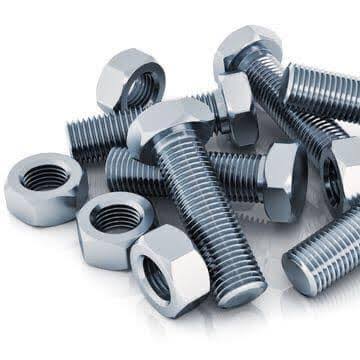
A hardware trade account Kenya contractors, builders, fundis, developers and maintenance professionals can use can make recurring material purchasing easier to manage. Instead of treating every purchase as an isolated transaction, a trade account can provide a structured way to buy hardware, track spending and discuss commercial purchasing arrangements with a supplier.
For contractors managing several projects, purchasing materials regularly can represent a significant part of project expenditure. Pipes, fittings, electrical accessories, paints, adhesives, fasteners, tools and finishing materials all contribute to the total cost of completing a job.
A properly managed contractor account can make this procurement process more organised.
Trade accounts can potentially provide access to negotiated pricing, bulk purchasing arrangements and, where approved, credit terms. However, the exact discounts, credit limits, payment periods and eligibility requirements should always be confirmed directly with the supplier before an account is opened.
For businesses that purchase hardware frequently, the biggest advantage is often consistency. Instead of repeatedly starting the purchasing process from scratch, a trade relationship can create a more structured procurement system.
Hardware Trade Account Kenya: What Is a Contractor Trade Account?
A contractor trade account is a business purchasing arrangement designed for customers who regularly buy hardware and construction supplies for professional projects.
Unlike an occasional retail purchase, a trade account is generally intended for customers such as:
- Building contractors.
- Construction companies.
- Fundis.
- Property developers.
- Renovation companies.
- Interior contractors.
- Plumbing contractors.
- Electrical contractors.
- Maintenance companies.
- Property managers.
- Fabricators.
- Other professional buyers.
The account may allow the customer to establish an ongoing purchasing relationship with the hardware supplier.
Depending on the supplier’s policies and the customer’s approval status, the arrangement may include trade pricing, quantity-based discounts, invoicing facilities or credit terms.
Not every trade account automatically includes credit. A supplier may approve a customer for trade pricing while requiring payment at the time of purchase.
This distinction is important when planning business cash flow.
Contractor Credit Account: How Does It Work?
A contractor credit account allows an approved business customer to purchase eligible materials and settle the account according to agreed payment terms rather than paying the entire amount immediately.
Credit arrangements are normally subject to approval.
A supplier may consider factors such as:
- Business registration.
- Trading history.
- Customer history.
- Purchase volumes.
- References.
- Financial information.
- Ability to meet agreed payment obligations.
The supplier may also establish a credit limit and payment period.
For example, an approved customer might have a defined account limit and an agreed settlement period. The actual limit and period should be confirmed directly with the supplier because they vary between businesses and customers.
Credit should not be treated as additional profit. It is a payment arrangement that must be managed carefully.
For contractors, the objective should be to align supplier payment obligations with project cash flow and customer collections.
Hardware Trade Account Kenya: Who Should Apply?
A trade account is most useful for customers who purchase hardware regularly rather than people making occasional household purchases.
Potential applicants include contractors who purchase materials for several construction projects.
A plumbing company may regularly require pipes and fittings.
An electrical contractor may repeatedly purchase electrical accessories.
A property maintenance company may need recurring supplies for different buildings.
A developer may purchase large quantities of materials throughout a construction programme.
A renovation contractor may require paints, adhesives, tools, sanitary ware and other finishing products.
For these businesses, a trade relationship can make procurement more systematic.
If you only purchase hardware once or twice a year, a standard retail purchasing arrangement may be sufficient.
Bulk Discount Hardware: How Trade Pricing Can Help
Bulk discount hardware arrangements can reduce the effective unit cost when customers purchase larger quantities, although the actual discount depends on the product, quantity and supplier’s commercial terms.
Not every product has the same margin or discount structure.
A supplier may have different pricing considerations for:
- High-volume products.
- Low-margin products.
- Special-order products.
- Imported products.
- Promotional products.
- Large equipment.
- Commodity materials.
For example, purchasing a larger quantity of commonly used fittings may create different commercial opportunities from purchasing a single specialised power tool.
Contractors should therefore ask for pricing based on the actual order rather than assuming that every product receives the same discount.
Hardware Trade Account Kenya: Understanding Trade Discount Tiers
Trade discount tiers are pricing levels that may be linked to purchase volume, customer category or agreed commercial arrangements.
A supplier may structure trade pricing according to:
- Order value.
- Monthly purchasing volume.
- Product category.
- Customer type.
- Frequency of purchases.
- Negotiated terms.
For example, a contractor making regular purchases may receive a different price from a customer purchasing a single item.
The important point is that trade pricing should be evaluated against the total project cost rather than one discounted product.
A supplier offering a discount on one category may still have different prices on another category.
For major projects, request a quotation for the complete materials list.
Hardware Trade Account Kenya: Why Contractors Need Consistent Pricing
Consistent commercial pricing can help contractors prepare quotations and estimate project material costs more accurately.
Imagine a contractor preparing a quotation for a residential construction project.
The materials list could include:
- Plumbing fittings.
- Electrical accessories.
- Paint.
- Adhesives.
- Fasteners.
- Sanitary ware.
- Glass.
- Tools.
If material prices change between every purchase, maintaining accurate project costing becomes more difficult.
A trade relationship can provide a more structured basis for requesting quotations and discussing recurring purchases.
However, construction material prices can change due to market conditions, supplier costs, exchange rates, transport expenses and product availability.
Contractors should therefore confirm prices before committing to a project quotation.
Hardware Trade Account Kenya: Materials You Can Purchase
A trade account can be useful when a contractor regularly purchases several hardware categories for construction, renovation and maintenance work.
Depending on availability, a contractor may need products such as:
- Plumbing supplies.
- Electrical fittings.
- Paints.
- Adhesives.
- Glass.
- Sanitary ware.
- Power tools.
- Drill bits.
- Bolts and nuts.
- Framing materials.
- Cleaning products.
- General hardware.
You can explore our extensive range of plumbing supplies when preparing recurring contractor orders.
For electrical projects, you can browse our electrical fittings.
For finishing projects, explore our paints collection and modern sanitary ware.
This makes a trade relationship potentially useful for businesses that source multiple product categories from the same supplier.
Contractor Credit Account: Credit Is Not the Same as a Discount
A credit account and a trade discount provide different benefits and should be considered separately when evaluating a supplier relationship.
A discount reduces the purchase price.
Credit changes when the purchase must be paid.
For example, suppose a contractor purchases materials worth KES 100,000.
If a supplier provides a negotiated discount, the invoice may be reduced according to the agreed pricing.
If the supplier provides credit, the contractor may be allowed to settle the invoice according to an agreed payment period.
The two arrangements can sometimes exist together, but neither should be assumed without confirmation.
This distinction is particularly important when comparing suppliers.
Hardware Trade Account Kenya: Why Credit Terms Matter
Credit terms can influence contractor cash flow because materials are often purchased before a contractor receives final payment from the client.
Consider a contractor working on a staged construction project.
The contractor may purchase materials at the beginning of a work stage, pay workers during the project and receive payment from the client later.
If supplier payment is required immediately, the contractor needs enough working capital to cover the material purchase.
An approved credit arrangement may provide additional flexibility.
However, credit creates a financial obligation.
A contractor should monitor:
- Outstanding invoices.
- Payment due dates.
- Credit limits.
- Project cash flow.
- Client payment schedules.
- Late-payment consequences.
Using credit responsibly is essential.
Hardware Trade Account Kenya: How to Open an Account
Opening a trade account generally starts with contacting the supplier and providing the information required to assess the business and establish suitable purchasing terms.
The exact application process depends on the supplier.
A prospective customer may be asked to provide information such as:
- Business name.
- Contact details.
- Business registration information.
- Physical or business address.
- Tax information where applicable.
- Nature of business.
- Expected purchasing volume.
- Trade references.
- Identification or authorised signatory details.
For credit applications, additional information may be requested.
Do not assume that submitting an application automatically means credit has been approved.
The supplier must confirm the account status and applicable terms.
Hardware Trade Account Kenya: Documents for a Trade Application
Having basic business information ready can make the trade-account application process more efficient.
Depending on the supplier’s requirements, applicants may need documents such as:
- Certificate of business registration or incorporation.
- Relevant tax documentation.
- Business contact details.
- Identification documents for authorised representatives.
- Company address.
- Trade references.
- Purchase history.
- Other credit-supporting information where applicable.
Requirements vary between suppliers.
Before submitting documents, ask the supplier for the current application requirements.
Hardware Trade Account Kenya: Credit Assessment
Credit facilities are normally subject to assessment because the supplier needs to understand the customer’s ability and willingness to settle invoices according to agreed terms.
A supplier may consider:
- How long the business has operated.
- Previous purchasing history.
- Payment history.
- Expected purchase volume.
- Business references.
- Requested credit limit.
- Available supporting documentation.
An established customer with a strong payment history may be in a different position from a newly formed business with no purchasing history.
This does not mean a new business cannot establish a trade relationship. It means the supplier may apply different conditions while a purchasing history is established.
Contractor Credit Account: Choosing a Suitable Credit Limit
A sensible credit limit should support normal purchasing requirements without encouraging a contractor to take on more supplier debt than the business can comfortably repay.
The credit limit should be considered alongside:
- Average monthly purchases.
- Project size.
- Client payment terms.
- Existing liabilities.
- Cash reserves.
- Expected material requirements.
A contractor managing several projects should not automatically request the highest possible limit.
The objective is to create a useful purchasing facility that remains manageable.
Bulk Discount Hardware: How to Negotiate Better Pricing
Contractors can improve their commercial purchasing position by approaching suppliers with accurate quantities, recurring requirements and a clear understanding of their purchasing patterns.
Instead of simply asking, “Can you give me a discount?”, provide useful information.
For example:
We purchase approximately this quantity of plumbing fittings every month and expect to maintain this volume across several projects.
This gives the supplier a better basis for discussing pricing.
Other useful information includes:
- Monthly purchase volume.
- Product categories.
- Typical order value.
- Project duration.
- Expected repeat purchases.
- Delivery requirements.
Suppliers can then determine whether a commercial arrangement is appropriate.
Hardware Trade Account Kenya: Bulk Buying Versus Overbuying
Buying in bulk can reduce unit costs, but purchasing more materials than the project needs can create unnecessary working-capital and storage costs.
Before placing a large order, consider:
- Actual project quantity.
- Storage capacity.
- Product shelf life.
- Future project requirements.
- Price stability.
- Risk of damage.
- Client specification changes.
For example, buying additional paint may not be sensible if the product has limited storage suitability or the project’s colour specification could change.
Bulk purchasing works best when the products are regularly used and the quantities can be justified.
Hardware Trade Account Kenya: Managing Contractor Purchases
A trade account becomes more valuable when purchasing is organised and properly recorded across projects.
Contractors should maintain records showing:
- Purchase date.
- Supplier invoice.
- Project name.
- Product category.
- Quantity.
- Unit cost.
- Total cost.
- Payment status.
This information helps determine the actual material cost of each project.
It can also make it easier to identify which products are purchased most frequently.
For a growing contractor, these records can support future price negotiations.
Contractor Credit Account: Avoiding Late Payments
Late payments can damage supplier relationships and may result in additional charges or changes to account terms, so contractors should actively monitor credit obligations.
Good practices include:
- Recording every invoice.
- Setting payment reminders.
- Matching invoices to projects.
- Checking statements regularly.
- Following up on disputed invoices quickly.
- Keeping sufficient funds available.
- Paying according to agreed terms.
A strong payment history can be valuable when negotiating future commercial arrangements.
Hardware Trade Account Kenya: Managing Multiple Projects
Contractors managing several projects should separate material purchases by project to avoid losing track of costs and outstanding supplier obligations.
For example:
Project A: Residential renovation.
Project B: New house construction.
Project C: Commercial maintenance.
Each project can have its own materials list and purchase records.
This makes it easier to determine whether a purchase should be charged to a particular client.
It also prevents one project’s material costs from being accidentally included in another project’s budget.
Hardware Trade Account Kenya: Trade Accounts for Plumbing Contractors
Plumbing contractors can benefit from structured purchasing when they regularly require pipes, fittings, valves and other installation products.
A plumber may repeatedly purchase:
- Pipes.
- Elbows.
- Tees.
- Couplers.
- Valves.
- Connectors.
- Taps.
- Waste fittings.
You can view our plumbing category when planning recurring plumbing purchases.
For high-volume contractors, providing expected quantities and purchasing frequency can help the supplier understand the business requirement.
Hardware Trade Account Kenya: Trade Accounts for Electrical Contractors
Electrical contractors may benefit from structured purchasing because recurring projects often require similar categories of fittings and accessories.
A contractor may regularly purchase:
- Switches.
- Sockets.
- Electrical accessories.
- Installation components.
You can browse our electrical range when preparing an electrical project order.
For larger projects, submit the complete materials schedule rather than purchasing individual items without considering the full installation.
Hardware Trade Account Kenya: Trade Accounts for Finishing Contractors
Painting, glazing and finishing contractors can also benefit from a structured supplier relationship when they repeatedly purchase consumables and finishing products.
Depending on the business, recurring products can include:
- Paint.
- Adhesives.
- Glass.
- Glass accessories.
- Sanitary ware.
- Drill bits.
- Fasteners.
You can browse our glass range for glazing requirements or explore our glass accessories for associated products.
Bulk Discount Hardware: Asking for a Project Quotation
For large projects, requesting a complete quotation can provide a clearer picture of the total material cost than purchasing products individually.
A project quotation should ideally be based on:
- Complete materials list.
- Required quantities.
- Product specifications.
- Delivery location.
- Required delivery schedule.
This approach gives the supplier enough information to assess the order.
It also gives the contractor a single reference point for reviewing the project material budget.
Hardware Trade Account Kenya: What to Check Before Signing Terms
Before accepting trade or credit terms, contractors should understand exactly how pricing, payment, credit limits and account management work.
Ask about:
- Trade discount structure.
- Credit limit.
- Payment period.
- Invoice process.
- Statement frequency.
- Late-payment charges.
- Account review procedures.
- Returns policy.
- Special-order products.
- Delivery charges.
- Price validity.
Written terms are preferable because both parties can refer back to the agreed conditions.
Hardware Trade Account Kenya: Returns and Special Orders
Trade customers should understand the supplier’s returns and special-order policies before placing large or non-standard purchases.
Not every product can necessarily be returned after ordering.
Special-order items may be sourced specifically for one customer.
Custom or cut products may have different return conditions.
Before placing a major order, confirm:
- Whether returns are accepted.
- Return time limits.
- Product condition requirements.
- Restocking charges where applicable.
- Treatment of special-order products.
- Warranty procedures.
This is particularly important when ordering expensive or project-specific materials.
Hardware Trade Account Kenya: Why a Long-Term Supplier Relationship Matters
A reliable supplier relationship can become a valuable business resource when a contractor regularly needs materials, quotations and project support.
A long-term relationship can help both sides understand:
- Typical product requirements.
- Ordering patterns.
- Preferred brands.
- Project volumes.
- Delivery needs.
- Payment behaviour.
Over time, this can make routine purchasing more efficient.
The relationship should work both ways: the contractor should provide accurate orders and make payments on time, while the supplier should provide clear pricing, product information and agreed service.
Hardware Trade Account Kenya: Apply for a Trade Account
Contractors and businesses that regularly purchase hardware can contact Ngong Hills Merchants to discuss trade purchasing, potential discounts and account requirements.
Before contacting the supplier, prepare:
- Business name.
- Contact information.
- Nature of business.
- Typical products purchased.
- Expected order volume.
- Project requirements.
- Delivery requirements.
- Any relevant business documentation.
For credit arrangements, ask specifically about the application process and eligibility requirements.
Do not assume that trade status automatically includes credit.
The supplier can confirm which options are available for your business.
Hardware Trade Account Kenya: Frequently Asked Questions
What is a hardware trade account?
A hardware trade account is a commercial purchasing arrangement for customers who regularly buy hardware and construction supplies for professional or business purposes.
Is a trade account the same as a credit account?
No. A trade account may provide trade pricing without providing credit. Credit must normally be separately approved and is subject to the supplier’s terms.
Can contractors receive bulk discounts?
Potentially, depending on product type, quantity, purchasing frequency and agreed commercial terms. Ask for project-specific or volume pricing when ordering significant quantities.
Who can apply for a contractor account?
Contractors, builders, fundis, developers, maintenance companies, property managers and other professional hardware buyers can enquire about trade-account options.
What documents may be required?
Requirements vary, but a supplier may request business registration information, contact details, identification of authorised representatives, references and other information relevant to the account or credit assessment.
Does every trade account receive credit?
No. Trade pricing and credit are separate arrangements. Any credit facility must be specifically approved.
How can I get better hardware pricing?
Provide accurate quantities, explain your recurring purchasing needs and request a quotation for the complete order. Larger or recurring purchases may provide opportunities for negotiated commercial pricing.
Can a small contractor apply?
A small contractor can enquire about trade-account options. The applicable pricing and credit terms depend on the supplier’s assessment and commercial policy.
Can I use the account for different projects?
A trade account can support purchasing across multiple projects, but contractors should maintain separate internal records so that material costs are correctly allocated.
Can I buy plumbing and electrical products through the same trade relationship?
Yes, where the supplier stocks both categories. Ngong Hills Merchants provides both plumbing and electrical product categories.
Does a trade account guarantee a discount?
No. Trade pricing depends on the supplier’s commercial terms, product category, purchase volume and customer arrangement.
How do I apply for a trade account with Ngong Hills Merchants?
Contact Ngong Hills Merchants with your business details, expected purchasing requirements and any relevant documentation. Ask the team about current trade pricing, credit-account eligibility and application requirements.
Hardware Trade Account Kenya: Build a Smarter Contractor Purchasing System
A well-managed trade account can help contractors organise recurring hardware purchases, negotiate suitable commercial terms and manage supplier payments more systematically.
The key is to treat the account as part of the business’s procurement system rather than simply as a way to obtain credit.
Start by understanding your normal purchasing volume.
Identify the products you buy repeatedly.
Prepare accurate project materials lists.
Request quotations for larger orders.
Understand the difference between discounts and credit.
Monitor invoices and payment deadlines.
Keep project costs properly separated.
When these practices are combined with a dependable supplier relationship, hardware procurement becomes easier to manage as the business grows.
If you are a contractor, builder, developer, fundi or property maintenance professional looking for a hardware trade account Kenya business can use for recurring purchases, contact Ngong Hills Merchants to discuss your requirements and find out which trade purchasing options may be available.
Your One-Stop Hardware Partner in Ngong
Imagine completing your project with the right tools, the best materials, and expert advice. At Ngong Hills Merchants, we turn your DIY or construction vision into reality with a complete selection of plumbing, electrical, glass, and sanitary ware.
Contact our team for a consultation and get the right supplies, right now.
QUALITY HARDWARE & SUPPLIES IN NGONG ✔ Complete Range of Plumbing & Electrical ✔ Power Tools, Adhesives & Paints ✔ Glass, Framing & Sanitary Ware ✔ Serving Ngong, Karen, Matasia, Kiserian & beyond.
Request Your Free Consultation: Ngong Hills Merchants
Email: ngonghillsmerchants [at] gmail.com
Phone: +254 715974811
Visit Us: Ngong Township, Ngong, Kenya
Website: https://ngonghillsmerchants.com/