
Roof Flashing Kenya: Ridges, Valleys and Flashings That Stop Roof Leaks
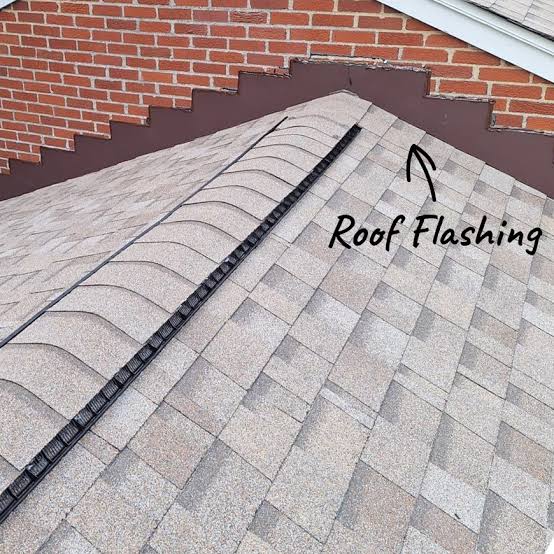
Roof flashing Kenya details are among the most important parts of a roofing system because they protect the vulnerable joints where different roof surfaces, edges and penetrations meet.
A roof can have good-quality mabati, tiles or other roofing materials and still develop leaks if its ridges, valleys and flashings are poorly designed or installed.
The most vulnerable areas are often not the middle of the roof sheets. They are the transitions and junctions: where two roof slopes meet, where the roof changes direction, where sheets terminate, where a roof meets a wall, and where openings or other structures interrupt the roof surface.
This is why roofing should not be viewed simply as putting sheets over rafters. A reliable roof is a complete water-management system in which the main covering, ridge caps, valleys, flashings, fixings and drainage details work together.
For Kenyan homes and buildings, these details are particularly important because heavy rainfall can quickly expose weak points. A joint that survives light showers may overflow or allow wind-driven rain into the building during an intense storm.
Understanding these details helps homeowners, contractors and property managers identify problems before they become expensive repairs.
Roof Flashing Kenya: Why Roof Details Leak
Roof details leak when water is allowed to enter joints, travel underneath roofing materials or bypass the intended drainage path.
Several factors can contribute to roof leakage:
- Incorrect flashing dimensions.
- Poorly formed valleys.
- Inadequate overlaps.
- Loose fixings.
- Damaged roofing sheets.
- Poor ridge installation.
- Blocked valleys.
- Incorrect roof pitch.
- Poorly sealed penetrations.
- Failed sealants.
- Wind-driven rain.
- Poor workmanship.
A common misconception is that every roof leak originates from a damaged roofing sheet.
In reality, the sheet itself may be perfectly intact while water enters through an improperly installed ridge cap, valley or flashing.
Water can also travel some distance beneath roofing materials before appearing inside the building. This means the visible stain on a ceiling is not necessarily directly below the actual point where water entered.
Ridge Cap Mabati: What Is a Roof Ridge?
A roof ridge is the highest horizontal or sloping junction where two roof planes meet, while a ridge cap covers this vulnerable connection and helps direct rainwater away from the joint.
On a typical pitched mabati roof, the two roof slopes rise toward a central ridge.
Without an appropriate ridge covering, the meeting point between the sheets would remain exposed to rain and wind.
A ridge cap provides a protective layer over this junction.
Depending on the roofing system, ridge caps can be manufactured from:
- Coated steel.
- Galvanised steel.
- Aluminium.
- Other compatible roofing materials.
The profile should match the roofing system.
A ridge cap intended for one type of roof profile may not fit another correctly.
Ridge Cap Mabati: Why Correct Installation Matters
A ridge cap only performs effectively when it is correctly aligned, adequately overlapped and securely fixed to the roofing system.
Common installation problems include:
- Insufficient overlap.
- Incorrect positioning.
- Exposed gaps.
- Poorly aligned sheets.
- Inadequate fasteners.
- Damaged coating.
- Poor sealing where required.
During heavy rain, wind can drive water toward the ridge.
If there are gaps beneath the ridge cap, water can enter the roof assembly.
The ridge should therefore be treated as a functional waterproofing detail rather than a decorative finishing piece.
Roof Flashing Kenya: What Is Flashing?
Roof flashing is a protective component used around roof junctions and vulnerable transitions to guide water away from areas where it could enter the building.
Flashing may be installed around:
- Roof-to-wall junctions.
- Valleys.
- Chimneys.
- Parapets.
- Roof edges.
- Dormers.
- Skylights.
- Other penetrations.
The exact flashing profile depends on the application.
A roof-to-wall flashing detail, for example, performs a different function from valley flashing.
Using a generic piece of metal without considering the joint geometry can result in an unreliable installation.
Roof Flashing Kenya: Why Flashing Is So Important
Flashing creates a controlled water path at roof junctions where the primary roofing material alone cannot provide reliable protection.
Consider a roof where a sloping sheet meets a vertical masonry wall.
Rainwater naturally runs down the roof.
When it reaches the wall, it needs to continue safely away from the joint.
Without suitable flashing, water can enter the gap between the roofing and wall.
Over time, this can result in:
- Damp walls.
- Peeling paint.
- Ceiling stains.
- Timber deterioration.
- Mould growth.
- Damaged insulation.
- Structural deterioration in severe cases.
Good flashing interrupts this pathway and directs water back onto the roof surface or into the intended drainage system.
Roof Valley Leak: Why Valleys Are Vulnerable
A roof valley is one of the most important drainage details because it collects water from two intersecting roof slopes and carries that concentrated flow toward the eaves.
Unlike an ordinary section of roof, a valley receives runoff from two surfaces.
This creates a concentrated water flow.
If the valley is poorly designed or installed, water can:
- Overflow.
- Back up.
- Enter beneath the roofing sheets.
- Accumulate debris.
- Corrode exposed metal.
- Damage surrounding roofing materials.
The valley therefore deserves particular attention during roof design and installation.
Roof Valley Leak: How a Valley Works
A properly designed valley creates a continuous, unobstructed route for water flowing from two roof planes toward the drainage point.
The basic flow is:
Roof plane → valley → eaves → gutter/downpipe
The valley flashing or valley tray sits beneath or between the roofing materials, depending on the roofing system.
Water from both roof slopes enters the valley and flows downward.
The surrounding roofing should be arranged so that the water remains within the intended drainage channel.
Anything that obstructs this route increases the risk of overflow.
Roof Valley Leak: Common Valley Problems
Most valley leaks are associated with poor geometry, inadequate flashing, debris accumulation, incorrect overlaps or roofing materials that intrude too far into the drainage path.
Common problems include:
Narrow valley opening
If roofing sheets are installed too close together, water may not have sufficient space to flow.
Incorrect valley slope
A poorly formed valley can allow water to collect.
Poor flashing overlap
Water can enter through joints.
Exposed fasteners
Fasteners placed in vulnerable areas can create potential leak points.
Debris accumulation
Leaves, mud and other debris can restrict water flow.
Damaged valley material
Dents, cuts or corrosion can compromise the drainage channel.
Incorrect sheet termination
Roofing sheets that extend too far into the valley can restrict flow.
Roof Flashing Kenya: Valley Flashing Materials
Valley flashing should be made from a durable material that is compatible with the roofing system and suitable for the local environmental conditions.
Possible materials include:
- Galvanised steel.
- Pre-painted steel.
- Aluminium.
- Other purpose-made roofing metals.
Material compatibility is important.
Different metals can behave differently when exposed to moisture, and contact between incompatible metals may contribute to corrosion.
The coating and finish should also be considered.
A roofing material supplier or competent roofing professional can recommend a suitable flashing system for the particular roof.
Ridge Cap Mabati: Types of Ridge Details
Different roof profiles require different ridge-cap arrangements, so the ridge detail should be selected to match the roofing material and roof geometry.
For mabati roofs, ridge caps may be designed for:
- Corrugated sheets.
- Box-profile sheets.
- Tile-profile sheets.
- Other profiled metal roofing.
A ridge cap may be:
- Straight.
- Curved.
- Profiled.
- Custom formed.
The correct profile should sit securely over the roof sheets without creating unnecessary gaps.
Roof Flashing Kenya: Roof-to-Wall Flashing
Roof-to-wall junctions are vulnerable because water flowing down the roof can reach a vertical wall and find its way behind poorly installed flashing.
This detail is common where:
- An extension meets an existing building.
- A roof abuts a taller wall.
- A parapet meets a roof.
- A lower roof connects to an upper wall.
A suitable flashing arrangement should overlap the roofing material and protect the junction.
The wall-side portion should also be properly integrated with the wall construction.
Simply applying sealant along the visible edge may not provide a durable solution if the underlying flashing geometry is wrong.
Roof Flashing Kenya: Flashing and Sealants
Sealants can support a flashing system, but they should not be used as a substitute for correctly designed overlaps, drainage paths and mechanical fixing.
A common repair mistake is to apply large amounts of sealant over a leaking joint.
This may temporarily reduce water entry, but sealant can deteriorate due to:
- UV exposure.
- Temperature changes.
- Movement.
- Moisture.
- Surface contamination.
A durable roof detail should rely primarily on correct water-shedding geometry.
Sealant should be used where appropriate for the roofing system and manufacturer’s recommendations.
Roof Flashing Kenya: Flashing Overlaps
Proper overlap is essential because water should always encounter a continuous weather-resistant surface as it moves down the roof.
Think of flashing like overlapping layers of clothing.
The upper piece should shed water onto the lower piece rather than allowing water behind the joint.
Incorrectly oriented overlaps can create a reverse path where water is directed toward the opening.
The appropriate overlap depends on:
- Roof pitch.
- Material.
- Detail location.
- Manufacturer specifications.
- Local weather conditions.
For critical roof junctions, the installer should follow the roofing system’s technical requirements.
Ridge Cap Mabati: Ridge Fixings
Ridge caps require secure fixing because wind forces can act strongly on exposed roof edges and ridge components.
Fixing methods vary depending on the roofing system.
The installer should consider:
- Correct fastener type.
- Fastener placement.
- Support beneath the ridge.
- Washer condition.
- Fixing spacing.
- Roof profile.
Over-tightening fasteners can damage roofing sheets or washers.
Under-tightening can allow movement and water entry.
The goal is secure attachment without damaging the roofing material.
Roof Valley Leak: Fixing Around Valleys
Valley areas require careful fixing because poorly positioned screws can create direct pathways for water into the roof structure.
Fasteners should be placed according to the roofing manufacturer’s recommended fixing pattern.
Avoid placing unnecessary fasteners in areas where water is expected to flow.
The valley should remain as unobstructed as possible.
After installation, inspect the entire valley for:
- Exposed screws.
- Sharp metal edges.
- Gaps.
- Debris.
- Poor overlaps.
- Damaged coatings.
Roof Flashing Kenya: Roof Penetrations
Any penetration through a roof creates another potential leak point and requires a suitable flashing detail.
Common roof penetrations include:
- Plumbing vents.
- Ventilation pipes.
- Chimneys.
- Antennas.
- Solar equipment.
- Skylights.
- Mechanical equipment.
The flashing must be designed around the penetration so water is directed away from the opening.
Improvised solutions are often unreliable.
For example, simply cutting a roofing sheet around a pipe and filling the gaps with sealant can eventually fail if movement occurs.
Purpose-designed flashing components are preferable where available.
Roof Flashing Kenya: Chimney Flashing
Chimney-to-roof junctions require carefully designed flashing because the masonry structure interrupts the normal flow of roof water.
A chimney flashing system may include multiple components.
Depending on the design, it can involve:
- Base flashing.
- Step flashing.
- Counterflashing.
- Apron flashing.
The exact arrangement depends on the chimney and roof construction.
The important principle is that water must be directed around the chimney rather than allowed to enter the junction.
Roof Valley Leak: Debris and Maintenance
Even a correctly installed valley can develop drainage problems if leaves, mud and other debris are allowed to accumulate.
Valleys can collect:
- Leaves.
- Small branches.
- Dust.
- Soil.
- Roofing debris.
When debris accumulates, water can be forced sideways or backward.
This increases the possibility of leakage beneath roofing sheets.
Inspect roof valleys periodically, especially after storms or before periods of heavy rainfall.
Cleaning should be done safely.
Do not walk on roofing sheets or attempt high-level maintenance without suitable access equipment and appropriate precautions.
Roof Flashing Kenya: How to Inspect a Roof for Leaks
A roof inspection should focus on vulnerable details rather than looking only for visibly damaged sheets.
Check:
- Ridge caps.
- Valley flashing.
- Roof-to-wall junctions.
- Chimney flashing.
- Roof penetrations.
- Sheet overlaps.
- Fixings.
- Gutters.
- Downpipes.
- Damaged roofing materials.
Look for:
- Rust.
- Gaps.
- Loose components.
- Cracked sealant.
- Lifted sheets.
- Missing fasteners.
- Water stains.
- Damp timber.
- Blocked valleys.
An inspection after heavy rainfall can be particularly useful because active problems may be easier to identify.
Roof Flashing Kenya: Signs of a Failing Ridge
A damaged or poorly installed ridge may show visible gaps, loose caps, corrosion or water stains around the highest section of the building.
Warning signs include:
- Ridge caps moving in strong wind.
- Visible gaps beneath the cap.
- Rust around fixings.
- Loose fasteners.
- Water stains near the ridge.
- Damaged roofing sheets.
- Failed sealant.
If the ridge cap is loose, simply adding sealant may not solve the problem.
The underlying fixing arrangement should be inspected.
Roof Valley Leak: Signs of Valley Failure
Valley problems often appear as dampness, staining or water entry near the intersection of two roof slopes, although the visible damage may occur away from the actual entry point.
Look for:
- Water marks.
- Damp timber.
- Rust.
- Overflow marks.
- Debris.
- Damaged flashing.
- Gaps beneath sheets.
- Corrosion.
Because water can travel along roof structures, tracing a leak can require inspection from both the exterior and interior.
Roof Flashing Kenya: Repair or Replace?
A minor flashing defect may sometimes be repaired, but widespread corrosion, damaged valley trays or repeated failures may justify replacement of the affected component.
Repair may be appropriate when:
- A fastener is loose.
- A small joint requires correction.
- Debris is blocking the valley.
- A component has shifted.
Replacement may be more appropriate when:
- Metal has significantly corroded.
- Flashing is badly deformed.
- The wrong profile was installed.
- Repeated leaks continue.
- The original detail is fundamentally inadequate.
A roof professional can determine whether the problem is localised or systemic.
Roof Flashing Kenya: New Roof Installation
The best time to get ridge, valley and flashing details right is during the initial roof installation, before problems become hidden beneath finishes.
Before roofing begins, confirm:
- Roof geometry.
- Valley locations.
- Ridge design.
- Flashing details.
- Roofing profile.
- Gutter positions.
- Downpipe locations.
- Roof penetrations.
The roofing team should have a clear understanding of how the different components connect.
For complicated roof designs, details should be established before materials are ordered.
Roof Flashing Kenya: Roof Renovation
Renovating a roof is an opportunity to correct flashing and drainage defects rather than simply replacing visible roofing sheets.
If an existing roof leaks, inspect the details before deciding what to replace.
For example, replacing all the mabati may not solve a leak caused by:
- Incorrect valley flashing.
- Poor wall flashing.
- Failed ridge caps.
- Blocked gutters.
- Incorrectly positioned fasteners.
A complete roof assessment can save unnecessary material and labour costs.
Roof Flashing Kenya: Cost Considerations
The cost of roof flashing depends on material, roof complexity, dimensions, fabrication, accessories, labour and accessibility.
A roofing budget should account for more than the main roofing sheets.
Include:
- Ridge caps.
- Valley flashing.
- Wall flashing.
- Apron flashing.
- Step flashing where applicable.
- Fasteners.
- Washers.
- Sealants where required.
- Gutters.
- Downpipes.
- Labour.
- Access equipment.
Complex roof designs naturally require more flashing components.
A simple pitched roof may have a relatively straightforward ridge and eaves arrangement.
A roof with multiple valleys, extensions, walls and penetrations requires significantly more detailing.
Roof Flashing Kenya: Why Cheap Flashing Can Be Expensive
Saving money on critical roof details can create much larger costs if leaks damage ceilings, walls, insulation, timber or interior finishes.
The cheapest flashing material is not necessarily the best value.
Consider:
- Material thickness.
- Coating quality.
- Compatibility.
- Correct profile.
- Installation quality.
- Expected service life.
A small difference in flashing cost can be insignificant compared with the cost of repairing water damage.
Roofing should therefore be evaluated as a complete system.
Roof Flashing Kenya: Common Roofing Mistakes
Many roof leaks can be traced to avoidable installation mistakes involving ridges, valleys, flashings and penetrations.
Common mistakes include:
Treating ridge caps as decorative
The ridge is a critical weatherproofing detail.
Using the wrong flashing profile
The component may not sit correctly against the roof.
Insufficient overlaps
Water can penetrate joints.
Over-relying on sealant
Sealant cannot correct poor geometry.
Blocking valleys
Water flow becomes restricted.
Using inappropriate fasteners
Fasteners can corrode or fail to seal correctly.
Ignoring roof pitch
Certain flashing and roofing details require suitable slopes.
Poorly detailed roof-to-wall junctions
Water can enter behind the flashing.
Failing to inspect penetrations
Pipes and other openings can become major leak points.
Roof Flashing Kenya: Best Practices for Contractors
Good roof detailing starts with planning, accurate measurements, compatible materials and careful installation rather than relying on repairs after the first leak.
Contractors should:
- Study the roof geometry.
- Identify all valleys.
- Identify roof-to-wall junctions.
- Plan ridge details.
- Identify roof penetrations.
- Select compatible flashing materials.
- Follow manufacturer requirements.
- Install appropriate overlaps.
- Fix components securely.
- Inspect before handover.
Every roof should be checked as a complete drainage system.
Ridge Cap Mabati: Choosing the Right Accessories
Ridge caps should match the mabati profile and roof geometry so that the ridge is properly protected without creating unnecessary gaps.
When purchasing ridge accessories, confirm:
- Roofing profile.
- Ridge dimensions.
- Material.
- Finish.
- Fixing requirements.
- Required length.
- Number of ridge sections.
It is useful to purchase compatible components as a system rather than mixing unrelated products.
Roof Flashing Kenya: Materials and Related Hardware
A successful roofing installation requires compatible supporting materials and fixings in addition to the main roof sheets and flashings.
Depending on the project, related hardware may include:
- Roofing fasteners.
- Bolts and nuts.
- Sealants.
- Adhesives.
- Power tools.
- Drill bits.
- Framing components.
For general construction requirements, you can browse our bolts and nuts when preparing a project materials list.
For installation work, you can also learn more about our power tools and explore our drill bits for relevant equipment.
Roof Flashing Kenya: Protecting the Building After Installation
Roof maintenance should include periodic inspection of ridges, valleys, flashings, fixings and drainage systems so small defects can be corrected before they become major leaks.
A practical maintenance routine should check:
- Ridge caps.
- Valleys.
- Flashings.
- Roofing sheets.
- Fixings.
- Gutters.
- Downpipes.
- Roof penetrations.
Remove debris where necessary.
Check for corrosion.
Look for displaced components after strong winds.
Do not wait until interior ceilings are damaged before inspecting the roof.
Roof Flashing Kenya: Frequently Asked Questions
What is roof flashing?
Roof flashing is a protective roofing component installed around vulnerable joints and transitions to direct water away from areas where it could enter the building.
What is a ridge cap?
A ridge cap covers the junction where two roof slopes meet and helps prevent rainwater from entering through the roof ridge.
What is ridge cap mabati?
Ridge cap mabati refers to a metal ridge-covering component used with mabati roofing systems. The profile should be compatible with the roofing sheets.
What is a roof valley?
A roof valley is the intersection between two sloping roof planes where rainwater from both surfaces is collected and directed toward the lower part of the roof.
Why does a roof valley leak?
A roof valley can leak because of poor flashing, inadequate overlaps, restricted water flow, debris, damaged material, incorrect installation or unsuitable roof geometry.
What is the most important part of roof flashing?
There is no single component that is most important in every roof. Ridge, valley, wall and penetration flashings all need to be correctly designed for their specific locations.
Can sealant fix a leaking roof valley?
Sealant may be useful in specific roofing details, but it should not be relied upon to compensate for poor valley design, inadequate overlaps or damaged flashing.
Why does my roof leak only during heavy rain?
Heavy rain produces greater water flow, while wind can also drive water into vulnerable joints. An undersized or poorly detailed valley, gutter, ridge or flashing may therefore leak only during intense storms.
How often should roof valleys be cleaned?
The frequency depends on the surrounding environment. Roofs beneath trees or in areas where debris accumulates may require more frequent inspection and cleaning.
Can I replace a ridge cap without replacing the entire roof?
In some cases, yes. If the roofing sheets are sound and the problem is isolated to the ridge detail, replacing or correcting the ridge components may solve the issue.
Can roof flashing be installed on an existing roof?
Yes. Flashing can often be repaired or replaced during roof renovation, although the exact method depends on the existing construction.
Is metal flashing better than sealant?
Flashing and sealant perform different functions. Properly formed flashing creates the physical water-shedding detail, while sealants may provide additional sealing where appropriate.
How can I prevent roof leaks?
Use suitable roofing materials, correct ridge and valley details, properly installed flashings, compatible fixings, adequate drainage and regular maintenance.
Roof Flashing Kenya: Get the Details Right Before the Rain Tests Them
Ridges, valleys and flashings may occupy only a small part of a roof, but they have an outsized role in keeping the building dry.
The main roofing sheets provide the primary weather barrier, but the vulnerable junctions determine whether that barrier remains effective.
A reliable roof therefore needs:
- Correctly installed ridge caps.
- Properly formed valleys.
- Suitable roof-to-wall flashings.
- Correctly detailed penetrations.
- Secure fixings.
- Appropriate overlaps.
- Functional gutters and downpipes.
- Regular maintenance.
When planning a new roof or repairing an existing one, do not focus only on the price of the mabati or other main roofing material.
Ask how the ridges will be finished.
Ask how valleys will be drained.
Ask how roof-to-wall junctions will be flashed.
Ask how penetrations will be sealed.
Ask where the water will ultimately go.
These details are what turn a collection of roofing materials into a functioning weatherproof roof.
For roofing and construction projects requiring related hardware, tools, fixings and other materials, Ngong Hills Merchants can help you identify the products required for your project.
Your One-Stop Hardware Partner in Ngong
Imagine completing your project with the right tools, the best materials, and expert advice. At Ngong Hills Merchants, we turn your DIY or construction vision into reality with a complete selection of plumbing, electrical, glass, and sanitary ware.
Contact our team for a consultation and get the right supplies, right now.
QUALITY HARDWARE & SUPPLIES IN NGONG ✔ Complete Range of Plumbing & Electrical ✔ Power Tools, Adhesives & Paints ✔ Glass, Framing & Sanitary Ware ✔ Serving Ngong, Karen, Matasia, Kiserian & beyond.
Request Your Free Consultation: Ngong Hills Merchants
Email: ngonghillsmerchants [at] gmail.com
Phone: +254 715974811
Visit Us: Ngong Township, Ngong, Kenya
Website: https://ngonghillsmerchants.com/