
Smart Electrical Sockets: Powerful Ways to Upgrade Your Home
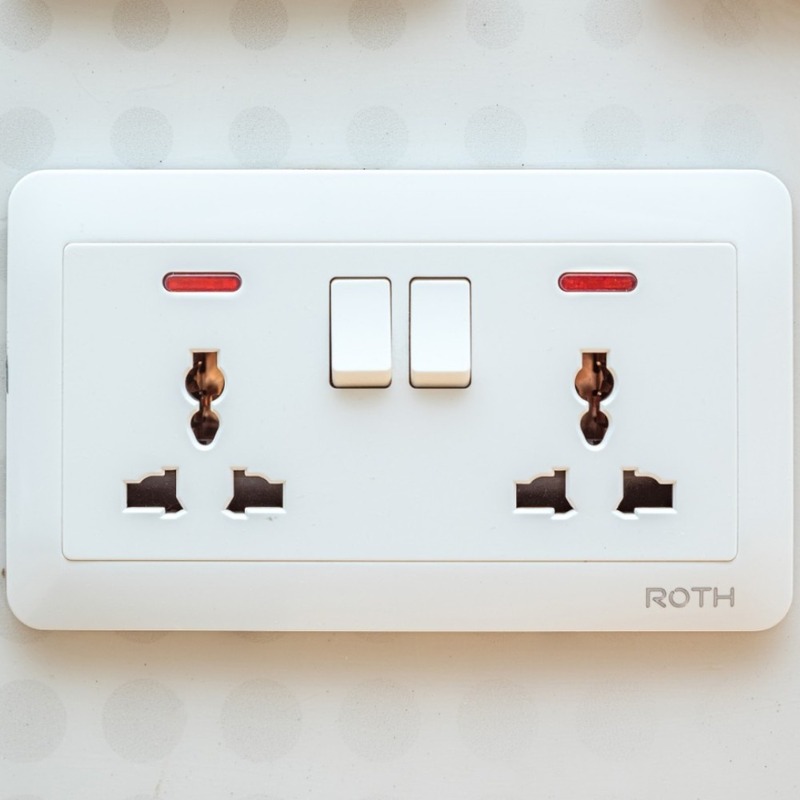
Modern homes are becoming smarter, safer, and more connected. From lighting and security systems to appliances and entertainment equipment, technology is changing how households manage everyday electrical devices. One of the simplest ways to introduce this convenience is by installing smart electrical sockets that allow users to control connected appliances, automate schedules, monitor energy use, and manage power more conveniently.
Unlike conventional sockets, smart sockets incorporate electronic controls that can connect to a home network or smart-home ecosystem. Depending on the model, users may be able to switch connected appliances on or off using a smartphone application, voice assistant, timer, or automated schedule.
However, smart electrical sockets should not be viewed simply as fashionable gadgets. They are electrical devices that must be correctly selected, installed, configured, and used according to their specifications. Load capacity, compatibility, wiring, earthing, installation quality, and environmental conditions all matter.
For homeowners planning a renovation, new build, rental upgrade, or smart-home project, understanding how these sockets work can help you decide where they provide genuine value and where a conventional electrical outlet remains the better choice.
What Are Smart Electrical Sockets?
Smart electrical sockets are connected power outlets that allow users to control or monitor electrical appliances through electronic controls, applications, schedules, or compatible smart-home systems. They combine the basic function of an electrical outlet with additional digital features.
A conventional socket provides electricity to an appliance when the appliance is plugged in.
A smart socket adds another layer of control.
Depending on its design, it may allow you to:
- Switch power remotely
- Create automatic schedules
- Control appliances through an app
- Integrate with compatible smart-home platforms
- Monitor energy consumption
- Create routines
- Receive notifications
- Control appliances using voice commands
The exact features vary considerably between products.
Some smart sockets are relatively simple and only provide remote switching. More advanced models may offer energy monitoring, scheduling, overload protection, or integration with wider home automation systems.
This means buyers should examine the product specifications instead of assuming every smart socket provides the same capabilities.
For a complete home electrical project, smart sockets should also be considered alongside conventional electrical fittings and other installation components.
Why Smart Electrical Sockets Are Becoming Popular
Smart sockets provide an accessible way to introduce automation without replacing every appliance in a home. Instead of purchasing a completely new smart appliance, homeowners can sometimes add smart control to an existing compatible device.
Consider a living room with a television, entertainment system, floor lamp, or decorative lighting.
Instead of manually switching each device on or off, compatible appliances can potentially be controlled through a smart socket.
The same concept can be useful in bedrooms, kitchens, home offices, and outdoor areas where suitable products are installed.
For many homeowners, the appeal is convenience.
For others, energy management is the bigger attraction.
A smart socket can help users understand when a connected device is consuming electricity and, on supported models, automatically disconnect power according to a schedule.
This can be particularly useful for devices that do not need to remain powered continuously.
Smart Sockets and Energy Management
One of the most useful smart-socket features is energy monitoring, which can provide information about how much electricity a connected appliance consumes. This information can help homeowners make more informed decisions about energy use.
Energy consumption can be difficult to understand when appliances are simply plugged into conventional outlets.
A smart socket with energy-monitoring capabilities can provide additional information through its application or interface.
For example, a homeowner may discover that a particular appliance consumes significantly more electricity than expected.
The information can then support practical decisions such as:
- Reducing unnecessary operating hours
- Creating schedules
- Turning equipment off when not required
- Identifying appliances with unusually high consumption
- Comparing usage patterns
However, energy monitoring should not be confused with guaranteed energy savings.
A smart socket can provide information and automation, but the actual savings depend on how the connected appliance is used.
The technology is most valuable when it changes behavior or prevents unnecessary operation.
Smart Sockets Can Improve Convenience
Remote control and automation can make everyday electrical management easier, especially for appliances that are frequently switched on and off.
Imagine arriving home after work and wanting a lamp or compatible appliance to switch on automatically.
A scheduled smart socket can potentially handle this without requiring manual operation.
Similarly, a user may schedule selected devices to switch off at a particular time.
This can be useful for:
- Lamps
- Entertainment equipment
- Certain kitchen appliances
- Home-office equipment
- Decorative lighting
- Selected chargers
- Other compatible devices
The important word is compatible.
Not every appliance should be connected to a smart socket simply because it has a plug.
The electrical rating of the socket must be appropriate for the appliance.
Smart Sockets for Home Offices
Smart sockets can be particularly useful in home offices by providing centralized control over selected equipment and helping users establish automatic shutdown routines.
Home offices can contain several electrical devices:
- Computers
- Monitors
- Printers
- Routers
- Desk lamps
- Speakers
- Phone chargers
- Networking equipment
Some devices need to remain powered continuously.
Others do not.
Smart sockets can help automate selected equipment where doing so is technically appropriate.
For example, a desk lamp could be scheduled to switch off after working hours.
A non-essential accessory could be disconnected overnight.
However, equipment such as networking devices or computers involved in critical processes should not be switched off automatically without considering the consequences.
Automation should support your routine rather than interfere with important equipment.
Smart Sockets in Bedrooms
Bedrooms can benefit from smart sockets through scheduled lighting, convenient appliance control, and reduced standby operation.
A smart socket can potentially control a bedside lamp or another compatible low-load device.
Instead of reaching for the switch at night, a user can establish an automated routine.
Parents may also use scheduling features to control selected lighting or entertainment equipment.
However, safety should remain the priority.
Do not use a smart socket as a substitute for appropriate electrical protection, and avoid connecting appliances that exceed its rated capacity.
Where a bedroom renovation involves new electrical installations, consider the complete electrical layout rather than adding smart sockets without a plan.
Smart Sockets in the Kitchen
Kitchen applications require particular attention to electrical load because many kitchen appliances consume substantial power. Smart sockets should only be used with appliances whose electrical requirements are within the socket’s specified limits.
Kitchen appliances can have significantly different power requirements.
A small lamp is very different from a kettle, heater, oven, microwave, or other high-power appliance.
Before connecting a device, check:
- Rated voltage
- Rated current
- Power consumption
- Socket capacity
- Appliance startup characteristics
- Manufacturer instructions
- Installation requirements
Do not assume that a smart socket can safely control every kitchen appliance.
High-power appliances may require dedicated circuits, appropriate switches, or other installation arrangements.
If you are unsure, consult a qualified electrician.
Smart Sockets and Home Safety
Smart sockets can add useful control features, but they do not eliminate electrical hazards. Proper installation, correct loading, quality components, and appropriate circuit protection remain essential.
A smart socket is still part of the electrical system.
It must therefore be treated with the same seriousness as any other electrical accessory.
Potential problems can arise when:
- The socket is overloaded
- Poor-quality products are used
- Wiring is incorrectly installed
- Earthing requirements are ignored
- The device is exposed to unsuitable environmental conditions
- The appliance exceeds the rated load
- Damaged cables or plugs are connected
A smart-home upgrade should never compromise basic electrical safety.
When planning electrical improvements, it is useful to source compatible and appropriate electrical supplies from a supplier that can help you understand the available options.
Installation Quality Matters
Even a high-quality smart socket can perform poorly or become unsafe if it is incorrectly installed. Fixed smart sockets should be installed by a qualified professional where electrical regulations and the complexity of the work require it.
Installation can involve working with mains electricity.
This is not the same as connecting a simple low-voltage electronic device.
A fixed smart socket may need to be connected to existing wiring, and its installation can involve live electrical conductors, earthing, neutral connections, back boxes, and circuit protection.
Some smart sockets require a neutral conductor while others may have different installation requirements.
Before purchasing, establish whether the product is compatible with your existing wiring.
If you are not qualified to carry out mains electrical installation, use a qualified electrician.
Wi-Fi Smart Sockets vs Other Smart Technologies
Not every smart socket uses the same communication technology. Wi-Fi, Bluetooth, Zigbee, Z-Wave, and other systems can have different advantages and requirements.
Wi-Fi smart sockets are popular because many homes already have wireless internet.
A Wi-Fi model may connect directly to a router and communicate with a smartphone application.
Other smart-home ecosystems use hubs or bridges.
For example, a homeowner may prefer a system based on a dedicated smart-home hub because it allows multiple devices to communicate using a common ecosystem.
When selecting a socket, consider:
- Existing smart-home equipment
- Wi-Fi coverage
- App compatibility
- Voice assistant compatibility
- Hub requirements
- Internet dependency
- Security updates
- Manufacturer support
Buying a smart socket without checking compatibility can lead to unnecessary frustration.
Smart Sockets and Voice Control
Compatible smart sockets can allow users to control connected appliances through supported voice assistants, making routine tasks more convenient.
Voice control can be particularly useful when the user is carrying something, sitting across the room, or following an established home automation routine.
For example, a compatible lamp could potentially be switched on using a voice command.
However, voice control is an optional convenience rather than a safety feature.
The underlying electrical installation still needs to be correct.
The socket must also remain within its specified electrical limits.
Scheduling Appliances With Smart Sockets
Scheduling is one of the simplest ways to use smart sockets because it allows selected appliances to operate according to predetermined times rather than being left on continuously.
A schedule might be useful for a decorative lamp that should switch on in the evening.
Another device might be scheduled to switch off at night.
This can reduce unnecessary operation and make the home feel more automated.
However, schedules should be used carefully.
Before scheduling an appliance, ask what happens if the power returns after an outage.
Also consider whether the appliance automatically restarts when power is restored.
The smart socket’s behavior and the appliance’s behavior should be compatible.
Standby Power and Smart Sockets
Smart sockets can help reduce unnecessary standby operation for selected appliances by disconnecting their power when they are not required.
Many electronic devices consume some electricity while connected to power even when they are not actively being used.
The amount varies considerably depending on the device.
A smart socket can potentially disconnect power from selected equipment during periods when it is not needed.
For example, entertainment equipment could be scheduled to switch off overnight.
However, some devices should remain powered.
Routers, security systems, medical equipment, refrigeration equipment, and other essential systems may require continuous operation.
Never automate an appliance without considering its purpose.
Smart Sockets for Rental Properties
Smart sockets can offer renters a relatively flexible way to introduce automation without carrying out major electrical modifications, although plug-in models and fixed installations have different requirements.
For tenants, plug-in smart sockets can be attractive because they can generally be removed when moving.
They may provide smart control for lamps, entertainment systems, or other suitable appliances.
Fixed wall-mounted smart sockets are different because installation can involve permanent electrical modifications.
Tenants should obtain appropriate permission before modifying fixed electrical installations.
Landlords planning property upgrades may also consider smart electrical accessories as part of a broader modernization strategy.
The goal should be to improve convenience without compromising reliability or maintainability.
Smart Sockets and Home Renovation
A renovation is an excellent opportunity to plan smart electrical features alongside conventional electrical infrastructure rather than adding them as an afterthought.
If you are renovating a home, consider where smart control would genuinely improve everyday life.
Potential locations include:
- Living rooms
- Bedrooms
- Home offices
- Kitchens
- Entertainment areas
- Outdoor spaces
- Utility rooms
The electrical layout should be designed around actual use.
Think about where furniture will be positioned and which appliances will be connected.
A good electrical plan can reduce the need for extension cables and adapters.
Other renovation materials may also be needed. Depending on the project, you may require adhesives for suitable applications, power tools for installation work, or other hardware products.
Smart Sockets and Extension Cables
A smart socket should not be treated as a universal replacement for a properly designed electrical installation. Overusing extension leads and multi-plug adapters can introduce unnecessary electrical risks.
Homeowners sometimes install smart plugs into extension boards to control several devices simultaneously.
This can be appropriate for certain low-load applications when the equipment is used within its rated capacity.
However, connecting multiple high-power appliances through one controlled outlet can result in overloading.
Where several appliances need dedicated power, the better solution may be to improve the fixed electrical installation.
A qualified electrician can assess the existing circuit and recommend an appropriate arrangement.
Choosing the Right Smart Socket
The right smart socket should match the appliance, electrical system, smart-home ecosystem, environment, and intended use.
Before purchasing, consider the following:
Electrical rating
Check the socket’s voltage and current ratings.
Appliance compatibility
Confirm that the connected appliance is suitable.
Connectivity
Check whether the socket uses Wi-Fi, Bluetooth, Zigbee, or another technology.
App support
Make sure the manufacturer’s application supports your phone and operating system.
Smart-home compatibility
Check whether it works with your preferred ecosystem.
Energy monitoring
If energy data is important, select a model with appropriate monitoring capabilities.
Physical design
Ensure that the smart socket does not obstruct adjacent outlets or interfere with plugs.
Safety features
Check for appropriate protective functions and manufacturer information.
Quality Matters More Than Features
A smart socket with dozens of digital features is not necessarily better than a simpler, well-made product. Electrical reliability and appropriate certification should remain more important than novelty features.
Consumers can easily become distracted by smartphone controls, colorful applications, voice commands, and automation options.
But the basic job remains electrical.
The device needs to safely deliver and control power.
Look for clear manufacturer information and products appropriate for the intended application.
Do not buy an unknown product solely because it is cheaper or has more features.
Electrical accessories are not an area where price should be the only deciding factor.
Protecting Smart Sockets From Moisture
Standard indoor smart sockets should not be exposed to water, excessive humidity, or unsuitable outdoor conditions unless the product is specifically designed and rated for that environment.
Bathrooms, outdoor areas, kitchens, balconies, and utility spaces can have environmental conditions that differ from bedrooms or living rooms.
Before installing a smart electrical accessory in such an area, check the product’s environmental rating and installation requirements.
A product designed for indoor dry environments should not automatically be used outside.
Where specialist electrical accessories are required, consult a qualified electrician and follow the manufacturer’s instructions.
Maintenance of Smart Electrical Sockets
Smart sockets require both electrical and digital maintenance. Keeping the device clean, checking for physical damage, updating supported software, and monitoring unusual behavior can help maintain reliable operation.
Physical inspection is important.
Look for:
- Cracks
- Discoloration
- Burning smells
- Loose fittings
- Excessive heat
- Damaged cables
- Unusual noises
If a socket becomes excessively hot or shows signs of burning, disconnect the relevant equipment if safe to do so and have the installation inspected.
For connected smart devices, software updates may also be important.
Manufacturers sometimes release updates to improve performance, compatibility, or security.
Smart Sockets and Cybersecurity
Connected electrical devices can introduce digital security considerations alongside conventional electrical risks. Homeowners should use reputable manufacturers, secure networks, strong account credentials, and supported software.
A Wi-Fi smart socket is a network-connected device.
That means it may interact with your home router, smartphone, and cloud or local smart-home systems.
Use strong passwords and keep the associated application updated.
Where possible, purchase products from established manufacturers that provide ongoing software support.
Avoid treating cybersecurity as separate from smart-home planning.
A connected electrical device needs both physical and digital protection.
Are Smart Sockets Worth the Investment?
Smart sockets can be worthwhile when their automation, convenience, or monitoring features solve a genuine household problem. They are less valuable when installed simply because smart technology is fashionable.
Before purchasing, ask yourself:
- Which appliance will I control?
- How often will automation be useful?
- Do I need energy monitoring?
- Is remote control important?
- Does the socket support my smart-home system?
- Is the appliance compatible?
- Is the electrical circuit suitable?
- Would a conventional switch solve the problem more simply?
These questions help prevent unnecessary spending.
A smart socket should serve a purpose.
If a conventional switch provides everything you need, upgrading may not be necessary.
Smart Electrical Sockets and Property Value
Smart electrical accessories can contribute to the modern appeal of a property, especially when integrated thoughtfully into a broader electrical and home-automation strategy.
Modern buyers increasingly appreciate convenience, connectivity, and efficient home management.
However, smart devices should complement rather than replace sound construction.
A home with quality electrical wiring, appropriate sockets, good lighting, reliable plumbing, durable finishes, and proper maintenance will generally provide a stronger foundation than a property filled with poorly installed gadgets.
Smart technology is most valuable when it is integrated into a well-designed home.
For renovation and finishing projects, you can also explore sanitary ware and other building products as part of a broader home upgrade.
Common Smart Socket Mistakes
Many problems with smart sockets result from choosing incompatible devices, exceeding electrical ratings, ignoring installation requirements, or prioritizing features over safety.
Common mistakes include:
Overloading the socket
Never exceed the manufacturer’s specified capacity.
Connecting unsuitable appliances
High-power equipment may require a dedicated electrical solution.
Ignoring compatibility
Check whether the smart socket works with your preferred ecosystem.
Installing fixed sockets without appropriate expertise
Mains electrical installation should be handled by qualified professionals where required.
Buying purely on price
Cheap electrical accessories may not provide the desired reliability or support.
Ignoring software updates
Connected devices should remain supported and updated.
Using indoor products outdoors
Check environmental ratings before installation.
Avoiding these mistakes can make your smart-home upgrade more reliable and practical.
Planning a Smart Electrical Upgrade
The best smart-home upgrades begin with a plan. Identify the appliances you want to control, determine the electrical requirements, select compatible products, and install them correctly.
Start with the rooms where automation would provide the greatest benefit.
For example:
Living room: lighting, entertainment equipment, selected appliances.
Bedroom: bedside lamps and selected devices.
Home office: lighting and non-critical equipment.
Kitchen: only compatible appliances within the socket’s rating.
Outdoor areas: only products specifically rated for the environment.
This approach prevents unnecessary purchases.
It also helps ensure that the electrical installation remains organized.
Smart Technology Should Complement Good Electrical Design
Smart sockets are most effective when they are incorporated into a properly designed electrical system. Digital convenience should never come at the expense of electrical safety, reliability, or maintainability.
A modern home should have adequate outlets in appropriate locations.
Circuits should be correctly designed.
Electrical accessories should be suitable for their environment.
Protective devices should be correctly selected.
Earthing and other electrical safety requirements should be properly addressed.
Smart technology can then be added on top of this foundation.
The result is a home that is not simply more connected but also practical and dependable.
Final Thoughts
Smart electrical sockets offer a straightforward way to introduce automation, remote control, scheduling, and energy monitoring into a modern home. Their benefits are greatest when the products are correctly selected, properly installed, and used within their electrical ratings.
The move toward smart homes does not mean that traditional electrical principles no longer matter.
In fact, the opposite is true.
The more connected a home becomes, the more important it is to have reliable electrical infrastructure underneath the technology.
When choosing smart electrical sockets, consider the appliance, electrical load, connectivity, compatibility, safety features, installation requirements, and manufacturer support.
Do not purchase based solely on the number of features or the lowest price.
For fixed installations, use a qualified electrician where required.
For plug-in models, follow the manufacturer’s instructions and never exceed the rated capacity.
And remember that smart technology is most useful when it solves a real problem.
Whether you want to automate lighting, manage selected appliances, monitor energy use, or make your home more convenient, the right smart electrical accessories can become a valuable part of a well-planned home upgrade.
For homeowners planning electrical improvements in Ngong and surrounding areas, selecting suitable electrical products from a reliable supplier is an important first step toward creating a safer, more functional, and better-connected home.
Your One-Stop Hardware Partner in Ngong
Imagine completing your project with the right tools, the best materials, and expert advice. At Ngong Hills Merchants, we turn your DIY or construction vision into reality with a complete selection of plumbing, electrical, glass, and sanitary ware.
Contact our team for a consultation and get the right supplies, right now.
QUALITY HARDWARE & SUPPLIES IN NGONG ✔ Complete Range of Plumbing & Electrical ✔ Power Tools, Adhesives & Paints ✔ Glass, Framing & Sanitary Ware ✔ Serving Ngong, Karen, Matasia, Kiserian & beyond.
Request Your Free Consultation: Ngong Hills Merchants
Email: ngonghillsmerchants [at] gmail.com
Phone: +254 715974811
Visit Us: Ngong Township, Ngong, Kenya
Website: https://ngonghillsmerchants.com/