
Steel Gate Fabrication Materials and Consumables: Complete Material List for Kenya
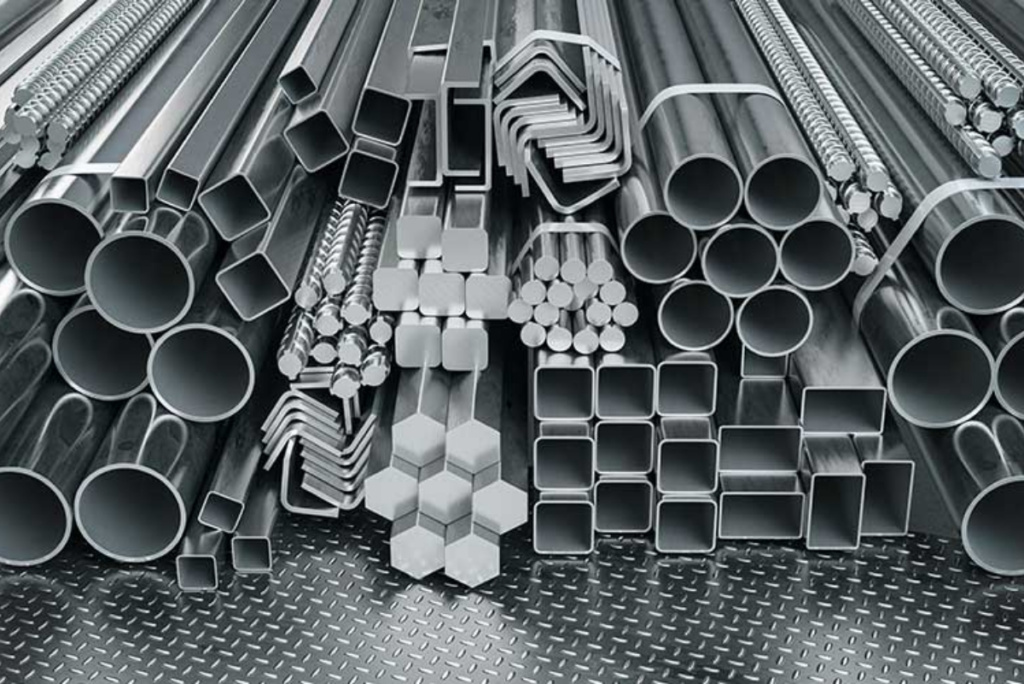
The right steel gate materials Kenya fabricators need depend on the gate size, design, steel profile, opening mechanism, security requirements and desired finish. A simple pedestrian gate requires fewer materials than a large double-leaf vehicle gate, while sliding and automated gates require additional hardware and components.
A professional gate fabrication list should therefore cover more than the visible steel frame. The complete project may require steel sections, infill materials, hinges, locks, welding electrodes, cutting discs, grinding discs, drill bits, primer, paint, measuring equipment and other consumables.
This guide provides a practical material list for fabricating steel gates in Kenya, explains what each material does and shows how to calculate quantities before purchasing.
Whether you are fabricating a pedestrian gate, compound gate, driveway gate, sliding gate or decorative steel gate, understanding the required steel gate materials Kenya suppliers provide can help reduce waste, control costs and prevent delays.
Steel Gate Materials Kenya: What Goes Into a Complete Gate?
Steel gate materials Kenya projects require normally fall into five groups: structural steel, gate hardware, welding and cutting consumables, surface-protection materials and finishing materials. A complete material schedule should account for all five.
A typical gate fabrication project can require:
- Steel box sections.
- Angle bars.
- Flat bars.
- Round bars.
- Square bars.
- Steel plates.
- Expanded metal or mesh.
- Decorative steel components.
- Hinges.
- Locking mechanisms.
- Bolts and nuts.
- Welding electrodes.
- Cutting discs.
- Grinding discs.
- Drill bits.
- Primer.
- Topcoat paint.
- Thinners where specified.
- Measuring tools.
- Welding accessories.
The exact list changes according to the design.
A good fabricator should prepare the cutting list before purchasing the steel.
Steel Gate Materials Kenya: Steel Sections
Steel sections form the primary structure of most fabricated gates, creating the outer frame, internal supports, rails and other structural members. The selected section should be appropriate for the gate dimensions and loading conditions.
Common sections include:
Rectangular hollow sections
Rectangular hollow sections are widely used for:
- Outer gate frames.
- Horizontal rails.
- Vertical members.
- Internal framing.
Their closed profile can provide useful stiffness while maintaining a relatively clean appearance.
Square hollow sections
Square sections can be used for:
- Gate frames.
- Vertical supports.
- Decorative designs.
- Internal bracing.
Angle bars
Angle sections can be useful for:
- Frames.
- Reinforcement.
- Mounting brackets.
- Supporting panels.
Flat bars
Flat steel can be used for:
- Decorative patterns.
- Straps.
- Reinforcement.
- Lock brackets.
- Hinge plates.
The correct section depends on the gate design and structural requirements.
Steel Gate Materials Kenya: Gate Frame
The outer frame provides the basic shape and stiffness of the gate. Its dimensions and section size should be selected according to the opening, gate weight and intended use.
For a rectangular gate, the frame normally consists of:
- Two vertical stiles.
- Top rail.
- Bottom rail.
Additional internal rails may be added depending on the design.
For a double-leaf gate, each leaf has its own frame.
For example, a 4 m wide double gate could be divided into two approximately 2 m leaves, subject to the actual design and hinge arrangement.
The frame must be accurately fabricated because errors at this stage can affect:
- Alignment.
- Hinges.
- Lock operation.
- Ground clearance.
- Final appearance.
Steel Gate Materials Kenya: Internal Rails and Supports
Internal rails provide additional stiffness and support for infill materials or decorative elements. Their number depends on gate height, width, design and infill type.
Internal members may be installed:
- Horizontally.
- Vertically.
- Diagonally.
A gate with sheet-metal infill may require a different framing arrangement from an open decorative gate.
Heavy gates may also require additional reinforcement around:
- Hinges.
- Locks.
- Motor brackets.
- Latch points.
These requirements should be included in the gate fabrication list before steel is ordered.
Steel Gate Materials Kenya: Gate Infill
The infill determines much of the gate’s appearance and can influence weight, privacy and security. The appropriate material depends on whether the gate is intended to be open, semi-private or fully enclosed.
Common options include:
- Steel bars.
- Flat bars.
- Square bars.
- Round bars.
- Expanded metal.
- Welded mesh.
- Steel sheet.
- Decorative panels.
Open-bar gates
These allow visibility and airflow.
Semi-private gates
These can use patterned steelwork, mesh or partial sheet sections.
Solid gates
These provide greater visual privacy but can increase:
- Weight.
- Wind loading.
- Hinge requirements.
The choice of infill is therefore an important part of selecting steel gate materials Kenya fabricators will use.
Steel Gate Materials Kenya: Steel Plate
Steel plate can provide reinforcement around hinges, locks, brackets and other high-stress areas. Small plates can make a significant difference to the strength and serviceability of a fabricated gate.
Steel plates may be used for:
- Hinge mounting.
- Lock mounting.
- Motor mounting.
- Reinforcing corners.
- Brackets.
- Base plates.
The thickness and dimensions should suit the application.
Do not add reinforcement randomly. The plate should be positioned where it provides useful structural support.
Steel Gate Materials Kenya: Hinges
Gate hinges transfer the weight of the gate leaf to the supporting structure and allow controlled movement. Their capacity should be appropriate for the finished gate weight and dimensions.
A hinge system may include:
- Weld-on hinges.
- Adjustable hinges.
- Heavy-duty hinges.
- Pivot hinges.
- Bearing-supported hinges.
Large steel gates can become surprisingly heavy.
The hinge selection should therefore consider:
- Gate weight.
- Gate height.
- Gate width.
- Opening frequency.
- Exposure.
- Number of hinges.
- Support-post strength.
A common mistake is purchasing a strong-looking hinge while using an undersized gate post.
The complete system must be considered.
Steel Gate Materials Kenya: Gate Locks
The locking mechanism should match the gate’s purpose and operating arrangement. Pedestrian gates, swing gates and sliding gates can require different locking solutions.
Possible options include:
- Mortice-style gate locks.
- Surface-mounted locks.
- Deadbolts.
- Latches.
- Padlock hasps.
- Drop bolts.
- Electric locks.
For double-leaf gates, coordination between the two leaves is particularly important.
A drop bolt may be used to secure one leaf to the ground while the other leaf carries the primary locking mechanism.
Steel Gate Materials Kenya: Drop Bolts
Drop bolts provide a simple way to secure one side of a double gate, particularly where the two leaves meet at the centre.
A drop bolt can be installed:
- Vertically into the ground.
- Into a receiving sleeve.
- Into a suitable threshold arrangement.
The receiving point should be accurately positioned.
If it is incorrectly aligned, the gate may become difficult to operate.
Steel Gate Materials Kenya: Bolts and Nuts
Bolts and nuts are useful for removable hardware, brackets, hinges, locks and other connections where welding is not the preferred method.
Possible requirements include:
- Hex bolts.
- Nuts.
- Washers.
- Anchor bolts.
- Coach bolts.
- Threaded fasteners.
The fastener specification should match the load and exposure conditions.
You can browse bolts and nuts for fabrication projects when preparing your material schedule.
Steel Gate Materials Kenya: Welding Electrodes
Welding electrodes are essential consumables for many steel gate fabrication projects, and the correct electrode depends on the welding process, steel type, thickness and welding equipment.
For conventional manual metal arc welding, electrodes are commonly selected according to:
- Electrode classification.
- Diameter.
- Steel thickness.
- Welding position.
- Machine output.
Common electrode sizes used in general fabrication may include:
- 2.5 mm.
- 3.2 mm.
- 4.0 mm.
The exact choice should follow the welding procedure and equipment requirements.
When preparing the welding materials gate list, calculate electrode consumption according to the amount and type of welding rather than purchasing an arbitrary quantity.
Steel Gate Materials Kenya: Welding Machine
A suitable welding machine provides the heat required to create the welded joints between steel components. Machine capacity should match the electrode sizes and thicknesses being welded.
Before starting fabrication, check:
- Machine output.
- Power supply.
- Electrode compatibility.
- Duty cycle.
- Cable condition.
- Earth clamp.
- Electrode holder.
The welding area should also have appropriate ventilation and safe working conditions.
Steel Gate Materials Kenya: Cutting Discs
Cutting discs are consumables used to cut steel sections, flat bars, plates and other components to the required dimensions. The correct disc should be compatible with the angle grinder and material being cut.
A fabrication workshop may require several discs because gate construction involves multiple cuts.
Cutting discs should be selected based on:
- Diameter.
- Disc thickness.
- Material compatibility.
- Grinder rating.
Never use a damaged or visibly compromised cutting disc.
When preparing steel gate materials Kenya requirements, cutting discs should be treated as consumables rather than reusable tools.
Steel Gate Materials Kenya: Grinding Discs
Grinding discs help remove excess weld material, smooth rough edges and prepare steel surfaces before finishing. They are particularly useful during gate fabrication and finishing.
Grinding may be required for:
- Weld smoothing.
- Edge preparation.
- Removing burrs.
- Cleaning joints.
- Preparing surfaces.
Grinding should not unnecessarily remove structural weld material.
The fabricator should distinguish between:
- Removing excessive weld.
- Properly dressing a visible weld.
- Accidentally weakening a joint.
Steel Gate Materials Kenya: Flap Discs
Flap discs can provide smoother surface preparation than aggressive grinding discs and are useful when preparing steel for painting.
They can help with:
- Smoothing welds.
- Removing surface contamination.
- Blending transitions.
- Preparing areas for primer.
The correct abrasive grade depends on the desired finish.
Steel Gate Materials Kenya: Drill Bits
Drill bits are required when gate fabrication involves drilled holes for locks, bolts, hinges, brackets or other hardware. Metal-cutting drill bits should be selected according to the steel thickness and hole diameter.
The workshop may require several sizes.
For accurate drilling:
- Mark the hole.
- Centre punch the location.
- Start with an appropriate pilot hole where necessary.
- Enlarge to the required diameter.
- Deburr the hole.
You can browse drill bits and related tools when preparing your fabrication equipment list.
Steel Gate Materials Kenya: Measuring Equipment
Accurate measurement is one of the most important parts of gate fabrication because small dimensional errors can affect alignment, clearances and installation.
Useful equipment includes:
- Tape measure.
- Steel rule.
- Combination square.
- Spirit level.
- Straight edge.
- Marking chalk.
- Scriber.
- Marker.
For larger gates, diagonal measurements are particularly important.
A rectangular frame should have matching diagonals when correctly squared.
Steel Gate Materials Kenya: Power Tools
Power tools improve cutting, drilling, grinding and finishing efficiency, particularly in professional fabrication workshops.
Common tools include:
- Angle grinder.
- Cut-off grinder.
- Drill.
- Impact driver.
- Metal-cutting saw.
- Welding machine.
You can explore power tools for fabrication work when preparing a workshop equipment list.
Steel Gate Materials Kenya: Primer
Primer provides the first protective coating over prepared steel and forms the foundation for the final paint system. Bare steel should be prepared appropriately before primer application.
A suitable metal primer can help protect against:
- Corrosion.
- Moisture exposure.
- Surface deterioration.
Before priming:
- Remove loose rust.
- Remove mill scale or contamination where necessary.
- Grind rough welds where appropriate.
- Clean dust.
- Degrease the surface.
- Apply primer according to manufacturer instructions.
Primer selection should match the intended topcoat system.
Steel Gate Materials Kenya: Anti-Rust Protection
Corrosion protection is essential for outdoor steel gates because the gate is continuously exposed to moisture, humidity and environmental contaminants.
Protection may involve:
- Appropriate primer.
- Protective topcoat.
- Galvanising.
- Zinc-rich systems.
- Properly sealed joints.
- Regular maintenance.
The best approach depends on the gate location and specification.
Gates exposed to coastal or highly humid environments may require additional corrosion considerations.
Steel Gate Materials Kenya: Paint
The topcoat provides the final appearance while contributing another layer of protection against weather and corrosion.
Possible finishing systems include:
- Enamel paint.
- Exterior metal paint.
- Polyurethane systems.
- Other specified protective coatings.
The selected paint should be compatible with the primer.
Applying an incompatible topcoat can result in:
- Peeling.
- Cracking.
- Poor adhesion.
- Premature deterioration.
Always follow the coating manufacturer’s instructions.
Steel Gate Materials Kenya: Thinner and Cleaning Materials
Solvents or thinners may be required for specific coating systems, but they should only be used according to the paint manufacturer’s instructions.
A fabrication material list may also include:
- Degreaser.
- Cleaning cloths.
- Brushes.
- Rollers.
- Spray equipment where appropriate.
- Mixing containers.
Surface cleanliness is critical before painting.
A beautifully fabricated gate can still develop coating problems if the steel was poorly prepared.
Steel Gate Materials Kenya: Welding Anti-Spatter and Cleaning
Welding produces spatter and residue that should be removed or controlled before painting. Proper cleaning contributes to a better final finish.
Fabricators may use:
- Chipping hammer.
- Wire brush.
- Grinding tools.
- Appropriate cleaning products.
The gate should be inspected after welding for:
- Porosity.
- Cracks.
- Incomplete fusion.
- Excessive spatter.
- Sharp edges.
Steel Gate Materials Kenya: A Sample Material List
A sample gate fabrication list provides a useful starting point, but quantities should always be recalculated from the actual gate dimensions and design.
Consider a hypothetical double-leaf gate measuring approximately:
4,000 mm wide × 2,100 mm high
A preliminary material schedule could include:
| Material | Purpose |
|---|---|
| Rectangular hollow section | Main outer frame |
| Square hollow section | Internal rails |
| Flat bar | Decorative/reinforcing work |
| Steel plate | Hinge and lock reinforcement |
| Steel infill | Privacy or decorative panel |
| Hinges | Gate movement |
| Lock | Security |
| Drop bolt | Secondary leaf securing |
| Bolts and nuts | Hardware installation |
| Welding electrodes | Joint fabrication |
| Cutting discs | Steel cutting |
| Grinding discs | Weld dressing |
| Drill bits | Hardware holes |
| Metal primer | Corrosion protection |
| Topcoat | Final protection and appearance |
| Cleaning materials | Surface preparation |
This is a gate fabrication list, not a fixed bill of quantities.
The actual quantities depend on the approved fabrication drawing.
Steel Gate Materials Kenya: How to Calculate Steel Quantity
Steel quantity should be calculated from the cutting list, with each section measured according to the fabrication drawing. Adding all required lengths gives the basic steel requirement before accounting for standard stock lengths and cutting waste.
For example, suppose a gate frame requires:
Two verticals:
2 × 2.1 m = 4.2 m
Top and bottom rails:
2 × 2 m = 4 m
Total basic frame:
8.2 m
If additional internal rails require another:
4 m
Total:
12.2 m
The actual purchasing quantity must then be converted into available stock lengths.
If steel is sold in 6 m lengths, the fabricator must determine the most efficient cutting arrangement.
This is where a proper cutting list can reduce waste.
Steel Gate Materials Kenya: Cutting List Example
A cutting list converts the gate drawing into practical fabrication dimensions and helps determine how many stock lengths need to be purchased.
For one gate leaf, an example could look like:
| Component | Quantity | Length |
|---|---|---|
| Vertical frame | 2 | 2.1 m |
| Top rail | 1 | 2.0 m |
| Bottom rail | 1 | 2.0 m |
| Internal rail | 2 | 1.9 m |
| Decorative member | 4 | As designed |
| Hinge plate | 2 | As designed |
The fabricator should then arrange these lengths against standard steel stock lengths.
This is more accurate than estimating steel by eye.
Steel Gate Materials Kenya: Calculating Welding Consumables
Welding consumable requirements depend on joint count, weld length, steel thickness, electrode diameter and welding technique.
A small gate may use relatively few electrodes.
A heavily reinforced gate can require substantially more.
It is good practice to keep a reasonable workshop allowance for:
- Tack welds.
- Final welds.
- Repairs.
- Rework.
- Reinforcement.
However, excessive purchasing can create unnecessary stock.
The best approach is to estimate consumption from the fabrication drawing and previous workshop experience.
Steel Gate Materials Kenya: Fabrication Sequence
A logical fabrication sequence improves accuracy and reduces rework. The gate should be measured, cut, squared, temporarily assembled, welded, ground, checked and finished systematically.
A typical sequence is:
Step 1: Confirm dimensions
Verify the opening and fabrication drawing.
Step 2: Prepare the cutting list
List every steel component.
Step 3: Cut the steel
Cut sections according to the approved dimensions.
Step 4: Prepare joints
Clean and prepare the surfaces.
Step 5: Assemble the frame
Place the components on a flat working surface.
Step 6: Check square
Measure both diagonals.
Step 7: Tack weld
Secure the components temporarily.
Step 8: Recheck dimensions
Correct any movement before final welding.
Step 9: Complete welding
Weld according to the required sequence.
Step 10: Install internal components
Add rails, infill and reinforcement.
Step 11: Install hardware
Fit hinges, locks and brackets.
Step 12: Grind and prepare
Dress appropriate welds and clean surfaces.
Step 13: Prime
Apply the appropriate corrosion-protection system.
Step 14: Paint
Apply the specified topcoat.
Step 15: Inspect
Check dimensions, alignment, welds, finish and hardware operation.
Steel Gate Materials Kenya: Why Squaring Matters
A gate frame that is not square can cause major problems during installation, including uneven gaps, difficult hinge alignment and poor lock operation. Diagonal measurement is a simple way to check squareness.
For a rectangular frame:
Diagonal 1 should approximately equal Diagonal 2.
If the measurements differ significantly, the frame needs adjustment before final welding.
This is particularly important for double gates because both leaves must align correctly.
Steel Gate Materials Kenya: Welding Distortion
Heat from welding can cause steel to move or distort, particularly when long sections are welded without a controlled sequence. Fabricators should manage heat input and welding sequence to maintain alignment.
Helpful practices include:
- Tack welding first.
- Checking diagonals.
- Welding opposite sides progressively.
- Avoiding excessive heat concentration.
- Allowing appropriate cooling.
- Rechecking dimensions.
A gate that is perfectly square before welding can move during final welding.
Steel Gate Materials Kenya: Gate Post Requirements
A strong gate can still perform poorly if the supporting posts are inadequate. Gate posts must be designed to carry the gate weight and resist movement during repeated operation.
The post should account for:
- Gate weight.
- Gate width.
- Hinge arrangement.
- Ground conditions.
- Wind exposure.
- Opening frequency.
For large gates, the post and foundation deserve as much attention as the gate itself.
Steel Gate Materials Kenya: Sliding Gate Materials
Sliding gates require additional components because the gate moves horizontally rather than rotating around hinges. The material list therefore includes track and rolling hardware.
A sliding gate may require:
- Gate frame.
- Infill.
- Guide rollers.
- Bottom rollers.
- Track.
- End stops.
- Guide brackets.
- Locking system.
- Motor components for automation.
The actual system depends on whether the gate is:
- Manually operated.
- Automated.
- Cantilevered.
A sliding gate should therefore have a separate material schedule from a conventional swing gate.
Steel Gate Materials Kenya: Automated Gate Preparation
Automated gates require additional structural and electrical provisions that should be considered before fabrication begins. Early planning prevents expensive modifications after painting and installation.
Depending on the automation system, provisions may be required for:
- Motor brackets.
- Cable routes.
- Limit mechanisms.
- Control equipment.
- Safety sensors.
- Access controls.
- Power supply.
For automated gates, coordinate the fabricator and gate-automation installer before final fabrication.
Steel Gate Materials Kenya: Surface Preparation Before Painting
Proper surface preparation is one of the most important steps in achieving a durable painted gate. Paint should not be applied over loose rust, grease, dirt or poorly prepared weld areas.
Before painting:
- Remove loose contaminants.
- Grind sharp edges.
- Dress appropriate welds.
- Remove grinding dust.
- Degrease where required.
- Ensure the surface is dry.
- Apply the specified primer.
If the preparation is poor, even a high-quality paint can fail prematurely.
Steel Gate Materials Kenya: Material Storage
Steel and finishing materials should be stored correctly before fabrication to prevent rust, contamination and damage.
Steel should ideally be:
- Kept off the ground.
- Protected from standing water.
- Stored on supports.
- Kept reasonably clean.
Paint and coatings should be stored according to manufacturer requirements.
Welding electrodes should also be stored appropriately, particularly where electrode moisture control is important for the selected welding procedure.
Steel Gate Materials Kenya: Common Procurement Mistakes
Many gate fabrication problems begin during material purchasing rather than fabrication. Incorrect sections, insufficient consumables or incompatible coatings can delay the project and increase costs.
Avoid:
- Buying steel without a cutting list.
- Forgetting hinge reinforcement.
- Underestimating welding consumables.
- Buying unsuitable cutting discs.
- Using incompatible primer and topcoat.
- Forgetting lock hardware.
- Ignoring gate-post requirements.
- Ordering too little paint.
- Failing to account for cutting waste.
A detailed steel gate materials Kenya checklist can prevent most of these problems.
Steel Gate Materials Kenya: Complete Procurement Checklist
Before fabrication begins, use a complete checklist covering steel, hardware, welding consumables, tools and finishing products. This helps ensure that the fabrication workshop has everything required before work starts.
Structural steel
- Hollow sections.
- Angle bars.
- Flat bars.
- Round bars.
- Steel plates.
- Mesh or sheet infill.
Gate hardware
- Hinges.
- Locks.
- Drop bolts.
- Latches.
- Bolts.
- Nuts.
- Washers.
- Brackets.
Welding consumables
- Welding electrodes.
- Cutting discs.
- Grinding discs.
- Flap discs.
- Wire brushes.
Tools
- Welding machine.
- Angle grinder.
- Drill.
- Drill bits.
- Measuring tape.
- Square.
- Spirit level.
- Clamps.
You can explore additional fabrication and workshop supplies when completing your procurement list.
Finishing materials
- Metal primer.
- Topcoat.
- Appropriate thinner.
- Cleaning materials.
- Brushes or rollers.
Steel Gate Materials Kenya: How to Control Fabrication Costs
The most effective way to control gate fabrication costs is to prepare an accurate cutting list, optimise stock lengths and purchase the complete set of materials before fabrication begins.
Cost control can include:
- Accurate measurement.
- Efficient steel cutting.
- Minimising unnecessary decorative elements.
- Comparing steel suppliers.
- Purchasing appropriate stock lengths.
- Avoiding excessive waste.
- Selecting hardware based on actual requirements.
- Using compatible coatings.
Do not reduce structural steel dimensions simply to save money without confirming that the resulting gate remains appropriate for its intended use.
Steel Gate Materials Kenya: Final Material Planning Guide
A complete gate fabrication project requires more than steel sections. A reliable material list includes the frame, infill, reinforcement, hinges, locks, welding consumables, cutting and grinding products, drilling accessories, primer and topcoat.
For a straightforward gate, begin with the fabrication drawing.
Then prepare:
1. Steel cutting list
2. Hardware schedule
3. Welding consumable list
4. Surface preparation list
5. Painting schedule
6. Installation requirements
This approach provides a much more accurate steel gate materials Kenya procurement plan.
It also makes it easier to compare quotations from different fabricators.
Steel Gate Materials Kenya: Final Takeaway
The best steel gate fabrication material list accounts for every stage of the project, from cutting the first steel section to installing the finished gate. Proper planning reduces waste, improves fabrication accuracy and helps control the final cost.
For most fabricated steel gates, the core material list includes:
- Hollow steel sections.
- Flat bars or other decorative sections.
- Steel plates.
- Infill materials.
- Hinges.
- Locks.
- Drop bolts.
- Bolts and nuts.
- Welding electrodes.
- Cutting discs.
- Grinding discs.
- Drill bits.
- Primer.
- Topcoat.
- Cleaning materials.
The exact quantities should always be based on the gate’s approved dimensions and fabrication drawing.
A 3 m pedestrian gate, a 4 m double-leaf driveway gate and a large sliding gate can have very different material requirements. Treating them as identical projects is likely to produce either shortages or unnecessary material waste.
The fabricator should therefore measure the opening, confirm the gate design, prepare a cutting list and calculate the steel requirement before purchasing.
For hardware, make sure the hinges, locks and supporting posts are appropriate for the completed gate weight.
For finishing, remember that surface preparation is just as important as the paint itself. A properly fabricated gate can deteriorate quickly if rust, grease or contamination is trapped underneath the coating.
Finally, keep a small quantity of suitable touch-up paint and spare hardware where practical. Routine maintenance can extend the useful life of an outdoor steel gate and keep it looking presentable.
For projects around Ngong and surrounding areas, careful material planning makes it easier to source the steel, fasteners, tools, adhesives, electrical components and other hardware required for construction and fabrication. You can also view the wider range of hardware and project supplies available from Ngong Hills Merchants.
Your One-Stop Hardware Partner in Ngong
Imagine completing your project with the right tools, the best materials, and expert advice. At Ngong Hills Merchants, we turn your DIY or construction vision into reality with a complete selection of plumbing, electrical, glass, and sanitary ware.
Contact our team for a consultation and get the right supplies, right now.
QUALITY HARDWARE & SUPPLIES IN NGONG ✔ Complete Range of Plumbing & Electrical ✔ Power Tools, Adhesives & Paints ✔ Glass, Framing & Sanitary Ware ✔ Serving Ngong, Karen, Matasia, Kiserian & beyond.
Request Your Free Consultation: Ngong Hills Merchants
Email: ngonghillsmerchants [at] gmail.com
Phone: +254 715974811
Visit Us: Ngong Township, Ngong, Kenya
Website: https://ngonghillsmerchants.com/