
Energy Efficient Glass in Kenya: Smart Glazing Solutions That Cut Building Costs
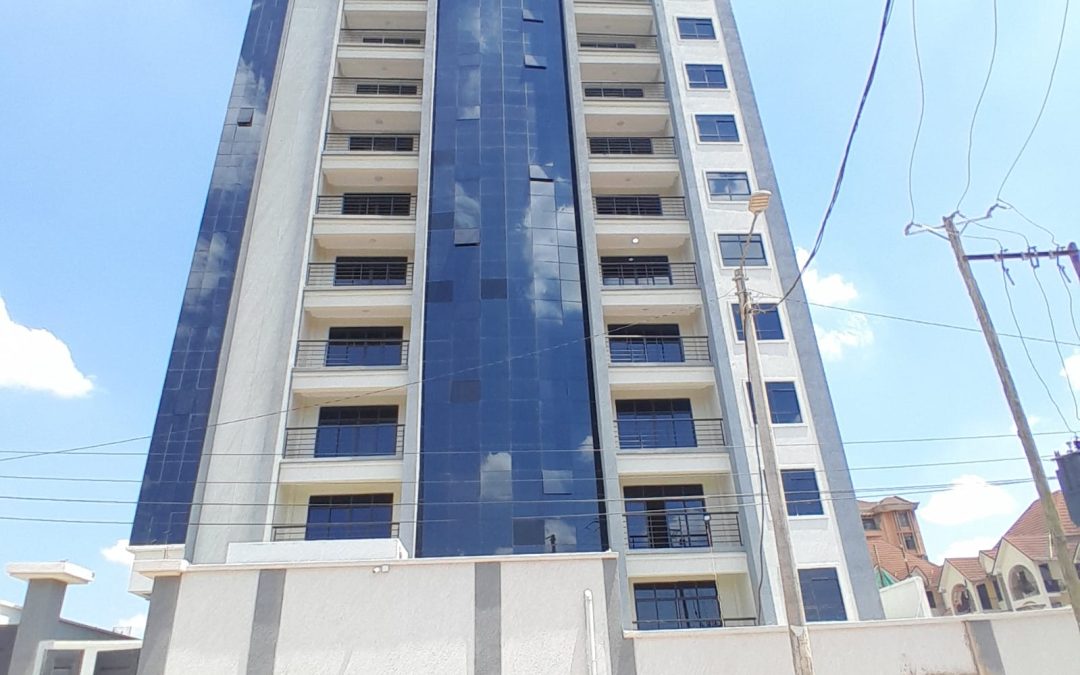
Energy Efficient Glass in Kenya: Smart Glazing Solutions That Cut Building Costs
The demand for Energy Efficient Glass in Kenya is growing rapidly as developers, architects, and homeowners look for smarter ways to reduce energy consumption and improve indoor comfort. With rising electricity costs and increasing heat levels in urban areas like Nairobi, Ngong, and other fast-developing towns, energy-efficient glazing has become a key feature in modern construction.
Unlike standard glass, energy-efficient glazing is engineered to regulate heat transfer while still allowing natural light into buildings. This helps maintain cooler indoor temperatures during hot weather and improves overall building performance throughout the year.
At Ngong Hills Merchants, we support modern construction with a wide range of glazing and finishing solutions. You can explore related materials through our glass product category, which includes architectural and performance-focused glass options for residential and commercial projects.
Energy Efficient Glass in Kenya: How Smart Glazing Works
Understanding Energy Efficient Glass in Kenya starts with how the technology is designed. These glass systems use special coatings and multiple layers to control how heat and light enter a building.
Low-emissivity coatings reflect infrared heat while still allowing visible light to pass through. This means interiors stay bright without excessive heat buildup. Double glazing and insulated glass units add another layer of thermal protection by trapping air or gas between glass panes, reducing heat transfer.
Together, these technologies create a balanced indoor environment that is both energy efficient and comfortable.
Energy Efficient Glass in Kenya: Smart Glazing Solutions That Cut Building Costs
One of the biggest advantages of Energy Efficient Glass in Kenya is its ability to reduce long-term building operating costs. By minimizing heat gain, buildings require less air conditioning, which directly lowers electricity consumption.
In commercial spaces such as offices, malls, and hotels, this can lead to significant monthly savings. In residential homes, it improves comfort while reducing reliance on cooling systems.
Although the initial installation cost is higher than standard glass, the long-term savings in energy bills make it a cost-effective investment over time.
Energy Efficient Glass in Kenya: Types of High-Performance Glass Systems
There are several types of energy-efficient glazing systems commonly used in Kenya.
Low-E glass is widely used due to its ability to reflect heat while maintaining natural light transmission. It is ideal for both residential and commercial buildings.
Double glazing consists of two panes of glass separated by a sealed air space, improving insulation and reducing heat transfer.
Insulated glass units (IGUs) offer advanced thermal and acoustic performance by combining multiple layers of glass with gas-filled spaces.
Each system is selected based on building design, climate conditions, and budget considerations.
Energy Efficient Glass in Kenya: Installation and Framing Requirements
Proper installation is critical for maximizing the performance of Energy Efficient Glass in Kenya. Even high-quality glass can underperform if not correctly installed.
The process involves precise measurements, secure framing, and high-quality sealing to prevent air leakage. Aluminium framing systems are commonly used because they are strong, durable, and compatible with modern glazing systems.
For secure installation and long-term performance, contractors rely on durable fittings and accessories available through our fittings and hardware category.
Energy Efficient Glass in Kenya: Thermal Comfort and Indoor Performance
Energy-efficient glass significantly improves indoor comfort by reducing heat penetration. This helps maintain stable indoor temperatures, especially in buildings exposed to direct sunlight.
By reducing heat buildup, occupants experience cooler interiors without excessive use of air conditioning systems. This also reduces glare, making spaces more comfortable for work and daily living.
The result is a healthier and more energy-balanced indoor environment.
Energy Efficient Glass in Kenya: Cost vs Long-Term Value
While the initial cost of Energy Efficient Glass in Kenya is higher than standard glazing, its long-term value is significantly greater.
Reduced energy consumption leads to lower electricity bills, especially in large commercial buildings. Over time, these savings help offset installation costs.
Additionally, properties with energy-efficient features often have higher market value due to modern design appeal and improved sustainability.
Energy Efficient Glass in Kenya: Applications in Modern Construction
Energy-efficient glazing is widely used across various building types in Kenya, including:
- Commercial office buildings
- Shopping malls and retail centers
- Residential apartments and luxury homes
- Hotels and hospitality developments
- Institutional and educational buildings
Its versatility makes it suitable for both new construction and renovation projects aiming to improve energy performance.
Energy Efficient Glass in Kenya: Maintenance and Durability
Energy-efficient glass systems are low maintenance and highly durable when properly installed. Routine cleaning is usually sufficient to maintain clarity and performance.
The specialized coatings used in Low-E glass are designed to last for many years without degrading. However, framing systems and seals should be inspected periodically to ensure continued efficiency.
With proper care, these systems offer long-term performance with minimal maintenance requirements.
Conclusion: Why Energy Efficient Glass in Kenya Is the Future
The adoption of Energy Efficient Glass in Kenya represents a major shift toward smarter, more sustainable building practices. As energy costs continue to rise and environmental awareness increases, developers are prioritizing solutions that improve efficiency and comfort.
From residential homes to large commercial buildings, energy-efficient glazing provides a practical, cost-saving, and future-ready solution for modern construction in Kenya.
Call To Action
Your One-Stop Hardware Partner in Ngong
Imagine completing your project with the right tools, the best materials, and expert advice. At Ngong Hills Merchants, we turn your DIY or construction vision into reality with a complete selection of plumbing, electrical, glass, and sanitary ware.
Contact our team for a consultation and get the right supplies, right now.
QUALITY HARDWARE & SUPPLIES IN NGONG
Complete Range of Plumbing & Electrical
Power Tools, Adhesives & Paints
Glass, Framing & Sanitary Ware
Serving Ngong, Karen, Matasia, Kiserian & beyond.
Request Your Free Consultation: Ngong Hills Merchants
Email: ngonghillsmerchants [at] gmail.com
Phone: +254 715974811
Visit Us: Ngong Township, Ngong, Kenya
Website: https://ngonghillsmerchants.com/