
Laminated and Toughened Glass in Kenya: High-Performance Safety Solutions for Commercial Buildings
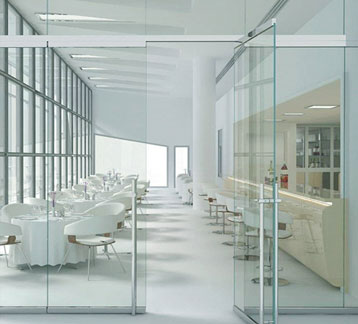
Benefits of Laminated & Toughened Glass for High-Traffic Kenyan Commercial Buildings
Modern commercial architecture in Kenya has embraced glass more boldly than ever, especially in high-traffic environments such as shopping malls, office blocks, hotels, banks, hospitals, and retail storefronts. As foot traffic increases and aesthetic standards rise, building owners and contractors look for glazing options that not only enhance beauty but also deliver enhanced safety, durability, acoustic performance, and long-term value. This is where laminated and toughened glass in Kenya has become indispensable. These two glass types, though often grouped together, serve different but complementary purposes—combining structural strength, security, and design flexibility for demanding commercial applications.
Whether you are upgrading a shopfront in Ngong Township, fitting out a hotel lobby in Karen, or designing a new corporate building in Nairobi, understanding the functional differences and practical benefits of laminated and toughened glass ensures smarter material choices. And with the growing availability of high-quality glass and accessories through reliable suppliers, businesses can now achieve architectural excellence without compromising on safety or performance.
As Kenya’s commercial sector becomes more design-driven, many project owners complement their glass installations with essential structural and finishing materials. For example, adhesive systems used to bond rails, hinges, and support frames must be durable enough for long-term use, and contractors frequently rely on strong construction adhesives such as those found in our full range of adhesives available through Ngong Hills Merchants. Likewise, projects involving plumbing or sanitary upgrades often coincide with façade renovations, and many clients simultaneously explore our extensive range of plumbing supplies or browse our collection of modern sanitary ware when planning a full-scale commercial overhaul.
The growing demand for high-performance glazing is not just an architectural trend—it reflects the evolving functional requirements of modern structures. With safety codes becoming stricter and foot traffic steadily rising, the choice between normal float glass and engineered safety glass can make a dramatic difference in risk mitigation, energy efficiency, and overall building performance.
Below is an expert breakdown of the benefits of laminated and toughened glass, detailed comparisons, installation guidelines, and practical maintenance considerations tailored specifically for Kenyan high-traffic commercial environments.
Why Laminated and Toughened Glass Are Now the Standard for Commercial Buildings
The primary difference between laminated and toughened glass lies in how they respond to impact and stress. While both are considered safety glass, they offer different performance advantages that architects and contractors often combine for optimal results.
Toughened glass (also known as tempered glass) undergoes a heat treatment that increases its strength up to five times more than standard float glass. When it does break, it shatters into small, blunt pieces instead of sharp shards, significantly reducing injury risks.
Laminated glass, on the other hand, consists of two or more glass layers bonded by an inner plastic interlayer—commonly PVB (polyvinyl butyral) or SGP (ionoplast). The interlayer holds the glass together upon impact, preventing it from falling apart even when cracked.
Both glass types are widely used in Kenyan commercial projects such as banks, supermarkets, hospitals, office partitions, hotel entrances, pharmaceutical shops, and retail stores.
Ngong Hills Merchants provides direct access to commercial-grade glazing, and contractors can also source high-quality glass accessories, including hinges, handles, rollers, silicone sealants, and brackets, all designed to support long-term structural integrity.
Design Inspiration: How Modern Commercial Buildings Use Laminated & Toughened Glass
The modern Kenyan commercial landscape has embraced minimalism, transparency, and clean architectural lines. From Westlands to Ngong to Mombasa Road, more businesses are opting for glass to achieve:
1. Expansive Shopfronts and Display Windows
Retail outlets, particularly in malls and high-visibility zones, rely heavily on toughened glass for frameless storefronts. The sleek, continuous-glass design allows for maximum product visibility while projecting a premium brand image.
A retailer may pair toughened glass with high-performance framing accessories to ensure long-term stability despite constant opening and closing by customers.
2. Hotel and Office Building Façades
Laminated glass is the preferred option for large façades because of its UV protection, acoustic dampening, and safety features. The interlayer blocks harmful rays, reduces noise, and increases security—making it ideal for buildings facing main highways or busy urban centers.
3. Interior Partitions and Office Fit-outs
Toughened glass partitions create bright, open-plan workspaces while maintaining structural resistance against bumps and daily wear. These partitions often incorporate brackets, channels, and handles sourced from our comprehensive glass accessories range.
4. Balustrades and Balcony Barriers
High-rise commercial buildings typically use toughened laminated glass for balconies, ensuring that even if the outer panel breaks, the interlayer prevents collapse—critical for elevated structures.
5. Cash Offices, Banks, and High-Security Counters
Thicker laminated glass, sometimes referred to as security glazing, provides impact resistance, burglary deterrence, and a protective barrier against forced entry attempts.
6. Skylights and Atriums
To prevent falling glass hazards, laminated glass is preferred for overhead applications. Its ability to remain intact even when cracked makes it suitable for skylights and roof glazing.
Functional and Safety Benefits of Laminated & Toughened Glass
High-traffic commercial buildings in Kenya experience frequent contact, vibrations, temperature changes, and exposure to natural elements. Here are the primary benefits that make laminated and toughened glass the best materials for such environments:
1. Superior Impact Resistance
Toughened glass withstands strong impacts, abrupt force, and high-pressure wind loads—all common in exposed storefronts and busy entrances. Laminated glass adds an extra layer of security by holding together even after breakage, preventing sharp fragments from scattering.
2. Enhanced Security and Burglary Protection
Laminated glass interlayers make penetration extremely difficult. This makes it vital for jewelry shops, electronics stores, pharmacies, and banks that need reinforced entry points. Many businesses pair glazing with steel reinforcement fastened using durable bolts and nuts, which can be sourced through our bolts and nuts collection to create secure mounting systems.
3. Soundproofing for Busy Commercial Areas
Laminated glass significantly reduces external noise, making it ideal for hotels, conference centers, and offices located along highways, busy markets, or public transit corridors.
4. Fire and Heat Resistance
Tempered glass withstands high temperatures, making it suitable for areas near kitchens, generator rooms, and mechanical service corridors. This complements safety measures where electrical systems, sourced from our wide range of electrical fittings, must be kept protected from heat-sensitive structural components.
5. UV Protection
Laminated glass interlayers block up to 99 percent of UV rays, helping preserve interior furnishings, display merchandise, and carpeting from discoloration.
6. Weather Performance
Coastal towns like Mombasa and humid regions such as Kisumu require glazing solutions that resist expansion, contraction, and salt-induced degradation. Laminated and toughened glass offer long-term weather resilience compared to ordinary float glass.
Comparative Analysis: Laminated vs. Toughened Glass
Strength
Toughened glass is stronger in terms of direct impact. Laminated glass is better at preventing penetration.
Breakage Pattern
Toughened glass breaks into small cubes; laminated glass cracks but stays intact.
Security
Laminated glass offers higher burglary resistance. Toughened glass provides basic safety features.
Noise Control
Laminated glass outperforms toughened glass due to the interlayer.
Thermal Performance
Both perform well, but laminated glass provides better insulation with the right interlayer thickness.
Cost
Toughened glass is generally more affordable. Laminated glass is more expensive due to the added manufacturing process.
Best Applications
-
Toughened glass: shopfronts, partitions, balustrades
-
Laminated glass: façades, skylights, security counters, high-rise balconies
Cost Considerations for Kenyan Commercial Projects
The final cost of laminated and toughened glass installations in Kenya varies based on thickness, customization, edge polishing, hole drilling, tinting, and installation complexity. Contractors often compare these options alongside other essential materials such as sealants, drill bits, screws, and finishing products. For instance, many clients preparing for installation often explore our drill bits collection or browse our electrical fittings when their project involves integrated electrical channels or LED lighting systems within the glass framing.
In high-traffic buildings, investing in quality safety glass pays for itself through reduced breakage, fewer replacements, better energy efficiency, and enhanced occupant comfort.
Technical Specifications Contractors Should Know
Toughened Glass Specs
-
Thickness: commonly 8mm, 10mm, 12mm, and 15mm
-
Strength: up to five times stronger than float glass
-
Edge types: polished, beveled, or chamfered
-
Can include drilled holes and cut-outs for hardware accessories
Laminated Glass Specs
-
Layers: typically 2-layer (2+1) or multi-layer for higher security
-
Interlayer materials: PVB or SGP
-
Thickness combinations: 6.38mm, 8.38mm, 10.38mm, 13.52mm, and beyond
-
Acoustic-grade options for noise reduction
Both glass types require high-quality fittings such as clamps, hinges, pads, and spacers. Most of these can be found within our full lineup of glass accessories to support professional-grade installation.
Installation Guidance for Contractors and Building Owners
Installing laminated and toughened glass requires skill, accuracy, and the right tools. Poor installation often causes premature cracking, water leakage, vibration noises, and structural instability.
1. Prepare the Structural Frame
Ensure the opening is plumb, level, and adequately reinforced. Many shops rely on metal framing and high-quality fasteners to support the weight of glass panels.
2. Use Proper Adhesives and Sealants
Weatherproof silicone, bonding sealants, and structural adhesives are critical for long-term durability. Contractors can discover the full range of adhesives at Ngong Hills Merchants to ensure compatibility with glass, metal, and masonry surfaces.
3. Select Appropriate Accessories
Glass doors, partitions, and façades require precision hardware such as:
-
Patch fittings
-
Bottom/top rails
-
Door closers
-
Spider fittings
-
Handles and knobs
These are available in our glass accessories collection and tailored for commercial-grade performance.
4. Use the Right Tools
Glass installation requires cutters, drills, polishers, and sometimes grinders. Contractors often learn more about our power tools to ensure efficient installation and safe handling.
5. Safety Handling
Always lift glass with suction cups, wear protective gloves, and avoid hard impacts during installation.
Maintenance and Aftercare
High-traffic commercial environments demand frequent cleaning, regular inspections, and preventive maintenance.
Cleaning Guidelines
Use microfiber cloths, soft brushes, and ammonia-free cleaners to keep glass clear. Many commercial clients prefer to source cleaning solutions from our cleaning items collection, ensuring streak-free, long-lasting results.
Hardware Maintenance
Inspect hinges, clamps, and rails for wear, tightening loose screws and replacing damaged accessories promptly.
Sealant and Adhesive Checks
UV exposure and weather changes can deteriorate sealants. Replace damaged silicone or adhesive joints to prevent leaks or loosening.
Routine Inspections
Schedule annual inspections to check for cracks, delamination, or loosening hardware. Buildings exposed to heavy vibration—such as those near matatu routes or construction zones—may need more frequent checks.
How Laminated & Toughened Glass Increase Commercial Property Value
High-performance safety glass enhances:
-
Customer experience
-
Brand perception
-
Security
-
Energy efficiency
-
Long-term durability
Commercial tenants increasingly seek buildings with modern glazing because it improves lighting, reduces utility costs, and elevates the overall aesthetic appeal. This creates a competitive advantage in Kenya’s commercial real estate market, particularly in fast-growing zones like Ngong, Rongai, Karen, and Nairobi West.
Your One-Stop Hardware Partner in Ngong
Imagine completing your project with the right tools, the best materials, and expert advice. At Ngong Hills Merchants, we turn your DIY or construction vision into reality with a complete selection of plumbing, electrical, glass, and sanitary ware.
Contact our team for a consultation and get the right supplies, right now.
QUALITY HARDWARE & SUPPLIES IN NGONG
✔ Complete Range of Plumbing & Electrical
✔ Power Tools, Adhesives & Paints
✔ Glass, Framing & Sanitary Ware
Serving Ngong, Karen, Matasia, Kiserian & beyond.
Request Your Free Consultation: Ngong Hills Merchants
Email: ngonghillsmerchants [at] gmail.com
Phone: +254 715974811
Visit Us: Ngong Township, Ngong, Kenya
Website: https://ngonghillsmerchants.com/