
Timber Species Kenya Guide: Cypress, Podo and Mvule Compared
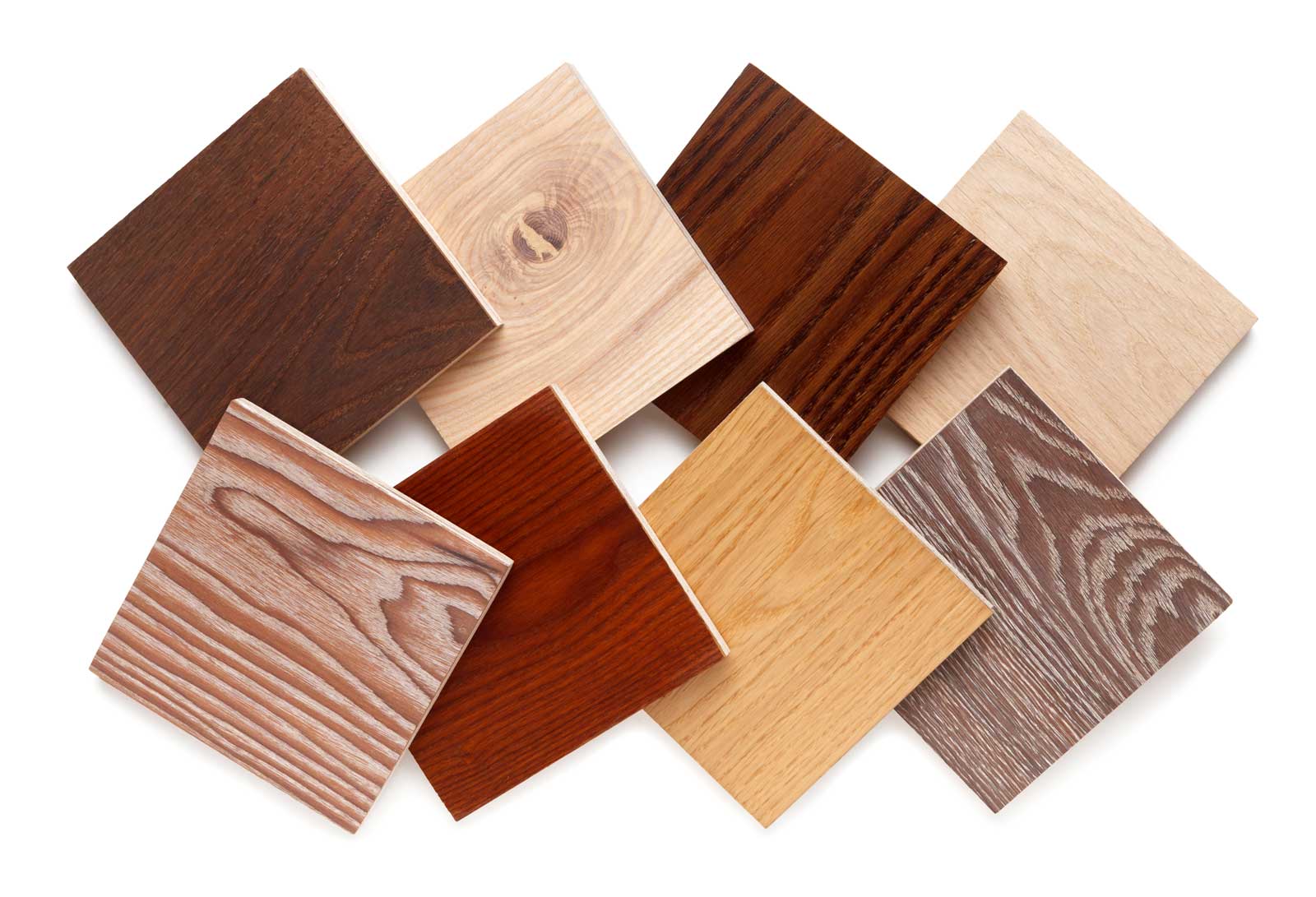
Timber species Kenya choices can significantly affect the strength, durability, appearance, cost and performance of a construction or woodworking project.
Cypress, podo and mvule are among the timber names that buyers and builders may encounter in Kenya, but they are not interchangeable materials.
They differ in botanical characteristics, density, workability, durability, appearance and suitable applications. A timber that is excellent for one purpose may be unnecessarily expensive or unsuitable for another.
For example, a builder selecting timber for roof framing has different priorities from a furniture maker choosing timber for a dining table. Structural applications require attention to strength, grade, moisture condition, defects and design loads, while joinery may place greater emphasis on appearance, machining and dimensional stability.
This makes the question of the “best timber” more complicated than simply ranking species from strongest to weakest.
The better question is:
Which timber species is appropriate for the job?
This guide compares cypress, podo and mvule, explains where each can be useful, discusses hardwood versus softwood characteristics, and highlights what buyers should check before purchasing timber.
Timber Species Kenya: Why Species Selection Matters
Timber species Kenya selection should be based on the intended application, structural requirements, durability, workability, availability and budget rather than species name alone.
Different timber species have different natural characteristics.
These can influence:
- Density.
- Strength.
- Hardness.
- Durability.
- Grain pattern.
- Colour.
- Workability.
- Nail and screw holding.
- Dimensional movement.
- Resistance to insects.
- Finishing quality.
- Cost.
However, species alone does not determine the performance of a piece of timber.
Two boards from the same species can perform differently because of:
- Timber grade.
- Growth conditions.
- Moisture content.
- Knots.
- Cracks.
- Grain direction.
- Processing.
- Defects.
- Treatment.
This is especially important when buying structural timber.
Cypress vs Mvule Timber: The Basic Difference
Cypress and mvule represent very different timber characteristics, with cypress commonly associated with lighter construction applications while mvule is valued as a durable hardwood for demanding joinery and furniture uses.
Cypress is generally considered a softwood.
Mvule, commonly associated with Milicia excelsa, is a hardwood.
Podo is another important timber species found in East African forestry and timber markets, with characteristics that make it useful for various construction and woodworking applications.
The distinction between hardwood and softwood refers primarily to botanical classification rather than a simple guarantee of strength.
In practical terms, however, hardwoods such as mvule are generally associated with greater density and durability than many softwoods.
That does not mean mvule should replace cypress in every project.
A roof structure, for example, may benefit from appropriately graded and treated softwood because the material is workable, relatively light and readily available.
Timber Species Kenya: Cypress Timber
Cypress is widely recognised as a useful construction and joinery timber because it is relatively workable, comparatively light and suitable for applications where appropriately graded timber is required.
Cypress is commonly encountered in Kenyan construction and woodworking.
Potential applications include:
- Roof framing.
- Rafters.
- Purlins.
- Battens.
- Fascia boards.
- Doors.
- Frames.
- Joinery.
- Furniture.
- Interior woodwork.
The actual suitability depends on the grade and quality of the timber.
Cypress can be easier to cut, drill and fasten than very dense hardwoods.
This can make it practical for construction sites where significant amounts of timber need to be measured and assembled.
Cypress Timber Kenya: Advantages
Cypress can offer a useful combination of workability, availability, relatively low weight and suitability for many construction applications.
Potential advantages include:
Easy workability
Cypress can generally be cut and machined using ordinary woodworking tools.
Relatively light weight
This can make handling easier on construction sites.
Construction versatility
Appropriately graded cypress can be used in several building applications.
Good finishing potential
The timber can be prepared and finished for interior applications.
Availability
Cypress is a familiar timber in Kenya’s construction sector, although availability and quality vary by location and supplier.
For projects requiring cutting and drilling equipment, you can explore our power tools and browse our drill bits for suitable hardware.
Timber Species Kenya: Podo Timber
Podo is a valuable East African timber species that can be used for construction and woodworking, with characteristics that can make it suitable for applications requiring a relatively durable and workable timber.
Podo is associated with Podocarpus species, including trees historically important in East African forests.
The name “podo” can refer to timber from different podocarp species, so buyers should be clear about the actual species and source.
Depending on the material supplied, podo can be used for:
- Joinery.
- Furniture.
- Doors.
- Frames.
- General construction.
- Interior woodwork.
- Other woodworking applications.
As with cypress and mvule, the quality of the individual board matters.
Podo Timber: Key Characteristics
Podo is generally valued for its workable nature, attractive appearance and suitability for a range of construction and joinery applications.
Characteristics can vary depending on species and growing conditions.
Buyers should consider:
- Density.
- Moisture content.
- Grain.
- Knots.
- Straightness.
- Surface finish.
- Defects.
- Intended application.
Podo may be a useful middle-ground option where a buyer wants a timber with good working characteristics without necessarily selecting one of the heaviest hardwoods.
However, structural use should always be based on the appropriate timber grade and engineering requirements.
Timber Species Kenya: Mvule Timber
Mvule is a highly valued hardwood associated with durability, strength, attractive grain and long service life when properly selected and used.
Mvule is commonly associated with Milicia excelsa, a large indigenous African hardwood.
It has traditionally been valued for:
- Furniture.
- Doors.
- Flooring.
- Joinery.
- Decorative woodwork.
- Heavy-duty applications.
Its durability and appearance can make it particularly attractive for premium woodwork.
However, these qualities can also make mvule more expensive than common construction softwoods.
It should therefore be selected where its performance or appearance justifies the additional investment.
Mvule Timber Uses: Furniture
Mvule is particularly attractive for furniture because its hardness, durability and grain can produce robust pieces with a premium natural appearance.
It can be used for:
- Tables.
- Chairs.
- Cabinets.
- Beds.
- Benches.
- Decorative furniture.
- Heavy-use joinery.
Furniture manufacturers must still pay attention to moisture content and timber movement.
Even durable hardwood can warp or crack if poorly dried or improperly stored.
Proper seasoning is therefore an important part of timber quality.
Timber Species Kenya: Cypress vs Podo vs Mvule
Cypress, podo and mvule can all be useful timbers, but their practical value changes depending on whether the priority is structural construction, workability, durability, appearance or cost.
A simplified comparison is useful:
| Characteristic | Cypress | Podo | Mvule |
|---|---|---|---|
| General classification | Softwood | Often treated as a softwood timber | Hardwood |
| Typical weight | Relatively light | Medium, depending on species | Relatively heavy |
| Workability | Generally good | Generally good | Moderate to good |
| Natural durability | Moderate/variable | Moderate/variable | Generally high |
| Furniture | Suitable | Suitable | Excellent for durable furniture |
| Roof work | Commonly suitable when graded | Can be suitable depending on grade | Often unnecessarily heavy/costly |
| Decorative joinery | Good | Good | Excellent |
| Typical cost position | Often more economical | Varies | Often premium |
| Main advantage | Practical construction timber | Workability and versatility | Durability and appearance |
This table is a general guide rather than a substitute for timber grading or engineering specifications.
Best Timber Construction Kenya: Is There One Best Species?
There is no single best timber construction Kenya species because the correct material depends on the building component, structural load, environment, treatment and budget.
For example, the priorities for roof framing can include:
- Adequate structural strength.
- Appropriate grade.
- Straightness.
- Correct dimensions.
- Treatment.
- Availability.
- Cost.
For a premium hardwood door, the priorities may instead include:
- Durability.
- Appearance.
- Stability.
- Machining.
- Finishing.
For furniture, grain and appearance may become much more important.
Therefore, choosing timber should always start with the application.
Timber Species Kenya: Softwood vs Hardwood
Hardwood and softwood classifications describe different botanical groups, and the terms should not be interpreted as simple labels for “strong” and “weak” timber.
Softwoods generally come from gymnosperm trees such as conifers.
Hardwoods generally come from angiosperm trees.
There are exceptions to almost every simplistic assumption about these categories.
Some hardwoods are relatively light.
Some softwoods can have excellent structural performance.
For construction, the important question is not simply whether timber is hardwood or softwood.
Instead, consider:
- Species.
- Grade.
- Strength properties.
- Moisture.
- Defects.
- Treatment.
- Intended use.
Cypress vs Mvule Timber: Which Is Better for Roofing?
For roof framing, appropriately graded and treated cypress can be a practical choice, while mvule may be excessive for applications where its high durability and density are not necessary.
Roof framing requires structural performance rather than simply maximum hardness.
A roof timber system may include:
- Trusses.
- Rafters.
- Purlins.
- Battens.
- Bracing.
- Fascia boards.
Each component needs the appropriate dimensions and strength.
Using a very dense hardwood does not automatically make a roof safer.
Structural design should determine member sizes and connections.
Timber should then be purchased to match those requirements.
For more information on roof-edge components, fascia and timber selection, see our related construction materials and hardware range.
Timber Species Kenya: Cypress for Fascia Boards
Cypress can be a practical fascia material when properly selected, treated, installed and protected from persistent moisture.
Fascia boards need to:
- Remain straight.
- Hold fasteners.
- Support gutter components where applicable.
- Provide a clean roof edge.
- Resist moisture and insects.
Cypress can meet these requirements when appropriately specified.
However, treatment and installation remain important.
A good timber species can still fail when exposed to continuous water from a leaking gutter.
Timber Species Kenya: Podo for Joinery
Podo can be suitable for joinery and interior woodwork where workability, appearance and adequate durability are required.
Potential applications include:
- Door frames.
- Window frames.
- Furniture.
- Cabinets.
- Panelling.
- Interior trim.
Its exact performance depends on the species, grade and preparation.
For high-value joinery, buyers should request representative samples where possible.
The sample can help assess:
- Colour.
- Grain.
- Texture.
- Knots.
- Surface quality.
- Finish.
Mvule Timber Uses: Doors and Frames
Mvule’s durability and attractive appearance can make it a strong option for doors and high-quality frames, particularly where long service life and appearance are priorities.
External doors are exposed to:
- Rain.
- Humidity.
- Sun.
- Temperature changes.
- Physical impact.
- Repeated opening and closing.
A durable hardwood can perform well in these conditions when correctly designed, dried, installed and maintained.
However, the construction detail matters just as much as species.
Poorly designed joints can allow water entry regardless of how durable the timber is.
Mvule Timber Uses: Flooring
Mvule can be suitable for flooring where durability and a distinctive hardwood appearance are desired.
Flooring experiences:
- Foot traffic.
- Scratches.
- Furniture loads.
- Moisture exposure.
- Cleaning.
- Temperature changes.
A durable hardwood can therefore be attractive for high-use areas.
However, flooring timber must be properly seasoned and installed.
Expansion gaps, subfloor preparation and finishing all influence performance.
Timber Species Kenya: Moisture Content
Moisture content is one of the most important quality factors because timber that is too wet can shrink, twist or crack after installation.
This applies to cypress, podo, mvule and other species.
As timber loses moisture, its dimensions can change.
This can produce:
- Gaps.
- Cracks.
- Warping.
- Loose joints.
- Doors that no longer close properly.
- Floor movement.
The required moisture condition depends on the application and environment.
Timber intended for interior joinery should generally be suitably seasoned before installation.
Timber Species Kenya: Seasoned vs Green Timber
Seasoned timber has been dried to reduce moisture, while green timber has a relatively high moisture content and may undergo significant dimensional change after installation.
Green timber can be useful in some applications, but it requires appropriate knowledge and design.
Using inadequately seasoned timber for precision joinery can create problems later.
For:
- Doors.
- Cabinets.
- Furniture.
- Flooring.
- Fine joinery.
proper seasoning is particularly important.
Timber Treatment Termites: Do All Species Need Treatment?
Natural durability varies between species, but treatment may still be appropriate depending on the timber, application, exposure and expected service conditions.
Mvule may have greater natural durability than many commonly used softwoods.
That does not mean it is completely immune to:
- Termites.
- Fungi.
- Moisture.
- Physical damage.
Likewise, cypress can benefit from appropriate treatment, particularly where timber is exposed to conditions favourable to insects or decay.
Treatment should be selected according to the timber and intended use.
Timber Treatment Termites: Why Roof Timber Needs Protection
Roof timber can be vulnerable to termites and fungal deterioration, particularly when moisture enters the roof structure or timber is in contact with vulnerable areas.
Protection can include:
- Appropriate timber treatment.
- Good roof drainage.
- Proper flashing.
- Adequate ventilation.
- Keeping timber dry.
- Regular inspection.
Treatment should not be viewed as the only line of defence.
A leaking roof can create conditions that encourage timber deterioration even when the original material was treated.
Timber Species Kenya: Timber Defects to Avoid
Timber quality should be assessed visually and, where required, through appropriate grading before it is used in structural or high-value applications.
Potential defects include:
- Large knots.
- Cross grain.
- Splits.
- Checks.
- Excessive warping.
- Twisting.
- Insect damage.
- Fungal decay.
- Resin pockets.
- Mechanical damage.
Not every knot makes timber unusable.
The importance of a defect depends on its:
- Size.
- Location.
- Direction.
- Frequency.
- Effect on the member.
Structural timber should therefore be assessed according to appropriate grading requirements rather than appearance alone.
Cypress vs Mvule Timber: Cost Considerations
Cypress will often be more economical for general construction than premium hardwoods such as mvule, but actual prices vary with dimensions, quality, treatment, availability and market conditions.
The cheapest timber is not necessarily the lowest-cost option over the building’s lifetime.
Consider:
Purchase cost + treatment + installation + maintenance + replacement risk.
For a roof structure, a properly graded and treated construction timber may provide better value than an unnecessarily expensive hardwood.
For a high-end door, furniture piece or flooring application, the additional cost of durable hardwood may be justified.
Timber Species Kenya: Buying Timber by Application
The most effective way to buy timber is to tell the supplier what the timber will be used for rather than simply asking for a particular species.
For example, instead of saying:
“I need cheap timber.”
Provide:
- Application.
- Required dimensions.
- Approximate quantity.
- Indoor or outdoor use.
- Structural or decorative use.
- Treatment requirement.
- Desired finish.
This gives the supplier enough information to recommend suitable material.
Timber Species Kenya: Buying Roof Timber
Roof timber should be purchased according to the structural design, with dimensions, grade and treatment matching the specified roof system.
Before ordering, confirm:
- Rafter dimensions.
- Truss dimensions.
- Purlin sizes.
- Batten sizes.
- Spacing.
- Fascia dimensions.
- Bracing requirements.
- Treatment.
- Quantity.
- Waste allowance.
For structural components, avoid changing timber sizes on site simply because another dimension is cheaper or more readily available.
Any structural substitution should be assessed appropriately.
Timber Species Kenya: Tools for Timber Work
Correct tools make timber cutting, drilling and fastening more accurate while reducing unnecessary damage to expensive boards.
Depending on the job, a timber project may require:
- Measuring tools.
- Saws.
- Drills.
- Screwdrivers.
- Hammers.
- Planers.
- Sanders.
- Clamps.
You can browse our power tools when planning a construction or woodworking project.
For drilling timber and related installation tasks, you can also explore our drill bits.
Timber Species Kenya: Fasteners and Connections
The right timber can still perform poorly if it is connected with inappropriate fasteners or poorly designed joints.
Depending on the application, timber construction can involve:
- Nails.
- Screws.
- Bolts.
- Brackets.
- Structural connectors.
Fasteners should be suitable for the timber and exposure conditions.
For general construction hardware, you can browse our bolts and nuts when preparing your materials list.
For timber structures, connection design can be structurally significant and should not be improvised.
Timber Species Kenya: Finishing Cypress, Podo and Mvule
The final appearance of timber depends on preparation, sanding, moisture condition, coating and the natural characteristics of the species.
Before finishing:
- Ensure the timber is appropriately dry.
- Prepare the surface.
- Remove dust.
- Fill defects where appropriate.
- Sand progressively.
- Apply compatible primer or sealer.
- Apply the selected finish.
Different species can absorb finishes differently.
Always test the coating on a sample where appearance is important.
For related finishing products, explore our paints for suitable project supplies.
Timber Species Kenya: Sustainable Purchasing
Responsible timber purchasing should consider legal sourcing, traceability, species identification and sustainable forestry practices.
Some indigenous hardwood species have experienced significant pressure from historical harvesting.
Mvule in particular is a valuable indigenous species whose conservation and responsible sourcing deserve consideration.
Buy timber from reputable suppliers and ask appropriate questions about:
- Species.
- Source.
- Legal documentation where applicable.
- Treatment.
- Grade.
- Quality.
Responsible purchasing supports better forestry practices and reduces the risk of buying improperly sourced material.
Timber Species Kenya: Which Timber Should You Choose?
Choose cypress when practical construction, workability and availability are priorities; consider podo where its combination of appearance and workability suits the application; and select mvule when durability, strength characteristics and premium hardwood appearance justify the investment.
A simple decision framework is:
Choose cypress when:
- You need roof timber.
- You require relatively light construction timber.
- You need easy machining.
- Budget is important.
- Appropriate treated and graded material is available.
Consider podo when:
- Joinery is the main application.
- Appearance matters.
- Workability is important.
- You need a versatile timber.
Consider mvule when:
- Durability is a major priority.
- Premium furniture is required.
- High-quality doors are being made.
- Decorative hardwood is desired.
- The budget supports premium material.
These are broad guidelines.
The actual timber should always be evaluated based on grade, dimensions, moisture content and intended use.
Timber Species Kenya: Frequently Asked Questions
What are the main timber species used in Kenya?
Kenya has many timber species used for construction, furniture and joinery. Cypress, podo and mvule are among the species buyers may encounter, but suitability varies by application.
Is cypress good for construction?
Yes, appropriately graded and treated cypress can be suitable for many construction applications, including roof framing and joinery.
Is mvule stronger than cypress?
Mvule is a dense hardwood generally associated with greater hardness and durability than typical cypress, but structural strength depends on grade, defects, dimensions and loading conditions.
Is cypress better than mvule for roofing?
Cypress can be a practical choice for roof framing when correctly graded, sized and treated. Mvule may be unnecessarily expensive or heavy for applications where its premium characteristics are not required.
What is podo timber used for?
Podo may be used for joinery, furniture, frames and other construction or woodworking applications, depending on the species, grade and quality supplied.
Is mvule good for furniture?
Yes. Mvule is valued for durable, attractive furniture and joinery when properly seasoned, machined and finished.
Does cypress need termite treatment?
Treatment may be appropriate depending on the timber, application and exposure conditions. Buyers should confirm the treatment status of construction timber.
Can mvule be attacked by termites?
Natural durability does not mean complete immunity. Appropriate protection, construction detailing and inspection remain important.
What is the best timber for a roof?
There is no universal best species. The appropriate timber depends on the roof design, span, loads, grade, dimensions, treatment and budget.
What should I check before buying timber?
Check the species, dimensions, straightness, defects, moisture condition, treatment and intended application. Structural timber should also meet the required grade and design specifications.
Is hardwood always stronger than softwood?
No. Hardwood and softwood are botanical classifications, not simple strength rankings. Strength depends on species, grade and other timber characteristics.
Which timber is best for doors?
Durable, properly seasoned timber can be suitable for doors. Mvule can be an attractive premium option, while other species may offer better value depending on the application.
Which timber is best for fascia boards?
Appropriately treated and dimensioned cypress or another suitable timber can be used for fascia boards. The important factors are quality, treatment, dimensions, moisture protection and fixing.
Why does timber crack after installation?
Cracking can occur because of moisture loss, shrinkage, poor seasoning, inappropriate fixing, grain characteristics or environmental movement.
Timber Species Kenya: Make the Right Choice Before You Buy
Timber species Kenya selection should be driven by performance requirements rather than simply choosing the hardest, cheapest or most attractive timber available.
Cypress remains a practical construction timber for many applications where workability, availability and cost matter.
Podo can provide a useful option for joinery and woodworking where its characteristics suit the project.
Mvule offers valuable hardwood qualities, particularly where durability, appearance and premium performance justify its higher cost.
But the species name is only the beginning.
Always consider:
- Timber grade.
- Dimensions.
- Moisture content.
- Defects.
- Treatment.
- Structural requirements.
- Environmental exposure.
- Intended use.
- Budget.
- Responsible sourcing.
For structural work, use the timber sizes and grades specified by the appropriate design rather than relying on generic recommendations.
For furniture and joinery, choose timber that has been properly seasoned and is suitable for the required finish.
For roof construction, combine appropriate timber with correct treatment, fixing, drainage and ventilation.
The best timber is ultimately the timber that is fit for the specific job.
Your One-Stop Hardware Partner in Ngong
Imagine completing your project with the right tools, the best materials, and expert advice. At Ngong Hills Merchants, we turn your DIY or construction vision into reality with a complete selection of plumbing, electrical, glass, and sanitary ware.
Contact our team for a consultation and get the right supplies, right now.
QUALITY HARDWARE & SUPPLIES IN NGONG ✔ Complete Range of Plumbing & Electrical ✔ Power Tools, Adhesives & Paints ✔ Glass, Framing & Sanitary Ware ✔ Serving Ngong Hills, Kiserian, Matasia, Karen & beyond.
Request Your Free Consultation: Ngong Hills Merchants
Email: ngonghillsmerchants [at] gmail.com
Phone: +254 715974811
Visit Us: Ngong Township, Ngong, Kenya
Website: https://ngonghillsmerchants.com/