Handtools

The Difference Between Industrial-Grade and Home-Grade Tools

The Difference Between Industrial-Grade and Home-Grade Tools
The Difference Between Industrial-Grade and Home-Grade Tools

Understanding the difference between industrial-grade and home-grade tools is essential for anyone purchasing hardware—whether you are a homeowner handling basic repairs, a contractor managing large projects, or a technician seeking tools that can endure heavy-duty use. The distinction between these two categories goes far beyond branding or price differences. It involves engineering standards, material composition, safety ratings, durability expectations, and the scenarios each tool is designed to handle.

At Ngong Hills Merchants, homeowners and professionals alike often ask whether they truly need an industrial-grade tool or if a home-grade version will suffice. The answer depends on what you intend to do—and how frequently you plan to do it. This comprehensive guide breaks down the differences in materials, design, performance, and lifespan to help you make informed decisions and invest wisely in tools that match your needs.

To explore tools mentioned throughout this guide, you can browse our wide range of hand tools, plumbing accessories, or power tools selection for durable options suited to both home and professional use.


Understanding the Purpose Behind Each Tool Category

At the simplest level:

  • Industrial-grade tools are built for continuous, demanding, professional use.

  • Home-grade tools are designed for occasional, moderate DIY tasks.

But the real difference lies in their engineering philosophy.

Industrial tools must withstand repetitive stress, higher torque, heavy weight loads, and prolonged daily use without surpassing safety limits. They are designed for environments such as factories, construction sites, mechanical workshops, and commercial installations.

Home-grade tools, on the other hand, are optimized for lighter workloads—like assembling furniture, fixing loose fittings, minor plumbing adjustments, and general household tasks. They are safe and effective when used within their intended range but not engineered for extreme repetitive forces or harsh environments.

Understanding this foundation makes it clear why choosing the right category matters—using a home-grade wrench for industrial pipework or a light-duty screwdriver for electrical installations can lead to injury, equipment damage, or tool failure.


Differences in Material Strength and Build Quality

1. Steel Composition and Alloy Types

Industrial-grade tools are made using stronger and more resilient steel alloys such as:

  • Chrome-vanadium steel (Cr-V)

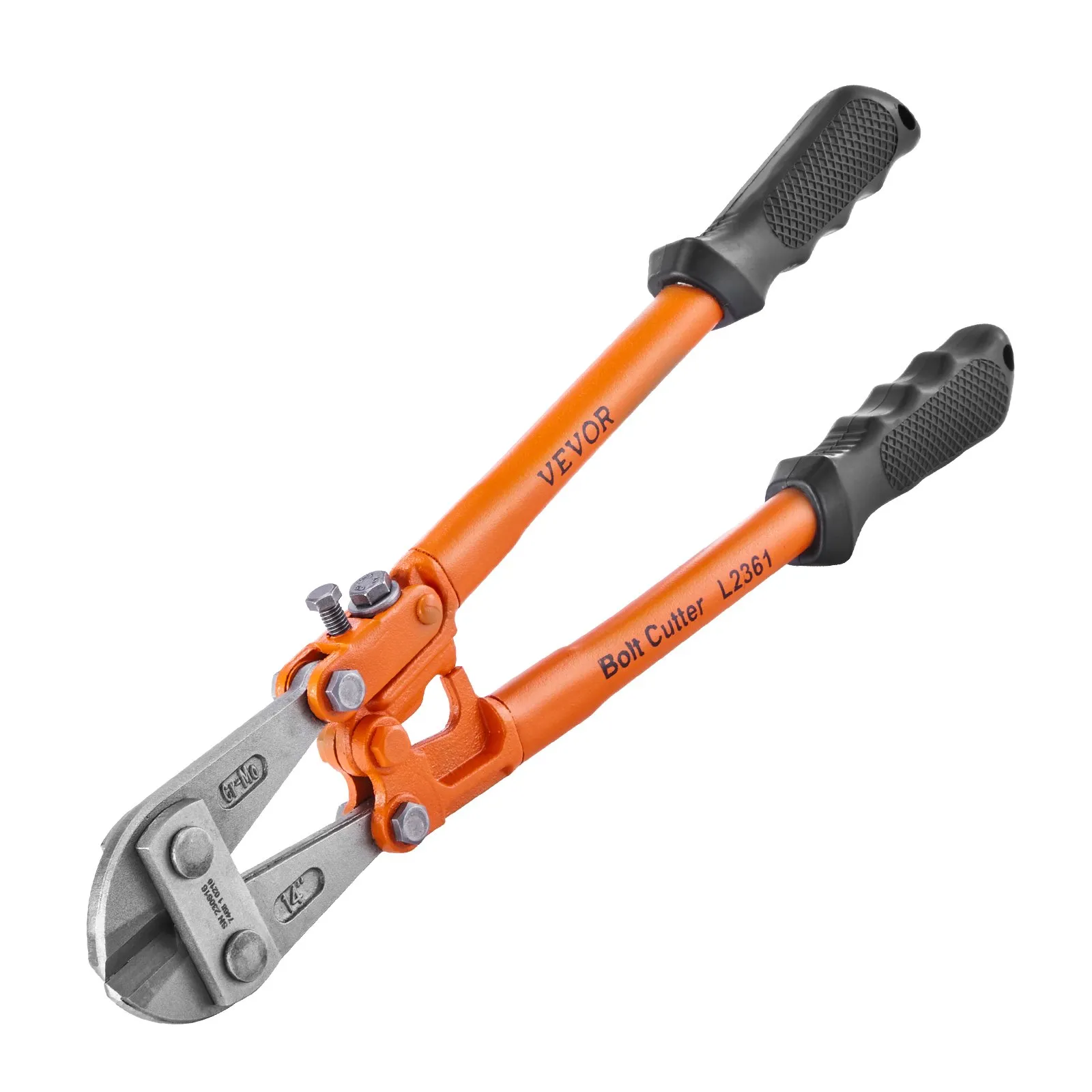
  • Chrome-molybdenum steel (Cr-Mo)

  • High-carbon hardened steel

  • Heat-treated forged steel

These materials resist bending, snapping, or wearing down even under continuous stress. For example, an industrial pipe wrench is typically forged and hardened to handle torque levels that would instantly warp a home-grade tool.

Home-grade tools often use lighter or lower-grade metals:

  • Cold-rolled steel

  • Lower carbon content alloys

  • Minimal heat treatment

They perform well for moderate loads, but prolonged or excessive strain will eventually deform them.

If you require a high-strength wrench for demanding tasks, consider browsing our professional pipe wrench selection, such as the Prescott industrial pipe wrench, designed for rugged use.


2. Manufacturing Processes

Industrial tools undergo:

  • Precision forging

  • Heat treatment

  • Tempering

  • High-tolerance machining

These processes increase toughness, shock resistance, and accuracy.

Home-grade tools may be stamped, cast, or minimally machined—adequate for household tasks but not for continuous heavy-duty performance.

Forged tools especially stand out: forging aligns the internal grain of the metal, allowing it to handle stress far better than cast equivalents.


3. Coatings and Anti-Corrosion Protection

Industrial-grade tools often include:

  • Chrome plating

  • Black oxide coatings

  • Nickel plating

  • Anti-rust sealants

These coatings protect against oxidation, abrasion, chemicals, water, and constant handling.

Home-grade tools typically have lighter coatings, suitable for typical household conditions but not prolonged exposure to moisture, oils, or harsh elements.

If your work involves exposure to moisture or chemicals—as in plumbing—you can explore our plumbing tools and corrosion-resistant fittings for reliable long-term use.


Design Differences: Ergonomics, Handles, and Safety

Beyond material strength, the design philosophy differs significantly.

Industrial-Grade Tools Feature:

  • Shock-resistant handles (fiberglass or reinforced rubber)

  • Anti-slip textures for wet/oily environments

  • Reinforced joints and pivot points

  • Larger, more robust components

  • Enhanced torque and leverage engineering

  • Higher safety tolerances and certifications

They are designed with worker fatigue, repetitive motion safety, and task efficiency in mind.

Home-Grade Tools Feature:

  • Lightweight designs

  • Basic rubber or plastic grips

  • Simpler shape and handle ergonomics

  • General-purpose use rather than specialized functionality

Their design favors comfort and affordability for occasional DIY use.

For ergonomic professional tools, explore our hand tools category,where comfort and performance are carefully balanced.


Performance Differences Under Stress

This is where industrial-grade tools truly stand apart.

1. Torque and Load Capacity

Industrial tools deliver and withstand:

  • Higher torque

  • Higher clamping force

  • Greater impact resistance

  • Higher vibration absorption

These attributes enable them to handle seized bolts, heavy materials, and repetitive tasks.

Home-grade tools can slip, bend, or snap when exposed to these loads.


2. Precision and Accuracy

Industrial tools such as torque wrenches, precision screwdrivers, and cutting equipment feature:

  • Tight machining tolerances

  • Consistent calibration

  • Accurate gripping surfaces

This ensures consistent work quality, especially in mechanical, electrical, and fabrication environments.

Home-grade tools do not typically offer engineering precision—they’re built for general functionality.


3. Heat Resistance

Continuous use creates friction and heat, especially in:

  • Wrenches

  • Sockets

  • Screwdrivers

  • Drilling applications

Industrial tools incorporate heat-treated components that maintain structural integrity under high temperatures.

Home tools may lose hardness or deform under prolonged heat exposure.


Lifespan and Durability Expectations

Industrial-grade tools are expected to last years or decades, even under daily use. Manufacturers design them with:

  • Reinforced steel cores

  • Replaceable components (e.g., jaws, bits)

  • Wear-resistant finishes

  • Robust fasteners and joints

Home-grade tools may last many years—but only with light, occasional use. Heavy demand dramatically shortens their lifespan.

To maximize the durability of your tools, maintain them properly using items from our cleaning supplies category, especially if tools come into contact with moisture or dirt.


Price Differences: Why Industrial Tools Cost More

The higher cost of industrial tools reflects:

  • Premium raw materials

  • Specialized manufacturing processes

  • Rigorous quality testing

  • Higher safety ratings

  • Longevity and reliability under stress

However, the investment pays off when you need tools that:

  • Perform consistently

  • Resist breakage

  • Increase job-site safety

  • Deliver professional results

Home-grade tools cost less but may require more frequent replacements if used beyond their capabilities.


Use-Case Scenarios: Which Tools Do You Actually Need?

Here’s a practical breakdown to help you choose wisely.

Choose Industrial-Grade Tools If:

  • You work in construction, fabrication, or commercial maintenance

  • You use tools daily or for extended periods

  • You work on heavy-duty materials

  • You need high precision

  • Safety and reliability are critical

  • You require maximum torque and durability

Professionals can explore our power tools category for industrial-rated equipment engineered for heavy workloads.


Choose Home-Grade Tools If:

  • You only need tools for light maintenance

  • You perform occasional DIY tasks

  • Budget-friendliness is a priority

  • The jobs involve low torque or light materials

  • You rarely use tools intensively

A basic hammer, screwdriver set, adjustable wrench, and utility knife will cover most home needs. You can shop for these in our hand tools section, which includes affordable and practical options.


Examples of Industrial vs Home-Grade Tools

1. Hammers

  • Industrial: Forged steel head, fiberglass handle, anti-shock design

  • Home: Basic steel head with wooden or plastic handle, minimal vibration control

2. Screwdrivers

  • Industrial: Hardened S2 steel, magnetic tips, ergonomic high-grip handles

  • Home: Standard steel, simple molded plastic handles

3. Wrenches

  • Industrial: Cr-V or Cr-Mo steel, precise jaw tolerances

  • Home: Standard steel, wider tolerance ranges

Explore durable wrench options such as the Prescott industrial pipe wrench for robust performance.


Maintenance Differences Between the Two

Regardless of grade, tools last longer when maintained properly.

Industrial Tools Require:

  • Regular lubrication of joints

  • Protection from rust using corrosion sprays

  • Scheduled inspections for cracks or wear

  • Reconditioning or replacement of worn parts

Home Tools Require:

  • Occasional cleaning

  • Dry storage

  • Basic rust prevention

To keep both categories in peak condition, homeowners and professionals can browse our cleaning items and adhesive categories for rust removers, lubricants, and maintenance products.


Should You Mix Both Types in Your Toolbox?

Absolutely. Most homeowners and even professionals benefit from a combination:

  • Home-grade tools for light tasks (furniture assembly, tightening screws).

  • Industrial-grade tools for demanding tasks (plumbing, electrical, metalwork, construction).

A balanced toolkit saves money while ensuring you’re prepared for both casual DIY and serious repair jobs.


Where to Buy Reliable Tools in Kenya

Ngong Hills Merchants provides both industrial-grade and home-grade tools that have been tested for durability, reliability, and value. Whether you need basic household tools or high-strength professional equipment, you can explore:

  • Our main shop

  • Our full product catalogue

  • Our hand tools category

  • Our electrical category

  • Our plumbing section

  • Our power tools category

Specialized fittings such as aluminium and glass hardware and premium accessories are also available for construction professionals who need high-grade components.

If you’re unsure which category suits your project, our expert team is always ready to offer guidance tailored to your needs. Visit our contact page to speak with a specialist.


Final Thoughts

Understanding the difference between industrial-grade and home-grade tools empowers buyers to invest intelligently. Industrial tools offer unmatched durability, precision, and performance under heavy workloads, making them essential for professional environments. Home-grade tools provide affordability and convenience for everyday tasks, making them ideal for household use.

The right choice depends on your needs. For demanding tasks, industrial-grade tools offer long-term value and safety. For general household repairs, home-grade tools provide a practical and cost-effective solution. By combining both categories, homeowners and professionals build a versatile, reliable toolkit suited to projects of any scale.

When you’re ready to upgrade or expand your toolbox, Ngong Hills Merchants is your trusted local supplier for both home and industrial solutions.


Your One-Stop Hardware Partner in Ngong

Imagine completing your project with the right tools, the best materials, and expert advice. At Ngong Hills Merchants, we turn your DIY or construction vision into reality with a complete selection of plumbing, electrical, glass, and sanitary ware.

Contact our team for a consultation and get the right supplies, right now.

QUALITY HARDWARE & SUPPLIES IN NGONG

✔ Complete Range of Plumbing & Electrical
✔ Power Tools, Adhesives & Paints
✔ Glass, Framing & Sanitary Ware

Serving Ngong, Karen, Matasia, Kiserian & beyond.

 Request Your Free Consultation: Ngong Hills Merchants
 Email: ngonghillsmerchants [at] gmail.com
 Phone: +254 715974811
 Visit Us: Ngong Township, Ngong, Kenya
 Website: https://ngonghillsmerchants.com/

Leave a Reply