Decoration

Curtain Walls vs Traditional Cladding Kenya: Cost & Value Guide

Curtain Walls vs Traditional Cladding

Curtain Walls vs Traditional Cladding Kenya: A Comprehensive Cost Comparison for Modern Buildings

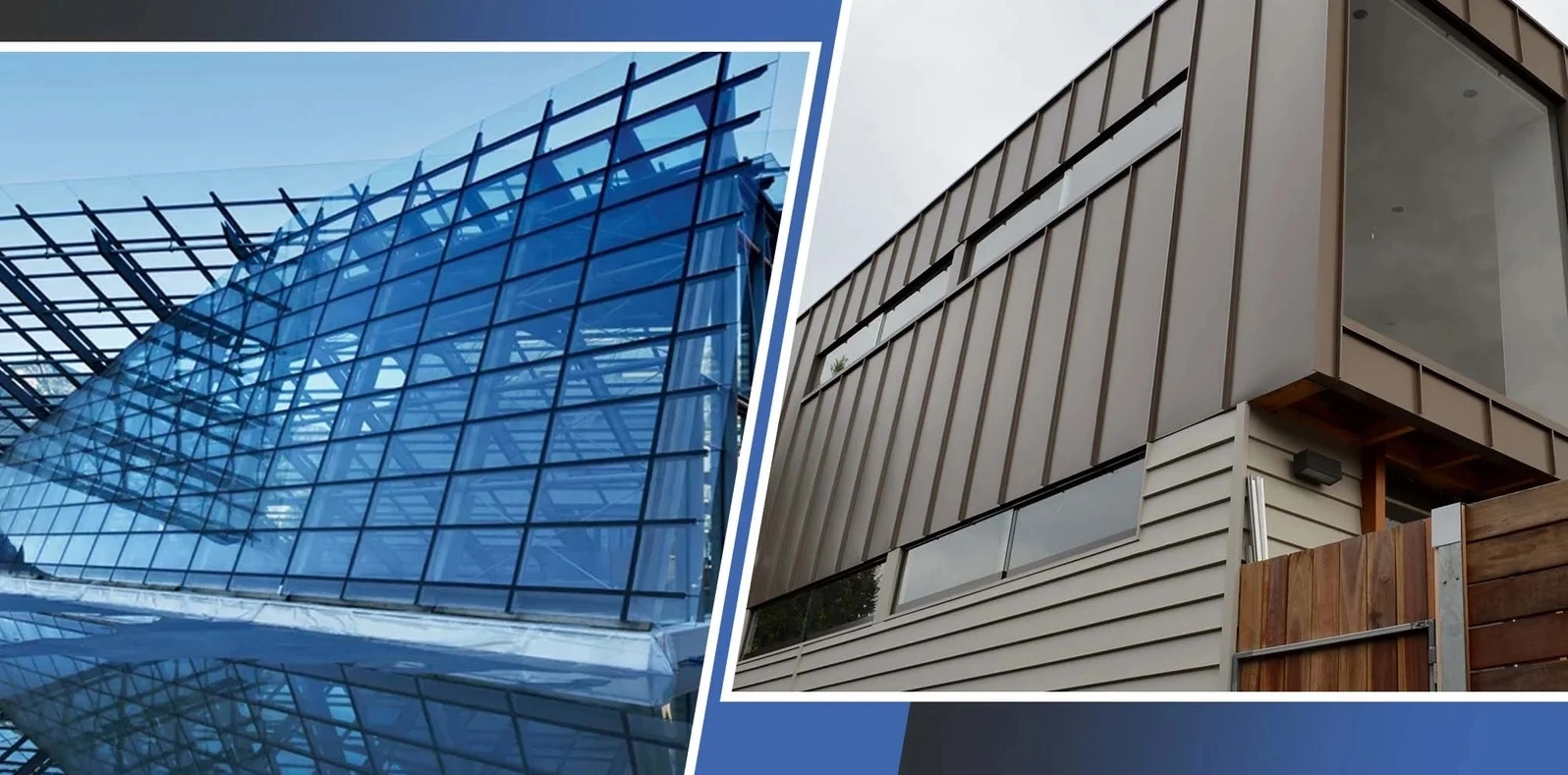
In the Kenyan construction and real‑estate market, one question increasingly shapes the decisions of developers and homeowners alike: Curtain Walls vs Traditional Cladding Kenya — which option offers the best balance of cost, durability, aesthetics, and long‑term value? As more luxury apartments, commercial buildings, and high‑end homes rise in Nairobi, Mombasa, Nakuru and beyond, the choice between modern aluminium & glass curtain wall systems and conventional cladding (stone, brick veneer, timber, or rendered plaster) has profound implications for upfront investment, maintenance, thermal comfort, and perceived prestige.

In this guide, we explore the full comparison — from material and installation cost, through durability and maintenance, to lifecycle value — to help you decide which material suits your building ambitions in Kenya’s unique climate and market context.

Understanding the Options: What Are Curtain Walls vs Traditional Cladding?

Curtain walls refer to non‑load-bearing exterior walls made using aluminium framing and large glass panels (or combinations of glass and aluminium or other infill). In such systems, the structural load of the building is carried by the frame (typically reinforced concrete or steel), while the curtain wall serves as an outer “skin” — providing weather protection, aesthetic appeal, natural light, and, when properly sealed, thermal and acoustic performance.

Conversely, traditional cladding involves using materials such as stone veneer, brick, rendered plaster, timber, or cement-based façades attached or built onto the building’s structural shell. These forms of cladding often carry some load or provide lateral resistance, depending on the build method. Traditional cladding has been the default in Kenya for decades and remains widely used especially for low-rise residential houses and small commercial buildings.

Each approach comes with different cost components, advantages, and trade‑offs — many of which are significantly influenced by Kenya’s climate, local labour costs, material availability, and maintenance realities.


Cost Breakdown: Upfront Investment — Materials and Installation of Curtain Walls vs Traditional Cladding

Materials Cost: Aluminium + Glass vs Stone, Brick, Timber, Render

  • Curtain Wall Materials: Aluminium extrusions for framing, tempered or laminated glass panels (clear, tinted, frosted, low-E, etc.), high-quality weather‑seals, gaskets, glazing beads, sealants, and fasteners.

    • Aluminium framing and hardware tend to be more expensive than masonry or timber framing, especially when using powder-coated profiles for corrosion resistance (important in humid or coastal regions).

    • Quality glass panels — especially tempered or laminated types that meet safety and building standards — carry premium cost.

    • Additional sealing and waterproofing materials add to the overall cost.

  • Traditional Cladding Materials: Stone veneer or tiles, bricks or blocks, cement sand render/plaster, timber boards (if used), mortar, paints or finishes.

    • Many traditional materials (e.g. locally available stone, brick, or cement render) are less expensive per square metre compared to aluminium-glass systems.

    • Timber cladding may be modestly priced depending on wood type, but comes with higher maintenance costs over time.

Approximate cost comparison (indicative per square metre of façade):

Façade Type Material + Installation (KES/m²)
Aluminium & Glass Curtain Wall (basic clear glass + standard frame) KES 9,000 – 14,000
Curtain Wall (upgraded laminated/low‑E glass, premium frame, weather sealing) KES 12,000 – 18,000
Stone Veneer / Brick / Rendered Cladding (standard finish) KES 4,500 – 7,000
Rendered Cement Plaster or Painted Masonry KES 3,000 – 5,000

Note: These figures are approximate and vary with scale of building, quality of materials, transportation costs, and labour charges. Imported aluminium profiles or specialised laminated glass may increase cost significantly.

Thus, on a purely upfront basis, traditional cladding is substantially cheaper — often by 40‑60% — compared to a basic curtain wall system, and even more so compared to premium curtain wall finishes.

Installation Labour and Complexity of Curtain Walls vs Traditional Cladding

  • Installing a curtain wall demands skilled labour: accurate façade alignment, precise glazing work, sealing to prevent water ingress, structural anchoring to load-bearing shell, expansion allowance, and compliance with safety regulations (especially for multi‑storey buildings).

    • Mistakes in sealing or anchoring can lead to leaks, drafts, structural stress, or glazing failure — increasing risk and liability.

    • Project timelines may be longer, and require coordination between structural, glazing, and finishing crews.

    • Use of specialised power tools, quality sealants and adhesives (for gaskets, glazing beads, and sealing), and high‑precision measuring is essential.

  • Traditional cladding installation — particularly plaster, render, or masonry — is well‑understood by most contractors in Kenya, uses widely available labour, and often proceeds faster for low-rise structures.

    • Structural integration is simpler; rendering or mortar-based cladding doesn’t require high-precision glazing, though finish quality depends on craftsmanship.

    • Mistakes (e.g., poorly applied render, uneven stone veneer) are visible but typically easier to remediate than glazing faults.

In summary, labour costs and project complexity tend to favour traditional cladding — particularly for smaller buildings where local masons suffice.

Hidden Costs: Structural Reinforcement, Waterproofing & Sealants

Curtain walls — especially for mid-to-high rise structures — may require additional structural reinforcement (especially anchoring points into the main building frame), fire‑rated barriers, and high-grade sealants to ensure long-term waterproofing and airtightness, especially in Nairobi’s rainy seasons or Mombasa’s humid coastal climate. These hidden costs can add 15–25% to the baseline curtain wall budget.

By contrast, traditional cladding (render, brick, or stone) seldom requires such elaborate reinforcement beyond standard building practice.


Long-term Value: Durability, Maintenance, and Lifecycle Costs

Maintenance and Upkeep

  • Curtain Walls (Aluminium & Glass):

    • Glass is non-porous — resistant to stains, mildew, rot, or termite damage.

    • Routine cleaning with glass cleaners maintains appearance.

    • Aluminium frames (if powder‑coated and sealed) resist corrosion, though coastal areas still require occasional inspections and resealing.

    • Sealants and gaskets may degrade over years (especially under UV exposure), requiring periodic replacement to avoid leaks.

    Overall, maintenance tends to be lower and simpler. For a well‑installed system, façade upkeep might be limited to annual cleaning and occasional gasket/sealant servicing.

  • Traditional Cladding (Stone, Render, Timber, Brick):

    • Render and plaster may crack over time due to thermal expansion, damp, or settling — especially under Kenya’s variable weather conditions. These cracks require patching, repainting, or even partial re-rendering.

    • Timber cladding (if used) demands regular treatment — staining or sealing — to prevent rot or termite damage.

    • Stone veneer and brick are durable, but mortar joints erode, and surfaces may accumulate dust, moss, or discoloration over time — requiring cleaning or repointing.

    • In humid or coastal zones, moisture ingress can lead to mold or structural decay under the cladding.

    Over a 10–20 year lifecycle, maintenance costs (repainting, re-rendering, patch repairs) can accumulate significantly — often narrowing the cost gap with curtain walls.

Energy Efficiency, Thermal Comfort and Building Value

  • Curtain walls — particularly when using low‑E glass or double‑glazed units — can improve thermal insulation and reduce heat gain or loss. This leads to lower energy bills for cooling or heating and more consistent indoor comfort.

  • Traditional cladding (especially thick masonry or stone) provides good thermal mass — helping moderate indoor temperature swings — but may trap heat during hot Kenyan afternoons if poorly ventilated or insulated.

  • From a resale or rental value perspective, buildings with modern curtain-wall façades are often perceived as “premium,” appealing to expatriates, corporate tenants, and high-end homebuyers. The sleek appearance, abundant natural light, and modern aesthetics contribute to higher property valuations.


Suitability for Kenyan Context: Climate, Maintenance Realities, and Material Logistics

Climate Considerations: Rain, Humidity, Heat, and UV Exposure
  • Cities like Nairobi, Nakuru, Eldoret, Mombasa face differing climate challenges — from heavy rains to high UV index and, in coastal areas, salt-laden humid air.

    • Curtain walls need quality sealants, UV‑resistant gaskets, and corrosion‑resistant aluminium finishes to withstand such conditions.

    • Glass inclines to stay clean in dry periods but can get streaked or dirty after rains — regular cleaning is essential.

    • In coastal zones, salt spray can accelerate aluminium corrosion if protective coatings are inferior; this makes imported powder‑coated frames or corrosion-resistant profiles more desirable.

  • Traditional cladding materials — especially cement render, stone, or brick — hold up relatively well against moisture and UV, but suffer from cracking, efflorescence, or mortar erosion if drainage and water‑proof detailing are inadequate. Timber cladding often fares worst in humid zones.

Availability and Logistics of Materials in Kenya

  • Aluminium extrusions and high-grade glass panels often need to be imported or sourced from specialized distributors in Nairobi, increasing cost due to transport and import duties.

  • Local materials for traditional cladding — stone, bricks, cement, sand — are widely available even in remote regions; labour is plentiful and skilled masons are easy to find.

  • For remote or semi‑urban sites (outside major cities), transport and handling of heavy glass panels or fragile materials add risk and cost — often tipping the balance in favor of traditional cladding.

Labour Expertise and Installation Infrastructure

  • Skilled glaziers and contractors familiar with curtain-wall systems are still relatively rare outside urban centres like Nairobi and Mombasa. Poor installation can lead to catastrophic failures: leaks, glazing cracks, structural stress.

  • By contrast, mason‑based cladding or rendered façade is well within the reach of many contractors across Kenya; the technology is well-known, and labour availability is high. For small residential buildings or modest commercial structures, this often means faster turnaround and lower risk.


Comparative Analysis: Costs vs Benefits — Which Option Fits What Project?

When Curtain Walls Make Sense

Choose a curtain-wall system when:

  • You are constructing multi-storey commercial buildings, high‑end apartments, corporate offices, showrooms, or luxury homes where aesthetics, natural light, and modern appearance matter.

  • The budget allows a higher upfront investment.

  • You expect long-term value, minimal maintenance, and want a premium façade that adds resale/rental appeal.

  • You are building in urban areas where you can source materials and skilled labour — and you value efficient execution.

  • You want improved thermal comfort or energy savings via high-performance glazing (e.g., low‑E glass, double glazing).

  • The building is likely to last decades and you want a durable, modern façade that requires minimal upkeep.

When Traditional Cladding Remains the Smarter Choice

Traditional cladding may be better when:

  • You are working on budget‑sensitive residential build or small commercial spaces where cost per square metre is a major constraint.

  • Construction is in remote or semi‑urban areas with limited access to specialized materials or glaziers.

  • You anticipate frequent modifications or extensions — masonry or render-based façades are easier and cheaper to adapt or repair.

  • The building doesn’t need to project “luxury” — instead prioritizing practicality, speed, and low upfront cost.

  • You prefer local materials and labour to minimise transport cost and dependencies on imports.


Hidden Considerations: Risk, Safety, and Regulatory Compliance

Safety, Structural Integrity and Building Codes

  • Curtain-wall systems must comply with structural, wind‑load, and fire‑safety building codes — especially for multi‑storey buildings. Aluminium and glass are non-load-bearing; failure to anchor correctly can lead to structural failure or glass detachment.

  • Glazing must meet safety standards — tempered or laminated glass is strongly recommended to avoid shattering hazards.

  • Waterproofing and sealing are critical in Kenya’s rainy seasons. Poor sealing can lead to leaks, damp, mould, or structural damage over time — particularly in high‑rise structures where leaks can spread across multiple floors.

  • For traditional cladding, inadequate structural support or poor mortar/render quality can lead to cracks, moisture ingress, or façade degradation; regular maintenance is necessary to preserve integrity.

Maintenance Risk and Lifecycle Costs vs Short‑Term Savings

  • Savings on upfront cost with traditional cladding may be offset over the life of the building through repainting, patching, moisture damage repairs, termite or rot treatment (for timber), or re‑rendering.

  • Curtain walls may demand specialised maintenance (sealants, glazing inspections) — but if properly installed, they tend to have lower long‑term maintenance needs.

  • The cost of replacing a failed glazing panel or seal may be high, but such events are infrequent with quality installation and materials.


Strategic Recommendations for Kenyan Developers and Homeowners

Evaluate Long-Term Goals: Building Type, Intended Lifespan, and Market Expectations

Before committing to a façade type, define the building’s purpose and expected lifespan. If you aim to build a long-lasting, high-end home or commercial property — one that will likely be sold or rented out at a premium — investing in a quality curtain-wall system may pay off in the long run. For smaller, budget-sensitive, or short-term buildings, traditional cladding remains a practical choice.

Combine Methods: Hybrid Cladding Solutions

For many Kenyan buildings, a hybrid approach — using curtain walls on key façade sections (e.g., front elevation, lobby, showrooms) and traditional cladding elsewhere — balances cost and aesthetics. This allows you to reap benefits of modern design where it counts, while controlling costs.

Moreover, integrating high-quality framing materials for structural support, quality adhesives and sealants for waterproofing, and finishing materials (paints, renders) tailored to the local climate helps maximize value no matter the method chosen.

Source Materials and Labour from Trusted Suppliers

When opting for curtain walls, quality matters. Poor aluminium profiles, low-grade glass, or substandard sealing drastically reduce longevity and performance. Partner with a reliable hardware and material supplier that can deliver certified materials and guide you through installation. At the same time, ensure installers are experienced with glazing, structural anchoring, and waterproofing.

For traditional cladding, invest in good render mixes, proper drainage detailing, and skilled mason workmanship — these often determine whether the façade lasts or deteriorates early.


Why a Trusted Supplier Makes a Difference: Source Quality Materials Locally

At every decision point — material selection, finishing, installation — having access to high-grade supplies significantly affects outcomes. Whether you are going for a cutting‑edge façade or a classic cladding solution, reliable hardware supplies ensure durability and value.

By sourcing from a reputable supplier (such as us), you guarantee that your aluminium profiles meet corrosion‑resistance standards, your glass is tempered and safe, your sealants are weather‑rated, and your finishing materials (paints, renders) endure Kenya’s climate. Furthermore, access to a wide range of power tools and fixings simplifies installation for contractors or DIY builders.

This foundation of quality helps ensure that whichever façade option you choose — modern curtain walls or traditional cladding — delivers long-term satisfaction rather than short-term savings.


Conclusion: Balancing Cost, Value, and Vision

The choice between aluminium & glass curtain walls and traditional cladding is not simply a matter of cost — it is a strategic decision that touches architecture, maintenance, building value, and long-term satisfaction.

  • For luxury homes, offices, and commercial developments where aesthetics, natural light, and prestige matter — especially in urban Kenyan settings — curtain walls offer undeniable long-term value despite higher upfront costs.

  • For small-scale residences, budget-conscious projects, or constructions in remote areas, traditional cladding remains a practical, economical, and flexible choice.

  • In many cases, a hybrid solution — combining the best of both worlds — presents the optimal balance between cost control and modern design.

Ultimately, the decision should be guided not only by current budget but by the building’s intended lifespan, maintenance capacity, climate, and the value you wish to preserve or add over time.


Your One-Stop Hardware Partner in Ngong

Imagine completing your project with the right tools, the best materials, and expert advice. At Ngong Hills Merchants, we turn your DIY or construction vision into reality with a complete selection of plumbing, electrical, glass, and sanitary ware.

Contact our team for a consultation and get the right supplies, right now.

QUALITY HARDWARE & SUPPLIES IN NGONG ✔ Complete Range of Plumbing & Electrical ✔ Power Tools, Adhesives & Paints ✔ Glass, Framing & Sanitary Ware ✔ Serving Ngong, Karen, Matasia, Kiserian & beyond.

 Request Your Free Consultation: Ngong Hills Merchants
 Email: ngonghillsmerchants [at] gmail.com
 Phone: +254 715974811
 Visit Us: Ngong Township, Ngong, Kenya
 Website: https://ngonghillsmerchants.com/

Leave a Reply