
Blog
Curtain Walls vs Traditional Cladding Kenya: Cost & Value Guide

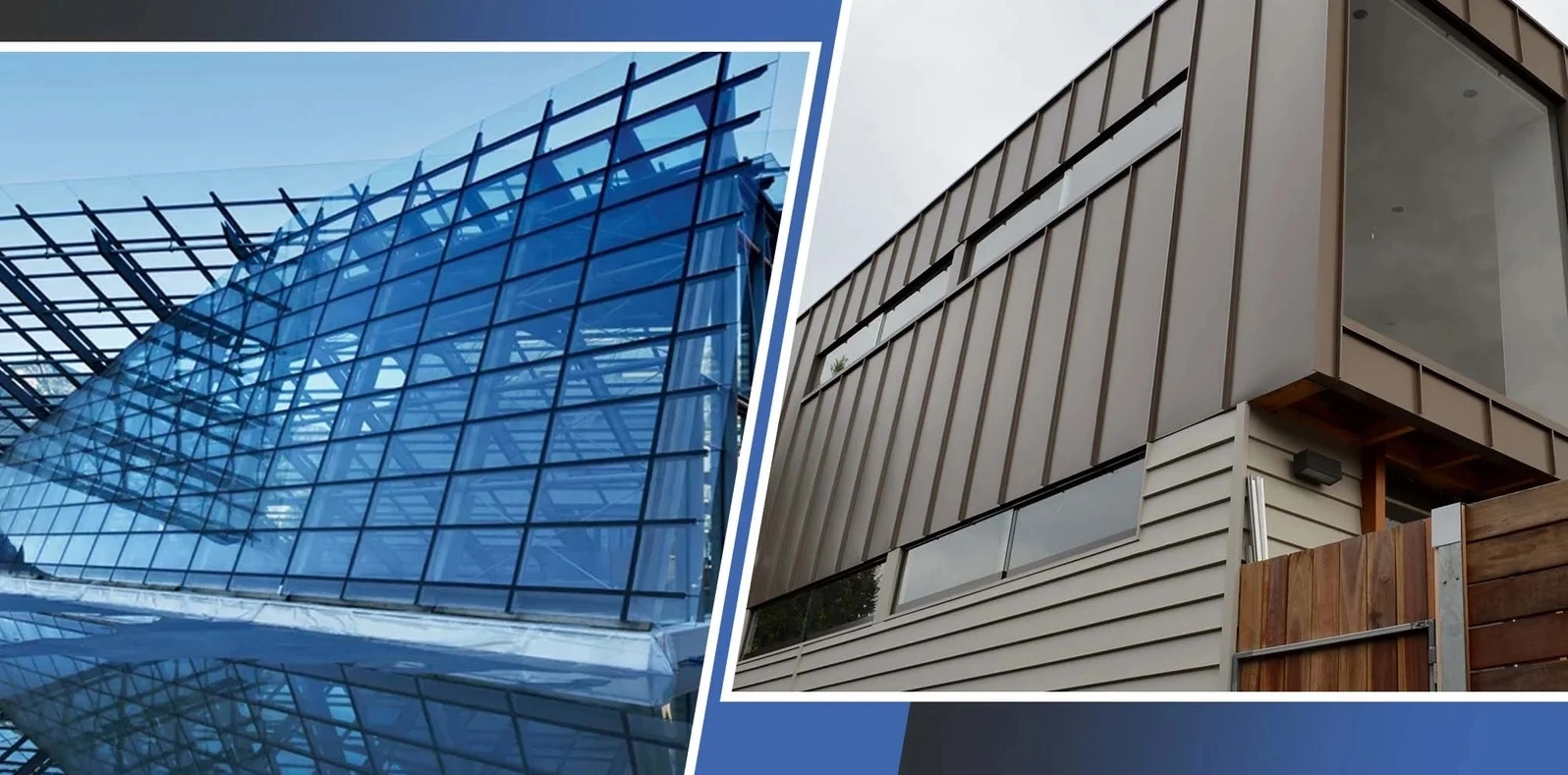
Curtain Walls vs Traditional Cladding in Kenya: A Complete Cost & Value Guide
The decision between Curtain Walls vs Traditional Cladding in Kenya has become one of the most important architectural and budgeting choices in modern construction. As urban development accelerates across Nairobi, Ngong, and other fast-growing towns, developers are increasingly weighing aesthetics, durability, cost, and long-term value when selecting façade systems.
Curtain walls represent a modern architectural approach, typically using aluminium framing and large glass panels. Traditional cladding, on the other hand, relies on masonry, stone, cement render, or other solid exterior finishes that have long dominated Kenyan construction.
Both systems serve the same fundamental purpose—protecting and defining the building envelope—but they differ significantly in cost, performance, installation complexity, and long-term maintenance requirements.
Curtain Walls vs Traditional Cladding in Kenya: Key Differences Explained
Curtain walls are non-load-bearing exterior systems suspended from a building’s structural frame. They are designed primarily for aesthetics, weather protection, and natural lighting, often using aluminium profiles combined with glass panels.
Traditional cladding systems are attached to or form part of the external wall structure. These include stone, brick, cement plaster, and painted finishes that provide both protection and structural mass.
The key distinction is that curtain walls prioritize modern design and lightweight construction, while traditional cladding focuses on solidity, affordability, and familiarity in construction methods.
Curtain Walls vs Traditional Cladding in Kenya: Cost Breakdown and Installation Factors
Cost is one of the most decisive factors in this comparison.
Curtain walls generally require higher initial investment due to engineered glass, aluminium framing, and specialized labour. Installation also demands precision engineering, sealing systems, and structural alignment.
Traditional cladding is significantly more affordable upfront. Materials like cement, bricks, and plaster are locally available, and installation relies on widely accessible labour skills.
However, curtain walls may offer long-term financial benefits through reduced maintenance and improved energy performance in modern buildings.
For projects requiring reliable construction materials and tools, contractors often source essentials from our shop and hardware supplies section, which supports both structural and finishing work.
Curtain Walls vs Traditional Cladding in Kenya: Durability and Maintenance Comparison
Curtain walls offer strong resistance to environmental wear when properly installed. Aluminium frames resist corrosion, and glass panels do not suffer from rot, termites, or surface erosion. Maintenance mainly involves cleaning and periodic seal inspection.
Traditional cladding, while durable, is more susceptible to cracking, fading, moisture penetration, and repainting needs over time. Brick and stone options perform better but still require periodic maintenance such as repointing.
In long-term performance terms, curtain walls often require fewer structural repairs compared to traditional finishes.
Curtain Walls vs Traditional Cladding in Kenya: Aesthetic and Architectural Value
Curtain walls are strongly associated with modern architecture. Their sleek glass appearance allows for natural lighting, open visual spaces, and premium building aesthetics. This makes them popular in commercial buildings, offices, and luxury residential developments.
Traditional cladding offers versatility in texture and appearance but maintains a more conventional architectural identity. It is widely used in residential housing and cost-sensitive projects.
From a property value perspective, curtain wall systems often increase perceived market value due to their modern appeal.
Curtain Walls vs Traditional Cladding in Kenya: Energy Efficiency and Performance
Curtain wall systems can be designed with insulated or low-emissivity glass, improving thermal performance and reducing heat gain in buildings. This is particularly important in commercial spaces with large glass surfaces.
Traditional cladding, especially masonry, provides natural thermal mass that helps regulate indoor temperatures. However, performance depends heavily on insulation quality and wall thickness.
Both systems can be energy efficient when properly designed, but curtain walls offer more advanced control through engineered glazing technologies.
Curtain Walls vs Traditional Cladding in Kenya: Best Applications in Kenyan Construction
Curtain walls are best suited for:
- High-rise commercial buildings
- Corporate offices
- Shopping malls and retail spaces
- Modern luxury apartments
Traditional cladding is best suited for:
- Residential housing developments
- Low-rise buildings
- Budget-conscious projects
- Rural and semi-urban construction
In many Kenyan projects, hybrid designs are increasingly common, combining both systems for cost efficiency and architectural balance.
For projects involving structural finishing and fittings, builders often rely on durable fastening systems available in our bolts and nuts category.
Curtain Walls vs Traditional Cladding in Kenya: Long-Term Investment Value
Curtain walls typically require higher upfront investment but deliver strong long-term value through reduced maintenance, modern aesthetics, and improved building efficiency.
Traditional cladding provides lower initial costs but may accumulate maintenance expenses over time, especially in harsh environmental conditions.
For commercial developers, curtain walls often offer better long-term returns through improved tenant appeal and property valuation.
Curtain Walls vs Traditional Cladding in Kenya: Professional Installation Importance
Installation quality is critical for both systems.
Curtain walls require precise engineering, secure anchoring, proper sealing, and expert alignment. Poor installation can lead to leaks, glass stress, and structural issues.
Traditional cladding requires correct material mixing, curing, and application techniques to prevent cracking and surface failure.
In both cases, sourcing reliable adhesives and construction materials is essential. High-performance bonding solutions are available in our adhesive product category.
Conclusion: Choosing Between Curtain Walls vs Traditional Cladding in Kenya
The decision between Curtain Walls vs Traditional Cladding in Kenya ultimately depends on budget, design goals, and long-term building strategy.
Curtain walls offer modern aesthetics, improved natural lighting, and premium architectural value. Traditional cladding remains a practical and cost-effective solution for many construction projects across Kenya.
A balanced approach—combining both systems—often delivers the best results in today’s evolving construction landscape.
Call To Action
Your One-Stop Hardware Partner in Ngong
Imagine completing your project with the right tools, the best materials, and expert advice. At Ngong Hills Merchants, we turn your DIY or construction vision into reality with a complete selection of plumbing, electrical, glass, and sanitary ware.
Contact our team for a consultation and get the right supplies, right now.
QUALITY HARDWARE & SUPPLIES IN NGONG
Complete Range of Plumbing & Electrical
Power Tools, Adhesives & Paints
Glass, Framing & Sanitary Ware
Serving Ngong, Karen, Matasia, Kiserian & beyond.
Request Your Free Consultation: Ngong Hills Merchants
Email: ngonghillsmerchants [at] gmail.com
Phone: +254 715974811
Visit Us: Ngong Township, Ngong, Kenya
Website: https://ngonghillsmerchants.com/

Build with Confidence. Offering reliable tools and materials, Ngong Hill Merchants is committed to supporting your projects with excellence and integrity.
Contact Us



Copyright © 2025 Ngong Hills Merchants Powered By Twinfusion.