
Blog
Epoxy Flooring for Kenyan Garages and Workshops

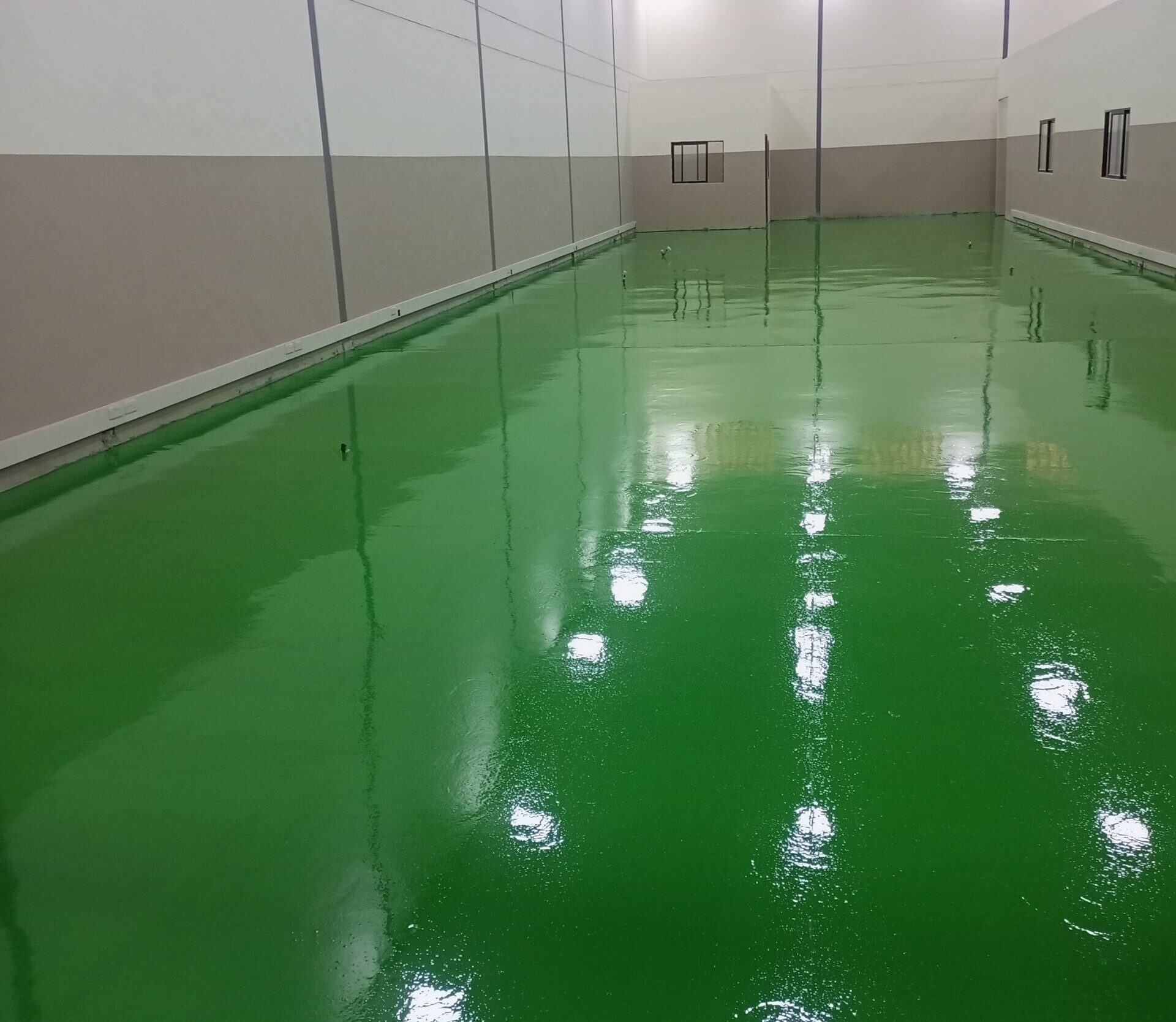
Epoxy Flooring
Concrete floors are common in Kenyan garages, workshops, warehouses, and light industrial spaces. While plain concrete is durable, it is also porous, dusty, prone to oil staining, and vulnerable to cracking under heavy mechanical loads. For homeowners, mechanics, fabricators, and contractors looking for a long-term upgrade, epoxy flooring in Kenya offers a practical and professional solution.
Epoxy flooring transforms ordinary concrete into a seamless, high-strength, chemical-resistant surface that withstands vehicle traffic, dropped tools, oil spills, and frequent cleaning. In busy garages in Nairobi, automotive workshops in Kisumu, and coastal storage units in Mombasa, epoxy coatings significantly improve floor durability while enhancing cleanliness and safety.
This comprehensive guide explains how epoxy flooring works, its benefits in Kenyan conditions, step-by-step application methods, drying times, cost considerations, and common mistakes to avoid. Whether you are upgrading a home garage or finishing a commercial workshop, understanding epoxy flooring in Kenya ensures you achieve maximum performance and long-term value.
What Is Epoxy Flooring?
Epoxy flooring is a two-component system consisting of resin and hardener that chemically react to form a rigid, durable plastic-like surface. Once cured, it bonds tightly to concrete, creating a seamless and highly resistant coating.
Unlike ordinary paint, epoxy does not simply dry—it cures through a chemical reaction. This curing process produces:
-
High compressive strength
-
Excellent abrasion resistance
-
Chemical and oil resistance
-
Low porosity
For Kenyan garages where vehicles leak oil or workshops handle machinery and tools, this level of durability is essential.
To achieve optimal performance, it is critical to use quality epoxy resins and floor coating products designed for heavy-duty flooring applications.
Why Epoxy Flooring Is Ideal for Kenyan Garages
Garages and workshops in Kenya face heavy mechanical stress, dust accumulation, oil spills, and fluctuating temperatures. Epoxy coatings address these challenges effectively.
1. Resistance to Oil and Chemicals
Vehicle maintenance areas frequently experience oil drips, brake fluid spills, and cleaning solvents. Bare concrete absorbs these liquids, leading to permanent stains and gradual deterioration.
Epoxy creates a non-porous barrier that prevents absorption, making cleaning easier and protecting the concrete beneath.
2. Durability Under Heavy Loads
In workshops handling engines, welding equipment, and heavy machinery, floors endure significant point loads. Properly installed epoxy flooring in Kenya provides:
-
Strong adhesion to concrete
-
Resistance to cracking under weight
-
Improved load distribution
This is especially valuable for automotive repair shops in Nairobi’s industrial areas.
3. Dust Reduction
Concrete floors naturally generate dust as they wear down. This dust can damage equipment and create unhealthy indoor air conditions.
Epoxy seals the surface, eliminating dust formation and creating a cleaner working environment.
4. Moisture Resistance in Coastal Regions
In humid cities like Mombasa, moisture vapor can rise through concrete slabs. High-quality epoxy systems resist moisture penetration, preventing peeling and delamination when correctly installed over dry, prepared surfaces.
Types of Epoxy Flooring Systems
Not all epoxy systems are the same. The right system depends on usage intensity and environmental conditions.
Self-Leveling Epoxy
-
Smooth, seamless finish
-
Ideal for garages and showrooms
-
Provides uniform thickness
High-Build Epoxy
-
Thicker coating
-
Greater impact resistance
-
Suitable for heavy workshops
Epoxy Mortar Systems
-
Extremely durable
-
Used in industrial environments
-
Resists heavy machinery vibration
For standard residential garages, a high-build system is typically sufficient.
Step-by-Step Application Process
Proper installation determines whether epoxy flooring lasts 2 years or 15 years. Surface preparation is the most critical stage.
Step 1: Surface Inspection
Check for:
-
Cracks in concrete
-
Oil contamination
-
Moisture issues
-
Uneven surfaces
Repair structural cracks before coating.
Step 2: Mechanical Surface Preparation
Concrete must be roughened to allow epoxy bonding. This can be done using grinders or mechanical tools from the power tools category.
The goal is to achieve a slightly textured profile for maximum adhesion.
Step 3: Cleaning and Degreasing
Remove:
-
Dust
-
Grease
-
Loose particles
Use appropriate cleaning solutions from the cleaning items section to ensure the floor is completely clean and dry.
Any contamination left behind can cause bonding failure.
Step 4: Mixing Epoxy Resin and Hardener
Epoxy flooring systems require precise mixing of resin and hardener in manufacturer-specified ratios.
-
Mix thoroughly using mechanical stirrers
-
Avoid whipping air into the mixture
-
Prepare only the quantity usable within the pot life
Using compatible hardeners and epoxy systems ensures proper curing and strength development.
Step 5: Application with Heavy-Duty Rollers
Apply the mixed epoxy evenly across the surface using professional heavy-duty floor rollers.
-
Start from one corner and work systematically
-
Maintain consistent thickness
-
Use spiked shoes if walking over wet epoxy
Rollers must be solvent-resistant and capable of handling thick coatings.
Step 6: Curing and Drying Time
Drying and curing times vary based on temperature and humidity.
Typical curing timeline in Kenya:
-
Light foot traffic: 12–24 hours
-
Vehicle traffic: 48–72 hours
-
Full chemical cure: 5–7 days
In cooler highland areas, curing may take slightly longer. In hot regions, working time may shorten due to faster chemical reactions.
Environmental Performance in Kenyan Conditions
Climate plays a major role in epoxy performance.
Nairobi and Central Highlands
-
Moderate temperatures
-
Stable curing conditions
-
Ideal for controlled installations
Mombasa and Coastal Areas
-
High humidity
-
Requires moisture testing before application
-
Proper ventilation is critical
Kisumu and Lake Region
-
Warm temperatures
-
Good curing speed
-
Ensure slab dryness before coating
Managing moisture and ventilation is essential to prevent bubbling or delamination.
Cost Considerations for Epoxy Flooring in Kenya
Cost depends on surface preparation, thickness, and material quality.
Key factors influencing pricing:
-
Condition of concrete slab
-
Area size (square metres)
-
Type of epoxy system
-
Labour requirements
While epoxy flooring in Kenya may have a higher upfront cost than ordinary floor paint, it significantly reduces maintenance expenses and repainting frequency.
For commercial workshops, the return on investment is often realized within a few years due to reduced repairs and improved cleanliness.
Typical Applications in Kenya
Epoxy flooring is suitable for various residential and commercial spaces.
Residential Garages
-
Protects concrete from vehicle wear
-
Enhances property value
-
Easier cleaning
Automotive Workshops
-
Withstands oil spills and mechanical impact
-
Improves professional appearance
Fabrication and Engineering Shops
-
Resists abrasion
-
Supports heavy equipment
Warehouses
-
Reduces dust
-
Improves lighting reflection
Across urban centres like Nairobi, Kisumu, and Mombasa, epoxy flooring in Kenya is becoming the preferred solution for durable workshop environments.
Common Mistakes to Avoid
-
Skipping surface grinding
-
Applying epoxy over damp concrete
-
Incorrect resin-to-hardener ratio
-
Applying too thin or too thick
-
Allowing dust contamination during curing
Professional preparation and high-quality materials ensure long-term success.
Maintenance and Longevity
Properly installed epoxy floors can last 10–15 years or more.
Maintenance tips:
-
Clean spills promptly
-
Avoid dragging sharp metal objects
-
Inspect annually for wear
-
Recoat high-traffic zones when needed
Regular cleaning preserves gloss and slip resistance.
Upgrade Your Garage the Right Way
Concrete floors in Kenyan garages and workshops endure heavy stress, chemical exposure, and temperature fluctuations. Investing in high-quality epoxy flooring in Kenya transforms these spaces into durable, professional, and easy-to-maintain environments.
With proper surface preparation, accurate resin and hardener mixing, and application using heavy-duty rollers, epoxy flooring delivers long-term protection and performance.
Explore our range of epoxy systems and floor coating solutions at:
shop
For technical guidance, bulk purchases, or expert recommendations tailored to your project, contact our team today:
contact-us
Upgrade your garage or workshop with a floor built to withstand Kenya’s toughest demands.

Build with Confidence. Offering reliable tools and materials, Ngong Hill Merchants is committed to supporting your projects with excellence and integrity.
Contact Us



Copyright © 2025 Ngong Hills Merchants Powered By Twinfusion.