Blog
River Sand vs. Machine Cut Sand: Which is Better for Plastering in Kenya

River Sand vs Machine Sand
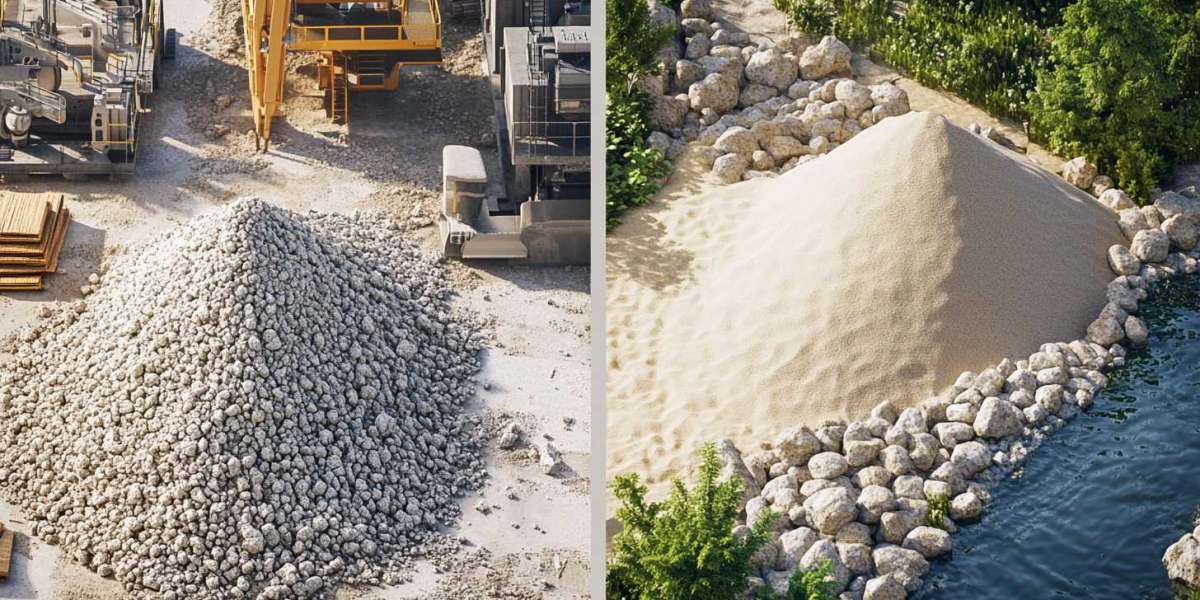
River Sand vs Machine Sand In Kenya, the choice of sand can make or break a plastering project. Plaster acts as a protective and aesthetic layer on walls, smoothing surfaces, preventing moisture ingress, and providing a base for paint. However, the quality, texture, and source of sand directly influence plaster strength, adhesion, and durability.
Two of the most common sand types used in Kenyan construction are river sand and machine cut sand. Builders, homeowners, and contractors often debate which one offers better results for wall plastering, especially in regions like Nairobi, Mombasa, Kajiado, and Machakos.
This guide explores the technical properties, advantages, and disadvantages of river sand versus machine sand in the Kenyan context. We also cover sourcing considerations, plastering techniques, preparation, and best practices to achieve strong, crack-free walls.
Understanding Sand Types
Sand is a granular material essential for concrete, mortar, and plastering. Its shape, particle size, and cleanliness determine workability, water retention, and bonding strength.
River Sand
-
Naturally sourced from riverbeds
-
Fine and rounded grains
-
Smooth texture ideal for troweling
-
Traditionally favored for plastering
Machine Cut (Crushed) Sand
-
Produced by crushing hard stones using machinery
-
Angular, rough-textured particles
-
More abrasive than river sand
-
Increasingly popular due to river sand scarcity
Each type has unique properties that affect plaster adhesion, shrinkage, and finish quality.
Key Properties Affecting Plastering
1. Grain Shape and Texture
-
River Sand: Rounded grains allow for smooth plaster surfaces but may reduce mechanical bonding due to lower angularity.
-
Machine Sand: Angular grains create better interlocking with cement paste, increasing bond strength, though finishing requires careful troweling to avoid rough patches.
2. Particle Size Distribution
-
Well-graded sand ensures proper cement-sand ratio and minimizes shrinkage.
-
Machine sand often requires sieving to remove fine dust that can affect water-cement ratio.
3. Moisture Content
-
Excess moisture in river sand can alter mix ratios.
-
Machine sand is typically dry, making mix proportions more consistent.
Advantages and Disadvantages
| Property | River Sand | Machine Cut Sand |
|---|---|---|
| Availability | Traditionally abundant but increasingly scarce | Easily manufactured locally |
| Workability | Smooth and easy to trowel | Requires more effort for smooth finishing |
| Bond Strength | Lower due to rounded grains | Higher due to angular grains |
| Cost | Higher in urban centers | Generally lower and stable |
| Environmental Impact | Sand dredging causes ecological harm | Controlled quarrying, less environmental disruption |
River Sand vs Machine Sand: Local Context in Kenya
Sourcing sand in Kajiado and Machakos presents unique challenges.
River sand is often transported from distant rivers, increasing cost and delivery time. Environmental regulations around sand dredging have tightened to protect ecosystems. In contrast, machine cut sand can be sourced from local quarries in Kajiado hills or Machakos highlands, reducing transport costs, supporting local industry, and ensuring a consistent supply for large-scale housing projects.
Builders in semi-arid counties such as Kajiado must also consider the dryness and fineness of sand to prevent excessive water absorption in plaster mixes, which can cause cracking as the plaster cures. Machine sand’s angular particles allow for better structural bonding even under these conditions.
Step-by-Step Plastering Guide Using Either Sand
Proper preparation and technique ensure optimal plaster strength regardless of sand type.
Step 1: Surface Preparation of River Sand vs Machine Sand
-
Remove dust, debris, and loose material from walls
-
Apply a bonding slurry (cement paste or sand-cement slurry) for better adhesion
-
For old walls, roughen the surface lightly with a wire brush
Step 2: Mixing Plaster
-
Standard mix ratio: 1 part cement : 4–6 parts sand (depending on sand type and desired strength)
-
Add clean water gradually to achieve a workable paste
-
For machine sand, sieve out fine dust to prevent weak points
Using high-quality cement from Ngong Hills Merchants ensures consistency and durability.
Step 3: Application
-
Apply the first coat (scratch coat) 10–12 mm thick
-
Use a straight edge or trowel to level the surface
-
For rounded river sand, ensure adequate pressing to achieve mechanical bond
-
For angular machine sand, extra attention is required to smooth rough texture
Step 4: Curing
-
Mist walls lightly with water for 7–14 days
-
Avoid rapid drying under direct sun to prevent cracks
-
Cover freshly plastered walls with damp hessian if necessary
Curing is critical in dry counties like Machakos to maintain plaster strength.
Step 5: Finishing Coat
-
Apply a 3–5 mm finishing coat for smooth appearance
-
Fine river sand works well for high-gloss finish
-
Machine sand may require additional smoothing with a finishing trowel
Comparative Performance in Kenyan Conditions
| Feature | River Sand | Machine Sand |
|---|---|---|
| Crack Resistance | Moderate; prone to shrinkage cracks | High; better interlocking reduces cracks |
| Smooth Finish | Excellent; easy troweling | Slightly rough; may need extra finishing work |
| Suitability for Coastal Regions | Good if washed to remove salts | Excellent; reduces risk of salt-related efflorescence |
| Structural Strength | Adequate for small residential walls | Ideal for heavy-duty plastering and multi-storey structures |
Environmental and Sustainability Considerations
Kenya has increasingly regulated sand mining due to ecological concerns. Using machine cut sand:
-
Reduces riverbed degradation
-
Supports sustainable quarrying practices
-
Allows controlled particle size for better quality plaster
River sand, while traditional, requires careful sourcing to comply with environmental standards, particularly in ecologically sensitive areas near rivers in Machakos and Kajiado.
Cost Considerations
-
River Sand: Higher in urban centers due to transport from distant sources
-
Machine Sand: Local production keeps prices stable and reduces reliance on transport
For large plastering projects, machine sand often provides the most economical and consistent solution.
Common Mistakes to Avoid
-
Using sand with excessive clay or silt
-
Skipping sieving of machine sand fine dust
-
Applying plaster too thickly in a single coat
-
Poor surface preparation or inadequate bonding slurry
-
Ignoring curing requirements, especially in dry climates
Proper technique ensures durability regardless of sand type.
Typical Applications in Kenya
-
Residential wall plastering in Nairobi and Machakos
-
Commercial buildings in Kajiado and Kisumu
-
Schools, hospitals, and government structures requiring strong, crack-resistant plaster
-
Renovation projects needing consistent material quality
Using machine sand in regions with limited river sand availability ensures timely project completion without compromising quality.
Conclusion
Choosing between river sand vs machine sand Kenya depends on availability, budget, and project requirements.
-
River sand provides smooth finishes ideal for decorative plastering but is increasingly scarce and costly.
-
Machine cut sand offers better bond strength, crack resistance, and environmental sustainability, making it an excellent choice for modern construction across Kenya, especially in Kajiado and Machakos.
By following proper plastering techniques—including surface preparation, correct mix ratios, application, and curing—you can achieve durable, crack-free walls regardless of sand type.
For high-quality materials suitable for Kenyan construction, explore the Ngong Hills Merchants products and ensure your plastering projects are strong, reliable, and long-lasting.