Blog
Pudlo cement Kenya Solutions to Stop Damp Walls

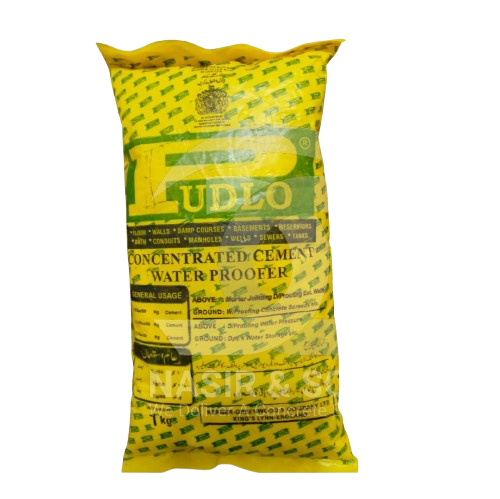
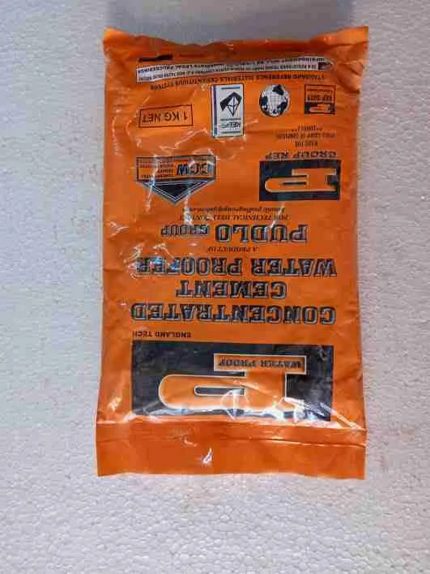
Water ingress and wall dampness remain among the most persistent challenges in Kenya’s construction industry, affecting both newly built and aging structures. In many homes across Nairobi, Ngong, Kiserian, and surrounding areas, homeowners often notice peeling paint, discolored plaster, and musty odors within a few years of construction. These symptoms are usually linked to moisture penetration through concrete and masonry walls. One of the most widely used solutions to this problem is pudlo cement Kenya, a specialized waterproofing additive designed to reduce water absorption in cementitious structures and extend the lifespan of buildings.
Understanding how pudlo waterproof cement works requires a closer look at how water interacts with concrete. Concrete may appear solid and impermeable, but at a microscopic level it contains a network of capillary pores. These pores allow moisture to travel through walls, especially in environments with heavy rainfall or poor drainage. Over time, this moisture accumulates, leading to damp patches, efflorescence, paint failure, and even structural weakening due to corrosion of embedded steel reinforcement.
In modern Kenyan construction practice, waterproofing is no longer treated as an optional finishing step. It is a core component of structural durability planning. Builders, contractors, and developers increasingly rely on cement waterproof additive solutions like pudlo cement Kenya to ensure that buildings remain dry, stable, and resistant to long-term environmental damage.
At Ngong Hills Merchants, waterproofing and construction durability solutions are integrated into a wider portfolio of building materials designed for both professional contractors and homeowners. You can explore our full range of construction essentials through ngonghillsmerchants or browse practical project materials via shop for immediate sourcing support.
Understanding Wall Dampness in Kenyan Buildings
Wall dampness is one of the most common structural complaints in Kenyan homes, especially in regions with seasonal heavy rainfall. It occurs when moisture penetrates building materials such as bricks, blocks, or concrete and becomes trapped within wall layers.
The main causes of damp walls include:
- Poor or missing waterproofing during construction
- Inadequate curing of concrete and plaster
- Cracked walls or structural settlement
- Capillary rise of groundwater from foundations
- Poor drainage around building perimeters
Once moisture enters a wall system, it tends to migrate upward or sideways, depending on environmental conditions. This leads to visible signs such as blistering paint, salt deposits, and weakening plaster.
Traditional surface coatings may temporarily hide these symptoms, but they do not address the underlying cause. This is where pudlo waterproof cement offers a more structural solution by reducing the ability of water to penetrate the concrete matrix itself.
For builders sourcing complementary materials used in wall finishing and repair, you can explore our adhesives and bonding products at adhesive and paints which play a supporting role in wall protection systems.
What Is Pudlo Cement and How It Works
Pudlo waterproof cement Kenya refers to a waterproofing admixture that is blended with cement, sand, and aggregates to reduce permeability in concrete and mortar. Unlike surface coatings that act externally, pudlo works internally by modifying the physical structure of cement as it cures.
When cement hydrates, it forms a hardened matrix with interconnected pores. Water can travel through these pores unless they are blocked or reduced in size. Pudlo additives function in three main ways:
First, they reduce capillary pore size by altering the hydration process. This creates a denser cement structure that restricts water movement.
Second, they introduce hydrophobic compounds that repel water molecules, preventing absorption into the wall system.
Third, they improve overall compaction and cohesion of the cement mix, reducing micro-cracks that often serve as entry points for moisture.
The result is a waterproof wall cement system that significantly reduces seepage and dampness over time.
In practical construction applications, pudlo is often used in plastering, screeding, and rendering works where wall protection is essential.
Why Wall Dampness Is a Serious Structural Problem
Many property owners underestimate wall dampness because it often begins as a cosmetic issue. However, untreated moisture penetration can lead to long-term structural damage.
When water enters walls, it carries dissolved salts that crystallize as moisture evaporates. This process, known as efflorescence, leads to surface staining and plaster breakdown.
More importantly, moisture can reach steel reinforcement bars inside concrete structures. Once steel begins to corrode, it expands, creating internal pressure that leads to cracking and spalling of concrete surfaces.
In extreme cases, prolonged dampness can compromise structural integrity and significantly reduce the lifespan of a building.
This makes the use of cement waterproof additive systems like pudlo cement Kenya not just a finishing choice, but a critical structural safeguard.
Application Areas of Pudlo Cement in Kenya
Pudlo waterproof cement is widely used across different construction applications in Kenya, depending on exposure levels and structural requirements.
In residential construction, it is commonly applied in internal and external plastering to prevent damp patches and paint failure. Bathrooms and kitchens benefit significantly from its moisture-resistant properties.
In commercial buildings, pudlo is used in basements, parking structures, and lift pits where groundwater exposure is high.
It is also widely used in water-retaining structures such as tanks, reservoirs, and swimming pools. These applications require a high level of impermeability to prevent leakage and contamination.
In foundation works, pudlo enhances resistance against rising damp from the soil, particularly in areas with high water tables.
To support such applications, construction professionals often rely on complementary materials such as plumbing systems available at plumbing and structural fittings found at fittings to ensure full system integrity.
Comparison: Pudlo Cement vs Surface Waterproofing
One of the most important distinctions in waterproofing is between integral and surface-based systems.
Surface waterproofing methods include paints, membranes, and coatings applied after construction. While these can provide temporary protection, they are vulnerable to wear, peeling, and mechanical damage over time.
Pudlo cement, on the other hand, is an integral waterproofing system. This means the protection is embedded within the cement structure itself.
Key differences include:
Durability: Pudlo-treated cement remains effective for the lifetime of the structure, while coatings degrade over time.
Maintenance: Surface systems require frequent reapplication, whereas pudlo systems require minimal maintenance.
Effectiveness: Internal waterproofing prevents hidden leaks within walls, while surface systems only protect outer layers.
Cost efficiency: Although initial costs may be slightly higher, long-term savings are significant due to reduced repair needs.
This is why many contractors in Kenya now prefer waterproof wall cement systems integrated at the mixing stage rather than relying solely on surface treatments.
Proper Mixing and Application Techniques
The effectiveness of pudlo cement Kenya depends heavily on correct application practices. Improper mixing can reduce its waterproofing efficiency.
For best results, pudlo should be thoroughly mixed with cement and sand before adding water. This ensures even distribution of waterproofing agents throughout the mixture.
The water-to-cement ratio should be carefully controlled, as excessive water can weaken the mix and reduce waterproofing performance.
Surface preparation is also critical. Walls should be clean, free from dust, oil, and loose particles before plastering begins.
Curing is another essential step. Proper curing allows the cement to hydrate fully and develop maximum strength and impermeability. In hot or dry conditions, walls should be kept moist for several days after application.
For contractors and DIY builders, quality tools and accessories can be sourced from hand-tools which support accurate and efficient application.
Cost Considerations and Value in Kenyan Construction
The cost of using pudlo cement in Kenya varies depending on project size, brand availability, and mixing ratios. However, it is generally considered an affordable waterproofing solution compared to more advanced membrane systems.
The real value lies in long-term savings. Repairing damp walls, repainting interiors, and fixing structural damage caused by moisture is significantly more expensive than preventive waterproofing during construction.
For developers and homeowners, investing in waterproofing at the early stages of construction ensures better property value and reduced maintenance costs over time.
Builders can compare material options and plan budgets effectively through shop where a wide range of construction materials is available.
Long-Term Performance and Maintenance
Once properly applied, pudlo cement requires very little maintenance. Unlike external coatings that degrade, internal waterproofing remains effective as long as the structure is intact.
However, building maintenance practices still play a role in long-term performance. Proper drainage around buildings, regular inspection of cracks, and timely repairs help maintain waterproofing effectiveness.
In Kenyan climates where rainfall patterns can be intense and unpredictable, combining good construction practices with quality materials is essential for long-term durability.
For project consultation and expert guidance, builders can reach out via contact-us for professional support.
Integration with Modern Building Systems
Modern construction in Kenya increasingly combines waterproofing systems with advanced building technologies such as reinforced framing, aluminum fittings, and high-performance adhesives.
For example, waterproof plastering systems are often integrated with structural finishes like aluminium-glass-fittings in modern architectural designs.
This integrated approach ensures that both structural and aesthetic components of a building contribute to overall moisture resistance.
At Ngong Hills Merchants, these systems are supported through a wide selection of construction materials available across categories such as glass and electrical ensuring builders can source complete project solutions in one place.
Choosing the Right Waterproofing Strategy
Selecting the right waterproofing solution depends on several factors including building type, exposure level, and budget constraints.
For general residential plastering, pudlo cement is often sufficient. For high-risk environments such as basements or water tanks, additional waterproofing systems may be required.
Contractors must also consider soil conditions, drainage systems, and structural design when planning waterproofing strategies.
A well-designed waterproofing system ensures that moisture is controlled at every level—from foundation to finishing.
Final Thoughts on Pudlo Cement in Kenya
Pudlo waterproof cement Kenya remains one of the most practical and widely used solutions for preventing wall dampness in the construction industry. Its ability to integrate directly into cement mixtures makes it an efficient and reliable method of structural waterproofing.
By addressing moisture penetration at the material level, it provides long-term protection against one of the most persistent challenges in Kenyan buildings. When combined with proper construction practices and quality materials, it significantly enhances durability, safety, and property value.
Your One-Stop Hardware Partner in Ngong
Imagine completing your project with the right tools, the best materials, and expert advice. At Ngong Hills Merchants, we turn your DIY or construction vision into reality with a complete selection of plumbing, electrical, glass, and sanitary ware.
Contact our team for a consultation and get the right supplies, right now.
QUALITY HARDWARE & SUPPLIES IN NGONG
Complete Range of Plumbing & Electrical
Power Tools, Adhesives & Paints
Glass, Framing & Sanitary Ware
Serving Kiserian, Ongata Rongai, Ngong Hills… & beyond.
Request Your Free Consultation: Ngong Hills Merchants
Email: ngonghillsmerchants [at] gmail.com
Phone: +254 715974811
Visit Us: Ngong Township, Ngong, Kenya
Website: https://ngonghillsmerchants.com/