
Blog
Bathroom Waterproofing Kenya Methods for Leak-Free Bathrooms

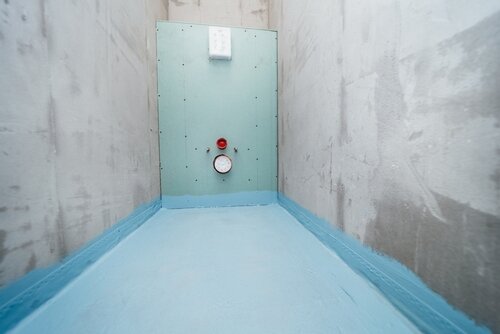
Bathroom and balcony leakage is one of the most common construction problems affecting homes and apartments across Kenya. From Nairobi high-rise developments to residential houses in Ngong, Kiserian, and Kiambu, water seepage in wet areas continues to damage floors, ceilings, and internal wall structures. Proper bathroom waterproofing Kenya solutions are therefore essential to ensure long-term durability, hygiene, and structural protection.
Bathrooms and balconies are constantly exposed to water. Unlike other parts of a building, these areas experience direct and continuous moisture exposure from daily use and rainfall. When waterproofing is not properly done during construction, water gradually penetrates through tiles, screeds, and concrete slabs, leading to damp patches, mold growth, and sometimes leakage into lower floors.
Modern construction in Kenya increasingly relies on waterproof cement additives and cement-based waterproofing compounds to create durable moisture barriers within bathroom and balcony structures. These systems are far more effective than surface coatings alone because they integrate waterproofing properties directly into the cement matrix.
At Ngong Hills Merchants, builders and homeowners can access a full range of waterproofing materials, construction additives, and building supplies through ngonghillsmerchants and source project-ready materials from shop for reliable construction solutions.
Why Bathroom Waterproofing Kenya Systems Are Essential
The importance of bathroom waterproofing Kenya solutions cannot be overstated in modern construction. Bathrooms are exposed to constant water flow from showers, sinks, and floor washing. Without proper waterproofing, this water easily penetrates tile joints and concrete surfaces.
Over time, moisture infiltration leads to:
- Tile lifting and loosening
- Damp ceiling stains in lower floors
- Mold and mildew growth
- Cracked grout lines
- Structural weakening of slabs
- Unpleasant odors and hygiene issues
Balconies face similar risks, especially when exposed to rainfall and poor drainage systems. Water accumulation on balcony floors can quickly seep into adjoining walls and interior rooms if waterproofing is inadequate.
This is why professional contractors increasingly use waterproof cement bathroom systems combined with chemical additives for long-lasting protection.
Builders can also source supporting construction materials such as adhesives and sealants through adhesive for improved waterproofing performance.
Understanding Waterproof Cement Bathroom Systems
Waterproof cement bathroom systems are designed to reduce the permeability of concrete and mortar used in wet areas. Cement naturally contains microscopic pores that allow water to pass through unless properly treated.
Waterproof additives Kenya solutions work by modifying the internal structure of cement during hydration. This reduces water absorption and increases density.
These systems typically work in three main ways:
- Blocking capillary pores within cement
- Reducing micro-crack formation in screeds and plaster
- Creating hydrophobic properties that repel water
Unlike surface paints or coatings, cement-based waterproofing becomes part of the structure itself, making it more durable and long-lasting.
For complete bathroom installation systems, homeowners can explore sanitary and plumbing solutions at sanitary-ware and plumbing
Step-by-Step Bathroom Waterproofing Kenya Process
Proper installation is critical for successful bathroom waterproofing Kenya systems. Even the best materials can fail if the application process is incorrect.
1. Surface Preparation
The first step involves cleaning the substrate thoroughly. All dust, oil, loose particles, and construction debris must be removed to ensure proper bonding of waterproof cement.
Any cracks should be repaired before waterproofing begins.
2. Mixing Cement with Waterproof Additives
Cement, sand, and waterproof additives are mixed according to manufacturer specifications. The goal is to ensure uniform distribution of waterproofing compounds throughout the mixture.
Correct water-to-cement ratio is essential to avoid weakening the mix.
3. Applying Waterproof Screed
A cement-based screed is applied to bathroom and balcony floors with proper slope direction toward drainage points. This ensures water does not pool on surfaces.
This step is critical for balcony waterproofing where rainwater accumulation is common.
4. Wall Plastering with Waterproof Cement
Walls exposed to water, especially around showers and sinks, should be plastered using waterproof cement bathroom mixtures to prevent seepage behind tiles.
5. Curing Process
Proper curing ensures maximum strength and waterproofing efficiency. The surface should be kept moist for several days to allow proper hydration.
Builders can use quality tools for application from hand-tools and power-tools
Balcony Waterproofing Challenges in Kenya
Balcony waterproofing is often overlooked during construction, yet it is one of the most vulnerable areas in a building.
Common balcony waterproofing problems include:
- Poor slope design causing water pooling
- Cracked screeds due to thermal expansion
- Inadequate drainage outlets
- Weak tile grouting
- Exposure to direct rainfall and UV damage
Without proper waterproofing, water can seep into adjacent rooms and cause serious structural damage over time.
Using waterproof additives Kenya systems in balcony screeds significantly reduces water penetration and enhances long-term durability.
For modern balcony designs, builders often combine waterproof systems with structural framing solutions available at framing
Waterproof Cement Bathroom vs Surface Coatings
One of the most important distinctions in waterproofing is between cement-based systems and surface coatings.
Cement-Based Waterproofing
- Integrated into concrete structure
- Long-lasting protection
- Resistant to wear and mechanical damage
- Ideal for hidden waterproofing layers
Surface Coatings
- Applied on top of finished surfaces
- Easier to install but less durable
- Requires periodic maintenance
- Can peel or wear over time
For bathroom waterproofing Kenya applications, cement-based systems are generally preferred because they provide structural protection rather than temporary surface sealing.
Common Mistakes in Bathroom Waterproofing Kenya Projects
Many waterproofing failures in Kenyan buildings are caused by poor workmanship rather than material failure.
Common mistakes include:
- Incorrect mixing ratios of additives
- Skipping surface preparation
- Poor slope design toward drainage
- Inadequate curing time
- Using low-quality cement or sand
- Ignoring wall waterproofing in wet zones
Avoiding these mistakes significantly improves waterproofing performance and reduces future repair costs.
Maintenance of Waterproof Bathrooms and Balconies
Properly installed waterproof systems require minimal maintenance, but regular inspection is still important.
Maintenance practices include:
- Checking grout lines for cracks
- Ensuring drainage outlets are clear
- Repairing surface damage early
- Monitoring ceiling areas below bathrooms
- Reapplying sealants where necessary
Early detection of minor issues prevents costly structural repairs later.
Cost Considerations for Waterproofing in Kenya
The cost of bathroom waterproofing Kenya systems depends on:
- Size of the bathroom or balcony
- Type of waterproof additive used
- Quality of cement and materials
- Labour and workmanship quality
While cement-based waterproofing may slightly increase initial construction costs, it significantly reduces long-term repair expenses caused by leaks and moisture damage.
Builders can compare materials and plan budgets through shop
Choosing the Right Waterproofing Strategy
Selecting the right waterproofing approach depends on project type and exposure level.
For bathrooms:
- Cement-based waterproof screeds are ideal
- Wall plastering should include waterproof additives
- Tile grouting should be moisture-resistant
For balconies:
- Proper slope design is essential
- Waterproof screeds must be reinforced
- Drainage systems must be well-planned
Combining these elements ensures long-term durability and leak-free performance.
For modern architectural finishing systems, builders can also explore glass-windows-and-partitions-in-kenya and hardware-fittings-glass-doors-partitions
Bathroom waterproofing Kenya solutions are essential for protecting homes and buildings from moisture damage, especially in high-use wet areas like bathrooms and balconies. By using cement-based waterproof additives, proper installation techniques, and quality construction materials, homeowners can significantly reduce the risk of leakage, dampness, and structural deterioration.
When correctly implemented, waterproof cement bathroom systems provide long-term protection, improved hygiene, and increased property value. In Kenya’s growing construction sector, investing in proper waterproofing during the building stage remains one of the most cost-effective ways to ensure durable and leak-free structures.
Your One-Stop Hardware Partner in Ngong
Imagine completing your project with the right tools, the best materials, and expert advice. At Ngong Hills Merchants, we turn your DIY or construction vision into reality with a complete selection of plumbing, electrical, glass, and sanitary ware.
Contact our team for a consultation and get the right supplies, right now.
QUALITY HARDWARE & SUPPLIES IN NGONG
Complete Range of Plumbing & Electrical
Power Tools, Adhesives & Paints
Glass, Framing & Sanitary Ware
Serving Ngong, Karen, Matasia, Kiserian & beyond.
Request Your Free Consultation: Ngong Hills Merchants
Email: ngonghillsmerchants [at] gmail.com
Phone: +254 715974811
Visit Us: Ngong Township, Ngong, Kenya
Website: https://ngonghillsmerchants.com/

Build with Confidence. Offering reliable tools and materials, Ngong Hill Merchants is committed to supporting your projects with excellence and integrity.
Contact Us



Copyright © 2025 Ngong Hills Merchants Powered By Twinfusion.