Blog
Best Water Tank Waterproofing Products in Kenya | Ultimate Guide

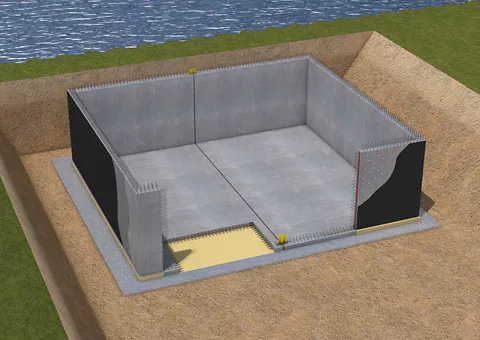
Water storage is one of the most critical components of both residential and commercial construction across Kenya, and yet it is also one of the most frequently compromised systems when waterproofing is not properly handled. Water tank waterproofing Kenya is therefore not simply a finishing task at the end of construction—it is a structural necessity that determines whether a tank will serve reliably for decades or begin leaking within the first few years of use. In regions where water scarcity is a recurring challenge, the integrity of storage tanks directly impacts household stability, agricultural productivity, and commercial operations.
Concrete remains the most common material used for water tanks in Kenya due to its affordability, strength, and adaptability. However, concrete is inherently porous. Without proper treatment, it allows water to seep through microscopic capillaries, especially under constant hydrostatic pressure. Over time, this leads to damp patches, visible cracks, algae growth, and eventually structural failure. This is why selecting the right waterproofing system is essential for long-term performance.
At Ngong Hills Merchants, water tank waterproofing is approached from a contractor’s perspective—focusing not only on products but on how materials interact within a full construction system. Whether building a new tank or repairing an existing one, success depends on selecting the right combination of additives, coatings, tools, and finishing systems.
Understanding Water Tank Failures in Kenya
Before selecting any water tank waterproofing system, it is important to understand why tanks fail in the first place. Most failures in water tank waterproofing Kenya projects are not caused by a single factor but by a combination of design, material, and workmanship issues.
One of the most common problems is shrinkage cracking. As concrete cures, it loses moisture and slightly contracts. If curing is not properly managed, micro-cracks form on the surface. These cracks may be invisible at first but become active leakage channels once the tank is filled with water.
Another major issue is poor concrete mix design. Low cement content, excessive water in the mix, or poor-quality aggregates increase porosity. This results in weak concrete that cannot resist continuous water pressure. Over time, seepage begins at the weakest points.
Structural movement also plays a role. Ground settlement, thermal expansion, and load changes can cause stress on rigid concrete walls. Without flexible waterproofing systems, these stresses translate into cracking and leakage.
Finally, poor workmanship during plastering and curing remains one of the biggest contributors to tank failure in Kenya. Even high-quality materials will fail if they are not applied correctly.
Cement-Based Waterproofing Additives: The Foundation Layer
One of the most widely used solutions for waterproof cement tanks is cement-based waterproofing additives. These materials are mixed directly into cement or mortar during construction, altering the internal structure of concrete to reduce permeability.
These additives work by blocking capillaries and reducing the size of pores within the concrete matrix. Instead of water flowing freely through interconnected voids, the structure becomes denser and more resistant to pressure.
In practical construction terms, these additives are ideal for new tank construction or major structural repairs. They are added at the mixing stage, ensuring that waterproofing becomes part of the concrete itself rather than a surface layer.
However, their effectiveness depends heavily on correct dosage and mixing consistency. Too little additive results in weak protection, while excessive use can affect bonding strength. This is why contractors often rely on established material guidelines and supplier recommendations when working on large-scale projects.
For supporting construction materials and system integration, professionals often source complementary products from our plumbing supplies collection, ensuring that the entire water system—from storage to distribution—is properly aligned.
Crystalline Waterproofing: Self-Healing Technology
A more advanced solution in modern water tank waterproofing Kenya systems is crystalline waterproofing technology. Unlike traditional additives, crystalline systems work through a chemical reaction that occurs within the concrete structure.
When introduced into concrete, these materials react with moisture and unhydrated cement particles to form insoluble crystals. These crystals grow within capillary pores and micro-cracks, effectively blocking water pathways.
What makes this system particularly valuable is its ability to self-seal minor cracks over time. If new micro-cracks form due to structural movement, moisture triggers additional crystal growth, sealing the damage automatically.
This makes crystalline water tank waterproofing ideal for underground tanks, reservoirs, and high-pressure storage systems where long-term durability is critical.
However, crystalline systems are typically more expensive than standard additives, making them more suitable for commercial and institutional projects rather than small domestic tanks.
Cementitious Waterproofing Coatings: Surface Protection Layer
While additives work internally, cementitious coatings provide external protection. These are applied to the internal surfaces of cured concrete tanks to form a protective waterproof barrier.
In tank leak repair Kenya projects, cementitious coatings are often the first line of defense when visible leakage has already occurred. They are applied in multiple layers using brushes or trowels, creating a thick, durable membrane that bonds strongly to concrete surfaces.
These coatings are particularly effective because they combine the strength of cement with polymer flexibility. This allows them to withstand minor structural movement without cracking.
Surface preparation is critical. The concrete must be clean, free of dust, and slightly damp before application. Multiple coats are usually required to achieve full waterproofing performance, with proper curing time between layers.
For application efficiency, contractors often rely on durable tools from our hand tools category, which support precise mixing, spreading, and finishing.
Waterproofing for Repair and Leak Correction
In many Kenyan households and institutions, water tank waterproofing is not done during construction but after leakage has already started. This is where repair systems become essential.
Leak repair typically involves identifying the source of leakage, cleaning the affected area, and applying either a patching mortar or waterproof sealant. Small cracks are often filled using cement-based repair compounds, while larger structural leaks may require a combination of sealing and coating systems.
In cases where water is actively penetrating the structure, fast-setting repair mortars are used to temporarily block leaks before full waterproofing is applied.
For stronger adhesion during repair work, contractors often depend on materials from our adhesives and bonding solutions range, which enhance bonding strength between old and new concrete layers.
Surface Preparation and Structural Reinforcement
Surface preparation is one of the most overlooked yet most important stages in water tank waterproofing. Without proper preparation, even the best materials will fail prematurely.
Preparation involves removing loose particles, cleaning algae or contaminants, and repairing cracks or voids before applying any waterproofing system. In some cases, mechanical roughening is required to improve adhesion.
For structural reinforcement or anchor installations, especially in large tanks or reservoirs, drilling may be necessary. This is where precision tools from our drill bits and accessories range become essential.
Proper preparation ensures that waterproofing layers bond effectively to the substrate, reducing the risk of delamination or early failure.
Protective Coatings and Long-Term Maintenance
Once water tank waterproofing has been completed, additional surface protection can significantly extend the lifespan of the system. Protective paints and coatings act as a secondary barrier against moisture penetration and environmental wear.
In many water tank waterproofing Kenya applications, these coatings are applied as a final layer after cementitious systems have cured. They help prevent surface erosion and reduce the risk of future micro-cracking.
Maintenance is equally important. Tanks should be inspected periodically for early signs of wear, including hairline cracks, discoloration, or damp patches. Early intervention prevents small issues from becoming major structural failures.
For finishing and protective systems, contractors often rely on products from our paints and surface coatings category, which provide additional durability and aesthetic finishing.
Cost Considerations in Waterproofing Projects
The cost of water tank waterproofing in Kenya varies depending on the size of the tank, the materials used, and the complexity of the repair or construction work. Cement additives are generally the most affordable option, making them ideal for small residential tanks.
Crystalline systems and advanced coatings are more expensive but provide significantly higher durability and long-term performance. While the initial investment may be higher, they often reduce maintenance costs over time.
Labor quality also plays a significant role in cost. Skilled application ensures that materials perform as intended, reducing the likelihood of rework or failure.
Integrating Waterproofing into Complete Construction Systems
Modern construction projects increasingly treat water tank waterproofing as part of a broader system rather than an isolated task. Water storage must integrate seamlessly with plumbing, structural design, and finishing systems.
For this reason, contractors often source materials holistically from trusted suppliers. A complete approach ensures compatibility between water tank waterproofing systems, plumbing installations, and structural components.
For full project sourcing and material selection, professionals frequently use our shop page to access a wide range of construction materials in one place.
Additional company information, project support, and consultation services are available through our about us page and contact page for tailored waterproofing guidance.
Final Professional Insight
Effective water tank waterproofing Kenya is not achieved through a single product but through a system of compatible materials, correct application methods, and long-term maintenance. Whether using cement additives, crystalline systems, or protective coatings, success depends on understanding how each layer contributes to overall performance.
In Kenya’s growing construction environment, where water security is increasingly important, investing in proper waterproofing is not optional—it is essential infrastructure planning.
Your One-Stop Hardware Partner in Ngong
Imagine completing your project with the right tools, the best materials, and expert advice. At Ngong Hills Merchants, we turn your DIY or construction vision into reality with a complete selection of plumbing, electrical, glass, and sanitary ware.
Contact our team for a consultation and get the right supplies, right now.
QUALITY HARDWARE & SUPPLIES IN NGONG
Complete Range of Plumbing & Electrical
Power Tools, Adhesives & Paints
Glass, Framing & Sanitary Ware
Serving Ngong, Karen, Matasia, Kiserian & beyond.
Request Your Free Consultation: Ngong Hills Merchants
Email: ngonghillsmerchants [at] gmail.com
Phone: +254 715974811
Visit Us: Ngong Township, Ngong, Kenya
Website: https://ngonghillsmerchants.com/