
Blog
Fiberglass Mesh Tape Uses in Kenya for Strong Drywall Joints | Ngong Hills Merchants

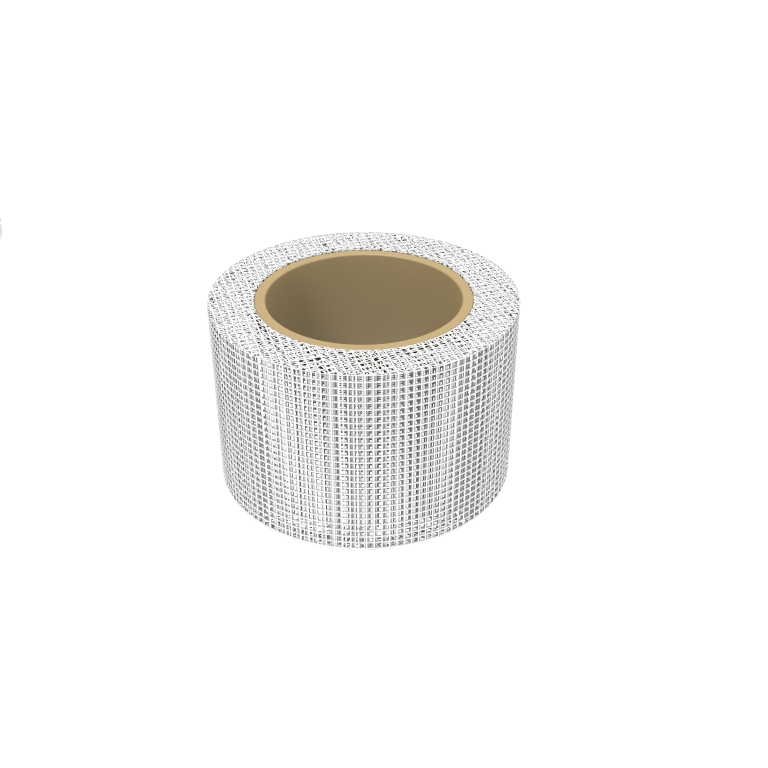
In modern interior construction, achieving smooth, crack-free, and durable wall surfaces is a key priority for contractors and property owners. One of the most critical yet often underestimated components in this process is mesh tape Kenya professionals rely on during drywall installations. Specifically, fiberglass mesh tape plays a central role in reinforcing joints between drywall boards, preventing cracks, and ensuring long-lasting plaster finishes.
Whether working on residential homes, commercial offices, or large-scale developments, the quality of wall finishing materials Kenya builders use directly affects the durability, appearance, and maintenance needs of the building. Fiberglass mesh tape has become a standard solution in professional drywall systems due to its strength, flexibility, and compatibility with modern joint compounds.
At Ngong Hills Merchants, construction professionals increasingly recognize that successful wall finishing is not just about plaster or paint—it is about the hidden reinforcement systems beneath the surface. Fiberglass mesh tape is one of those critical systems that determines whether a wall remains flawless or develops cracks over time.
Drywall systems have transformed modern construction by offering faster, cleaner, and more flexible interior partitioning compared to traditional masonry walls. However, drywall panels naturally have joints where boards meet, and these joints are structurally vulnerable. Without proper reinforcement, these weak points are prone to cracking, especially due to temperature changes, building movement, and settling of structures.
This is where fiberglass mesh tape becomes essential. It is applied over joints between drywall sheets before the application of joint compound. The tape acts as a stabilizing bridge, distributing stress evenly across the surface and preventing localized cracking.
Unlike paper tape, fiberglass mesh tape is self-adhesive and easier to install, making it especially popular among contractors handling large-scale projects where efficiency and consistency are important. Its open-weave structure allows joint compound to penetrate through the mesh, creating a strong mechanical bond between the boards.
Understanding the Role of Fiberglass Mesh Tape in Drywall Systems
To fully appreciate why mesh tape Kenya contractors prefer fiberglass variants, it is important to understand how drywall systems function. Drywall boards are typically made of gypsum pressed between paper layers. While strong in compression, the joints between boards are inherently weak points.
When two drywall sheets are joined, a gap or seam exists between them. If left untreated or improperly reinforced, this seam will eventually become visible as a crack on the finished wall. This is particularly common in buildings exposed to humidity changes, vibrations, or structural movement.
Fiberglass mesh tape reinforces this seam by creating a composite layer between the boards and the joint compound. Once embedded, it forms part of the wall system itself, reducing movement and improving overall structural integrity of the finish.
Professionals sourcing reliable materials often combine mesh tape with other finishing systems available through our drywall and hand tools collection, ensuring consistency across every stage of installation.
Why Fiberglass Mesh Tape Is Preferred Over Paper Tape
In the construction industry, both fiberglass mesh tape and paper tape are used for drywall finishing, but each has distinct advantages. Fiberglass mesh tape has become increasingly popular in Kenya due to its ease of use and superior resistance to cracking in certain conditions.
One of its main advantages is self-adhesion. Unlike paper tape, which requires a base layer of joint compound to hold it in place, fiberglass mesh tape sticks directly to the drywall surface. This simplifies installation and reduces labor time.
Another major advantage is its resistance to moisture. In environments where humidity levels fluctuate, paper tape can weaken or bubble over time. Fiberglass mesh tape maintains its integrity even in slightly damp conditions, making it suitable for bathrooms, kitchens, and exterior-facing walls.
However, it is important to note that mesh tape requires proper embedding with joint compound to achieve maximum strength. If not properly covered, the mesh pattern may remain visible after painting.
Contractors working on finishing systems often pair mesh tape with high-quality adhesives and compounds sourced from our adhesives and bonding materials range to ensure optimal performance.
Crack Prevention and Structural Stability
The primary function of fiberglass mesh tape is crack prevention. In drywall systems, cracks typically form at joints due to slight structural movements, thermal expansion, or improper installation techniques.
When mesh tape is applied correctly, it distributes stress across a wider area instead of allowing it to concentrate at a single seam. This reduces the likelihood of visible cracks forming on painted surfaces.
In Kenya’s diverse climate conditions—ranging from humid coastal regions to cooler highland areas—buildings often experience expansion and contraction cycles. These cycles place stress on wall joints, making reinforcement essential.
Fiberglass mesh tape acts as a stabilizing layer that absorbs and redistributes these stresses, ensuring long-term surface integrity. This is especially important in high-traffic commercial buildings where walls are exposed to constant vibration and minor impacts.
Application Process in Professional Drywall Installation
The installation of mesh tape Kenya professionals use follows a structured process to ensure durability and finish quality. First, drywall boards are fixed securely to framing systems using screws or fasteners. Once the boards are installed, joints are cleaned to remove dust or debris.
Next, fiberglass mesh tape is applied directly over the seam. Its adhesive backing allows it to stick firmly without additional support. After placement, joint compound is applied over the tape, pressing it into the mesh so that it fully embeds within the compound layer.
Once the first coat dries, additional layers of compound are applied to smooth the surface and blend the joint seamlessly with the surrounding wall. Sanding is then performed to achieve a uniform finish ready for painting or decorative treatment.
For contractors seeking reliable installation tools and accessories, our construction finishing tools provide essential equipment for efficient drywall work.
Material Composition and Technical Properties
Fiberglass mesh tape is manufactured using woven fiberglass strands arranged in a grid pattern. This structure provides high tensile strength while maintaining flexibility for easy application.
The adhesive backing is designed to maintain grip on drywall surfaces during installation, even before compound application. The mesh openings allow plaster or joint compound to pass through, forming a mechanical lock once hardened.
This combination of properties makes fiberglass mesh tape highly resistant to tearing, shrinking, and deformation. Unlike traditional materials, it does not degrade easily over time when properly installed.
Its chemical resistance also ensures compatibility with most modern joint compounds and plastering materials used in construction finishing systems.
Cost Considerations and Value Efficiency
From a cost perspective, fiberglass mesh tape is a highly efficient investment. While it may be slightly more expensive than paper alternatives, it significantly reduces long-term maintenance costs by preventing cracks and minimizing repair work.
In construction projects where timelines and labor efficiency are critical, mesh tape reduces installation time due to its self-adhesive nature. This translates into lower labor costs and faster project completion.
When evaluated over the lifespan of a building, the cost of preventive reinforcement is far lower than recurring repair work caused by poor joint finishing.
Compatibility with Other Wall Finishing Systems
Fiberglass mesh tape is not used in isolation. It is part of a broader wall finishing system that includes joint compounds, primers, paints, and surface coatings.
Its compatibility with plaster and gypsum-based compounds makes it suitable for a wide range of interior finishing applications. It works effectively with both manual and machine-applied plaster systems.
Contractors often combine it with other wall finishing materials Kenya professionals use to ensure consistent surface quality across different project types.
For example, in multi-room developments, mesh tape ensures uniform finishing standards across all walls, reducing variation in surface quality.
Common Installation Mistakes to Avoid
Despite its ease of use, improper application of fiberglass mesh tape can lead to visible defects. One common mistake is failing to fully embed the tape within the joint compound. If the mesh remains exposed, it may show through paint layers.
Another issue is applying insufficient compound layers. Proper finishing requires multiple coats to fully integrate the tape into the wall surface.
Dust or debris on drywall surfaces before application can also reduce adhesion, leading to weak bonding and potential peeling.
Professional contractors minimize these risks by following standardized installation procedures and using high-quality tools sourced from trusted suppliers like Ngong Hills Merchants.
Maintenance and Long-Term Performance
Once installed correctly, fiberglass mesh tape requires no direct maintenance. Its role is embedded within the wall system, providing passive reinforcement throughout the structure’s lifespan.
However, the overall durability of the wall depends on proper surface maintenance, including repainting when necessary and repairing any external damage that may affect the plaster layer.
In high-moisture areas, ensuring proper ventilation and waterproofing further enhances the longevity of drywall systems reinforced with mesh tape.
Fiberglass mesh tape has become an essential component in modern drywall installation because it directly addresses one of the most common construction challenges: joint cracking. Its strength, ease of use, and compatibility with modern finishing systems make it a preferred choice for professionals across Kenya.
As construction standards continue to rise, the importance of reliable reinforcement materials becomes even more significant. Contractors and homeowners who prioritize quality finishing materials Kenya-wide increasingly turn to trusted suppliers to ensure consistency and durability in their projects.
Your One-Stop Hardware Partner in Ngong
Imagine completing your project with the right tools, the best materials, and expert advice. At Ngong Hills Merchants, we turn your DIY or construction vision into reality with a complete selection of plumbing, electrical, glass, and sanitary ware.
Contact our team for a consultation and get the right supplies, right now.
QUALITY HARDWARE & SUPPLIES IN NGONG ✔ Complete Range of Plumbing & Electrical ✔ Power Tools, Adhesives & Paints ✔ Glass, Framing & Sanitary Ware ✔ Serving Ngong, Karen, Matasia, Kiserian & beyond.
Request Your Free Consultation: Ngong Hills Merchants
Email: ngonghillsmerchants [at] gmail.com
Phone: +254 715974811
Visit Us: Ngong Township, Ngong, Kenya
Website: https://ngonghillsmerchants.com/

Build with Confidence. Offering reliable tools and materials, Ngong Hill Merchants is committed to supporting your projects with excellence and integrity.
Contact Us



Copyright © 2025 Ngong Hills Merchants Powered By Twinfusion.