
Blog
Generators Kenya:Essential Buying Tips for Reliable Power

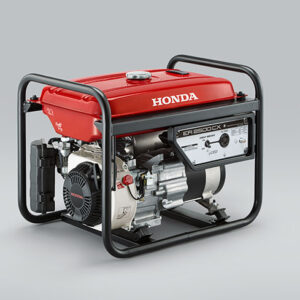
Reliable electricity is essential for homes, businesses, construction sites, and commercial operations. Power interruptions can affect productivity, damage sensitive equipment, and disrupt daily activities. Investing in quality Generators Kenya customers rely on is one of the most practical ways to maintain continuous power when the main electricity supply is unavailable.
Generators provide backup electricity by converting fuel energy into electrical power, allowing essential appliances, tools, and equipment to continue operating during outages. However, choosing the right generator requires careful consideration of power requirements, fuel type, capacity, efficiency, and intended use.
Many buyers make the mistake of selecting a generator based only on price or physical size. A generator that is too small may fail to support required equipment, while an oversized unit may increase fuel consumption unnecessarily.
This guide explains the important factors to consider when buying a generator, how to calculate your power needs, and how to select a reliable backup power solution for your home, business, or project.
Why Choosing the Right Generators Kenya Matters
A generator is a long-term investment. The right model should provide dependable performance while matching your specific energy requirements.
A suitable generator offers:
- Reliable backup electricity
- Improved productivity during outages
- Protection for important equipment
- Better fuel efficiency
- Long-term cost savings
Choosing the wrong generator can result in:
- Overloading
- Frequent breakdowns
- High fuel costs
- Poor equipment performance
Understanding your power requirements before purchasing is the first step toward making the right decision.
Generators Kenya Guide: Understanding Generator Capacity
Generator capacity is measured in watts (W) or kilowatts (kW). This indicates how much electrical power the generator can provide.
Before buying, identify the equipment you want to operate.
Common power requirements include:
Home Appliances
Examples include:
- Lights
- Refrigerators
- Televisions
- Fans
- Computers
Business Equipment
Businesses may require power for:
- Computers
- Security systems
- Point-of-sale machines
- Office equipment
Construction Tools
Construction sites may need generators for:
- Drills
- Grinders
- Cutting equipment
- Other power tools
For professional equipment requirements, customers can also learn more about our power tools.
9 Essential Tips When Buying Generators Kenya
1. Calculate Your Power Requirements
The first step is determining how much power you need.
Make a list of:
- Equipment to run
- Starting power requirements
- Total wattage needed
Some equipment requires more power when starting than during normal operation.
A proper calculation helps prevent:
- Generator overload
- Unexpected shutdowns
- Equipment damage
2. Choose the Correct Generator Size
Generators come in different capacities.
Small generators may be suitable for:
- Basic home backup
- Lighting
- Small appliances
Larger generators may be required for:
- Businesses
- Workshops
- Construction projects
Choosing the correct size improves efficiency and performance.
3. Consider Fuel Type
Most commonly available generators use:
- Petrol
- Diesel
Petrol Generators
Advantages include:
- Easy availability
- Lower initial cost
- Suitable for smaller applications
They are commonly used for:
- Homes
- Small businesses
- Occasional backup power
Diesel Generators
Advantages include:
- Strong durability
- Better fuel efficiency for heavy use
- Suitable for demanding applications
They are commonly used for:
- Commercial operations
- Construction sites
- Industrial applications
4. Consider Portability
Portable generators are useful when power needs change between locations.
They are suitable for:
- Small projects
- Outdoor activities
- Emergency backup
Features to consider include:
- Weight
- Wheels
- Handle design
- Ease of movement
5. Check Fuel Efficiency
Fuel consumption affects long-term operating costs.
A fuel-efficient generator provides:
- Lower running expenses
- Longer operation time
- Better value
Compare:
- Fuel usage rates
- Tank capacity
- Expected operating hours
6. Look at Noise Levels
Generator noise can be a concern, especially in residential areas.
Consider:
- Noise ratings
- Installation location
- Operating environment
Some generators are designed with features that reduce operating noise.
7. Choose Reliable Brands and Quality Construction
A generator should withstand regular use.
Important quality factors include:
- Strong engine construction
- Reliable components
- Durable frame
- Good ventilation
Quality products often provide better performance over time.
8. Consider Maintenance Requirements
Generators require regular maintenance to operate efficiently.
Maintenance may include:
- Oil changes
- Filter replacement
- Engine checks
- Cleaning
Choose a generator that is easy to maintain and supported by available spare parts.
9. Buy From a Trusted Supplier
A reliable supplier helps customers select suitable equipment.
Benefits include:
- Product guidance
- Quality assurance
- Technical support
- Access to accessories
Working with an experienced supplier reduces the risk of choosing an unsuitable generator.
Types of Generators Kenya Buyers Commonly Choose
Portable Generators
Portable models are popular because they are flexible and easy to move.
They are suitable for:
- Homes
- Small shops
- Temporary projects
Standby Generators
These provide automatic backup power solutions.
They are commonly used for:
- Offices
- Institutions
- Large properties
Inverter Generators
These provide cleaner power output and are suitable for sensitive electronics.
Common applications include:
- Computers
- Communication equipment
- Small electronic devices
Generator Applications in Different Settings
Homes
Homeowners use generators to maintain essential services during outages.
Common uses include:
- Lighting
- Refrigeration
- Security systems
- Communication devices
Businesses
Businesses depend on reliable power to continue operations.
Generators support:
- Customer service
- Equipment operation
- Security systems
- Office activities
Construction Sites
Construction projects often require temporary power solutions.
Generators help operate:
- Power tools
- Lighting systems
- Equipment
Reliable electricity helps prevent delays and improves productivity.
Electrical Accessories Needed for Generator Installation
A generator setup may require additional electrical materials.
These include:
- Cables
- Switches
- Connectors
- Protection devices
For electrical installation materials, customers can browse our electrical fittings.
Proper electrical connections improve safety and performance.
Common Generator Buying Mistakes
Buying Without Calculating Power Needs
A generator should match your actual requirements.
Avoid guessing capacity.
Choosing Only Based on Price
The cheapest option may not provide the best long-term value.
Consider:
- Quality
- Reliability
- Maintenance support
Ignoring Installation Requirements
A generator should be installed correctly to operate safely.
Consider:
- Ventilation
- Electrical connections
- Safe placement
Maintaining Generators for Long-Term Performance
Proper maintenance extends generator lifespan.
Important practices include:
Regular Servicing
Follow recommended maintenance schedules.
Keep Fuel Systems Clean
Clean fuel systems improve reliability.
Store Properly
Protect generators from:
- Moisture
- Dust
- Extreme weather exposure
How Backup Power Improves Property Value and Productivity
Reliable electricity supports modern living and business operations.
Benefits include:
- Reduced downtime
- Improved convenience
- Better business continuity
- Increased property functionality
For commercial properties, backup power can be a valuable operational advantage.
Why Buy Generators Kenya Products From a Trusted Hardware Supplier?
Choosing the right supplier ensures access to quality equipment and expert advice.
A professional supplier helps customers:
- Compare generator options
- Understand technical requirements
- Select suitable accessories
- Plan installation needs
This makes the buying process easier and more reliable.
Final Thoughts
Choosing the right Generators Kenya solution requires careful planning and understanding of your power requirements.
From portable petrol generators for homes to heavy-duty backup systems for businesses and construction sites, the right generator provides dependable electricity when it is needed most.
By considering capacity, fuel efficiency, maintenance needs, and supplier reliability, customers can make a smarter investment that delivers long-term value.
Reliable power starts with choosing the right equipment from a trusted source.
Your One-Stop Hardware Partner in Ngong
Imagine completing your project with the right tools, the best materials, and expert advice. At Ngong Hills Merchants, we turn your DIY or construction vision into reality with a complete selection of plumbing, electrical, glass, and sanitary ware.
Contact our team for a consultation and get the right supplies, right now.
QUALITY HARDWARE & SUPPLIES IN NGONG ✔ Complete Range of Plumbing & Electrical ✔ Power Tools, Adhesives & Paints ✔ Glass, Framing & Sanitary Ware ✔ Serving Ngong, Karen, Matasia, Kiserian & beyond.
Request Your Free Consultation: Ngong Hills Merchants
Email: ngonghillsmerchants [at] gmail.com
Phone: +254 715974811
Visit Us: Ngong Township, Ngong, Kenya
Website: https://ngonghillsmerchants.com/

Build with Confidence. Offering reliable tools and materials, Ngong Hill Merchants is committed to supporting your projects with excellence and integrity.
Contact Us



Copyright © 2025 Ngong Hills Merchants Powered By Twinfusion.