Blog
How to Choose the Right Nails, Screws & Fasteners in Kenya

How to Choose the Right Nails, Screws & Fasteners for Each Project
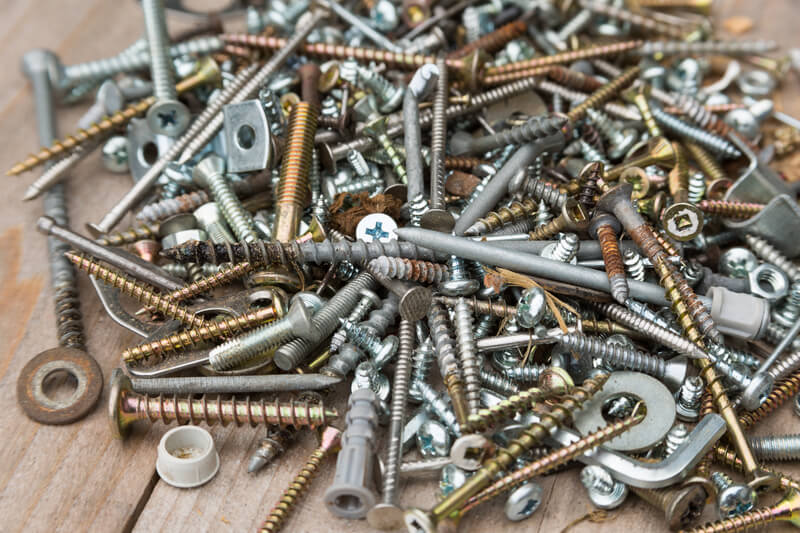
Choosing the correct nails, screws & fasteners in Kenya is one of the most underestimated decisions in construction, renovation, and DIY work. While fasteners may appear small and inexpensive, they play a critical structural role. The wrong choice can lead to weak joints, creaking structures, corrosion, cracked materials, or complete failure over time. The right choice, on the other hand, ensures strength, durability, safety, and a professional finish that lasts for years.
In many projects, fasteners are the only elements holding materials together. From timber framing and roofing to cabinetry, plumbing brackets, glass fittings, and electrical installations, fasteners determine whether components stay secure under load, vibration, moisture, and daily use. Yet many people select nails or screws based on habit, price, or guesswork rather than engineering logic.
At Ngong Hills Merchants, we regularly see projects fail not because of poor materials, but because of incorrect fasteners. Understanding how to choose nails, screws & fasteners in Kenya requires knowing the material being joined, the forces involved, environmental conditions, and long-term performance expectations. This guide explains these factors clearly and practically, helping beginners and experienced builders alike make confident decisions.
Understanding the Role of Fasteners in Construction
Fasteners serve one primary purpose: to join materials securely. However, how they achieve this varies widely. Some fasteners rely on friction, others on threading, and others on expansion or chemical bonding. Choosing the correct fastener ensures that joints resist pulling apart, sliding, vibration, and environmental stress.
In structural applications such as framing or decking, fasteners must carry load and resist movement. In finishing applications like cabinetry or fittings, precision and appearance matter more. In wet areas, corrosion resistance becomes critical. This diversity of requirements explains why no single nail or screw works for every project.
Fasteners must also work in harmony with surrounding materials. Wood expands and contracts, metal conducts heat, concrete is brittle, and plastics deform under stress. The right fastener accommodates these behaviors rather than fighting them.
When sourcing fasteners, many customers explore our extensive range of hardware supplies to match fastener type with application rather than relying on generic options.
Nails vs Screws: Knowing When to Use Each
One of the most common questions is whether to use nails or screws. Both have strengths, but their performance differs significantly.
Nails are designed to resist shear forces. They bend slightly under stress rather than snapping, which makes them ideal for framing, roofing, and applications where materials move. Nails are faster to install and often used where speed matters more than removability.
Screws excel at resisting pull-out forces. Their threaded design grips materials tightly, making them ideal for applications where joints must remain rigid. Screws are commonly used in decking, cabinetry, furniture, and fixtures where precision and long-term tightness matter.
In many modern projects, screws are replacing nails due to improved strength, ease of removal, and consistency. However, nails still outperform screws in certain structural scenarios. Understanding this balance prevents overengineering or underperformance.
Types of Nails and Their Applications
Not all nails are the same. Nail selection depends on material, load, and environment.
Common wire nails are widely used in timber construction and general carpentry. They provide good shear resistance and are cost-effective for framing and rough work.
Finishing nails are thinner and designed to minimize surface damage. They are used in trim work, moldings, and decorative applications where appearance matters.
Roofing nails feature wide heads to hold roofing sheets securely. They often come with corrosion-resistant coatings to withstand weather exposure.
Concrete nails are hardened for use in masonry and concrete. They require careful installation to avoid cracking brittle surfaces.
For heavy-duty applications, steel nails such as steel nail 4 inch are used where strength and durability are critical.
Choosing the wrong nail type leads to splitting timber, loosening joints, or corrosion-related failure. Nail size, length, and coating must align with project demands.
Types of Screws and Their Uses
Screws offer greater variety than nails, each type designed for specific materials and loads.
Wood screws feature coarse threads that grip timber effectively. They are ideal for joining wood to wood or wood to composite materials.
Metal screws have finer threads designed to cut into metal surfaces. They are commonly used in steel framing, electrical fittings, and appliance installation.
Self-tapping screws eliminate the need for pre-drilling in thin materials. They are efficient but must be used correctly to avoid stripping threads.
Drywall screws are optimized for gypsum boards and light framing. They are not suitable for structural loads despite their widespread use.
Machine screws are used with nuts or threaded holes in metal assemblies and fittings.
Selecting the correct screw length and diameter ensures adequate grip without damaging materials. Screws that are too short pull out easily, while oversized screws cause splitting or distortion.
When installing fixtures, brackets, or fittings from our range of hand tools, screw selection directly affects alignment and stability.
Understanding Fastener Materials and Coatings
Fastener material determines strength, corrosion resistance, and compatibility.
Steel fasteners are strong and affordable but prone to rust if uncoated. They are suitable for indoor applications.
Galvanized fasteners feature a zinc coating that protects against corrosion. They are commonly used outdoors and in humid environments.
Stainless steel fasteners offer excellent corrosion resistance and are ideal for coastal areas, bathrooms, kitchens, and exterior applications.
Brass fasteners are corrosion-resistant and decorative but weaker than steel. They are used in light-duty or aesthetic applications.
Fastener coatings matter just as much as base material. Improper coating selection leads to rust stains, joint failure, and weakened structures over time.
This consideration is especially important in wet areas or installations involving plumbing systems sourced from our range of plumbing supplies.
Fasteners for Wood Projects
Wood is a living material that expands and contracts with humidity and temperature. Fasteners must accommodate this movement.
For structural timber, nails or structural screws are preferred. For decking, screws provide better long-term stability and ease of maintenance.
Pre-drilling is often necessary to prevent splitting, especially near edges. Using washers distributes load and reduces surface damage.
Fasteners must be long enough to penetrate both materials adequately but not so long that they protrude dangerously.
Selecting the right fasteners ensures that wooden structures remain tight, quiet, and safe over time.
Fasteners for Metal and Steel Structures
Metal structures require fasteners that match hardness and thickness.
Self-drilling screws simplify installation in light-gauge steel. For thicker metal, pre-drilled holes and machine screws provide better results.
Corrosion resistance is critical in metal assemblies, especially outdoors. Galvanized or stainless steel fasteners prevent rust-related failure.
In structural steel, bolts and nuts are often preferred over screws or nails due to load requirements and regulatory standards.
Projects involving generators, tools, or equipment from our power tools collection often rely on correct metal fastener selection for vibration resistance and safety.
Fasteners for Concrete and Masonry
Concrete and masonry are brittle materials that require specialized fasteners.
Concrete nails, expansion anchors, and masonry screws are designed to grip without cracking the substrate.
Hole size, depth, and cleanliness significantly affect holding strength. Incorrect installation reduces load capacity and increases failure risk.
For heavy loads, chemical anchors provide superior performance by bonding fasteners directly to concrete.
Using the correct fasteners prevents cracking, loosening, and structural compromise.
Environmental and Location Considerations
Environmental exposure influences fastener performance.
Outdoor fasteners must resist moisture, UV exposure, and temperature changes. Indoor fasteners prioritize appearance and precision.
Bathrooms and kitchens demand corrosion-resistant fasteners due to constant moisture. Projects involving modern sanitary ware depend heavily on rust-resistant screws and anchors.
Ignoring environmental factors leads to premature failure and costly repairs.
Load, Weight, and Safety Considerations
Fasteners must handle expected loads with a safety margin. Overloading causes gradual loosening or sudden failure.
Structural applications require load-rated fasteners. Decorative or finishing fasteners should never be substituted for structural ones.
Safety-critical installations such as shelving, railings, or mounted equipment demand careful fastener selection and installation.
Consulting experts ensures appropriate load capacity and compliance with best practices.
Buying Fasteners: Common Mistakes to Avoid
Common mistakes include using mixed fasteners, ignoring compatibility, and prioritizing price over quality.
Using incorrect fasteners leads to uneven finishes, weak joints, and repeated maintenance.
Buying from reliable suppliers ensures authenticity and consistent quality. Customers sourcing bolts, nuts, and fasteners from our bolts and nuts collection benefit from expert guidance and dependable products.
Professional Advice Makes the Difference
Fastener selection is technical, and professional advice saves time and money. Experienced suppliers understand real-world conditions and product performance.
At Ngong Hills Merchants, we help customers match fasteners to materials, tools, and project goals. From small DIY jobs to commercial installations, correct fastener choice ensures long-term success.
Those unsure about specifications are encouraged to contact our team for project consultation before purchasing.
Final Thoughts on Choosing the Right Fasteners
Choosing the right nails, screws & fasteners in Kenya is not guesswork—it is a skill informed by material science, environment, and experience. When fasteners are selected correctly, projects are stronger, safer, and more durable.
Fasteners may be small, but their impact is massive. Investing time in understanding their role transforms construction outcomes and protects your investment for years to come.
Your One-Stop Hardware Partner in Ngong
Imagine completing your project with the right tools, the best materials, and expert advice. At Ngong Hills Merchants, we turn your DIY or construction vision into reality with a complete selection of plumbing, electrical, glass, and sanitary ware.
Contact our team for a consultation and get the right supplies, right now.
QUALITY HARDWARE & SUPPLIES IN NGONG
Complete Range of Plumbing & Electrical
Power Tools, Adhesives & Paints
Glass, Framing & Sanitary Ware
Serving Ngong, Karen, Matasia, Kiserian & beyond.
Request Your Free Consultation: Ngong Hills Merchants
Email: ngonghillsmerchants [at] gmail.com
Phone: +254 715974811
Visit Us: Ngong Township, Ngong, Kenya
Website: https://ngonghillsmerchants.com/