Blog
Silicone Sealant vs Window Putty in Kenya – Ultimate Comparison

Windows are essential elements of any building, providing natural light, ventilation, and aesthetic appeal. However, the materials used to seal window frames can dramatically affect performance, longevity, and maintenance. In Kenya, where climates range from humid coastal regions to cooler highlands, choosing the right sealing material is critical. This article explores the modern choice of silicone sealant vs window putty, examining their technical properties, installation methods, and real-world applications across Kenyan homes and commercial projects.
For decades, traditional window putty was the standard for sealing wooden and metal frames in Kenya. It offers a moldable consistency, easy application, and a familiar installation process. Yet, as building standards evolve and homeowners demand long-lasting, waterproof, and low-maintenance solutions, silicone sealants have emerged as a superior alternative. Unlike putty, silicone offers flexibility, excellent adhesion, and resistance to environmental factors such as UV exposure, rain, and temperature fluctuations.
The purpose of this article is to provide Kenyan builders, contractors, and homeowners with an in-depth comparison of silicone sealant vs window putty. By understanding the technical differences, installation procedures, and practical applications, you can make an informed decision that ensures durability and performance in local construction projects.
Understanding Silicone Sealants and Window Putty
Silicone sealants are polymer-based materials designed to create flexible, watertight seals between surfaces. They are widely used in glazing, plumbing, and general construction due to their elasticity, chemical resistance, and long service life. In Kenya, silicone sealants are particularly valuable in coastal regions like Mombasa, where high humidity and salt-laden air can degrade traditional materials.
Window putty, on the other hand, is a pliable, oil-based or linseed-oil compound traditionally applied around glass panes to secure and seal them within frames. While cost-effective and easy to mold, it is prone to cracking, shrinking, and water absorption over time, especially under intense sunlight or heavy rainfall.
Material Quality, Durability, and Environmental Performance
Silicone Sealants
Silicone sealants excel in several critical areas:
-
Durability: Silicone maintains its elasticity for 20+ years, resisting shrinkage, cracking, or peeling.
-
Waterproofing: Fully waterproof, making it ideal for Kenya’s rainy seasons.
-
UV and Temperature Resistance: Performs under temperatures from -40°C to +200°C, suitable for highland chills in Nairobi or scorching conditions in Eldoret.
-
Chemical Resistance: Resistant to cleaning agents, salt, and pollutants—essential for coastal and urban environments.
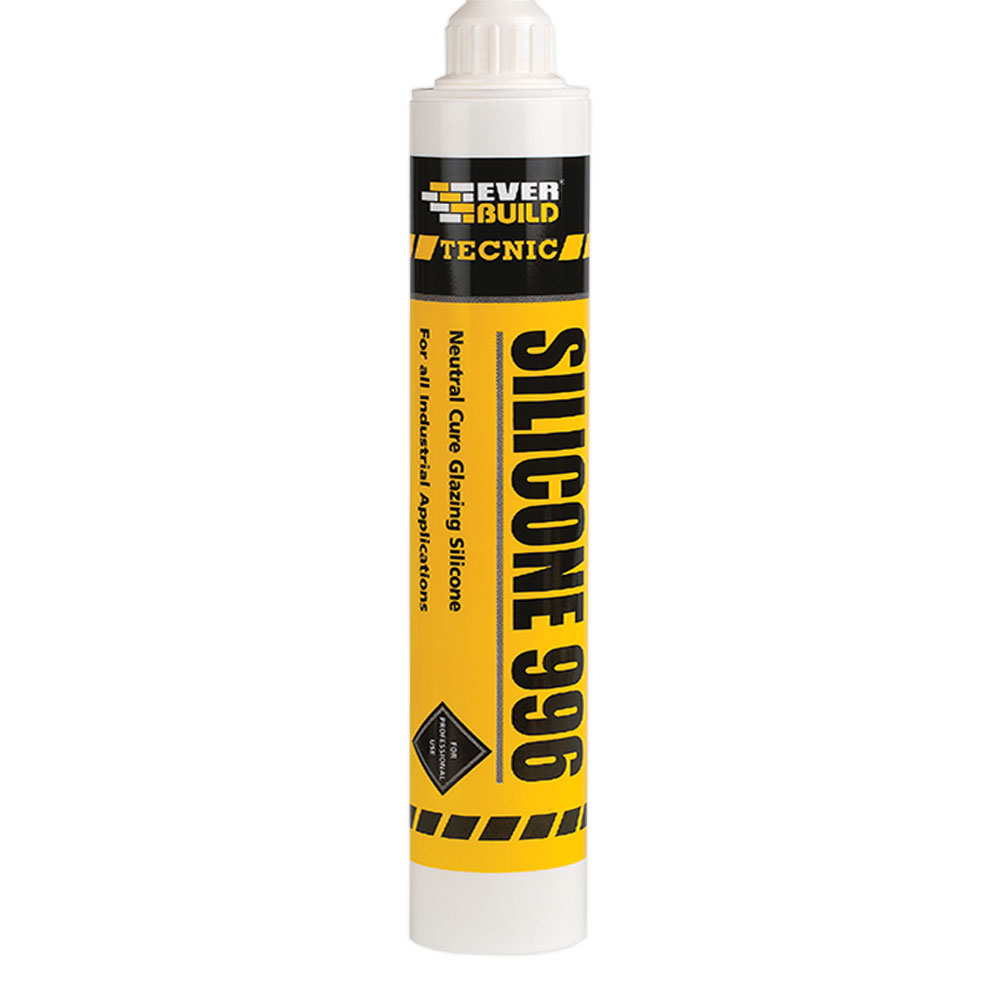
For example, using high-quality silicone tubes ensures that window seals remain intact during heavy rains in Kisumu or Mombasa.
Window Putty
Window putty has limitations:
-
Brittleness Over Time: Putty can crack or crumble in dry conditions and may require frequent touch-ups.
-
Moisture Sensitivity: Susceptible to water absorption, which may lead to mold growth or wood frame decay.
-
Maintenance: Requires repainting or reapplication every 3–5 years, increasing long-term costs.
In coastal towns like Malindi, repeated exposure to humidity accelerates the degradation of traditional putty, making silicone a more practical choice.
Step-by-Step Installation: Silicone vs. Putty
Installing Silicone Sealant
-
Surface Preparation: Clean and dry the frame thoroughly, removing dust, grease, or old sealant.
-
Masking: Apply painter’s tape along edges to ensure neat lines.
-
Application: Using a quality caulking gun, dispense a consistent bead of silicone along the gap.
-
Smoothing: Tool the bead with a silicone spatula or a wet finger to achieve a uniform finish.
-
Curing: Allow 24–48 hours for full curing; avoid exposure to water during this period.
Silicone’s flexibility accommodates frame movement due to temperature fluctuations or wood expansion, reducing the risk of cracks or leaks.
Applying Traditional Window Putty
-
Prepare the Frame: Ensure the frame is dry and remove any old putty residues.
-
Kneading Putty: Roll the putty into a rope-like shape that fits snugly around the glass pane.
-
Pressing: Push the putty into the frame-glass junction using a putty knife.
-
Shaping: Smooth the edges for aesthetic finish and paint once it has partially set.
-
Drying Time: Initial set takes 2–7 days; full curing may take weeks.
Putty is less forgiving than silicone; any frame movement during curing can cause cracks, particularly in highland areas with cooler temperatures that slow drying.
Common Mistakes to Avoid in Kenya
-
Ignoring Surface Prep: Dust, grease, or moisture reduces adhesion of both putty and silicone.
-
Over-application: Excess material leads to messiness and waste.
-
Neglecting Curing Time: Silicone requires at least 24 hours; putty may need weeks to fully harden.
-
Painting Too Soon: Painting uncured putty traps moisture and accelerates cracking.
-
Using Low-Quality Materials: Cheap sealants or putty deteriorate faster under Kenyan climatic conditions.
Using proper tools, such as an Ingco Hand Riveter or fixtec spanners, can also improve precision and longevity when installing window frames or sealing components.
Comparing Cost and Lifecycle Performance
| Feature | Silicone Sealant | Window Putty |
|---|---|---|
| Initial Cost | Moderate | Low |
| Maintenance | Low | High |
| Durability | 15–20+ years | 3–5 years |
| Weather Resistance | Excellent | Moderate |
| Flexibility | High | Low |
While silicone sealants have a higher upfront cost, their low maintenance and superior durability often make them more cost-effective in the long term, particularly for commercial buildings or coastal residences.
Tools Needed for Optimal Installation
-
Caulking gun – for controlled silicone application
-
Silicone spatula or smoothing tool – ensures clean lines
-
Putty knife – essential for shaping traditional putty
-
Cleaning agents – remove old residues and dust
-
Safety gloves – protect hands from chemical irritation
Investing in quality tools improves efficiency, reduces errors, and extends the lifespan of your window seals.
Silicone Sealant vs Window Putty: Environmental Considerations
-
Coastal Kenya: High humidity, salty air, and strong UV exposure favor silicone’s durability.
-
Highlands (Nairobi, Eldoret): Cooler temperatures slow putty curing; silicone adapts better to expansion and contraction.
-
Urban Areas (Mombasa, Nairobi): Pollution and cleaning agents can degrade putty faster; silicone offers chemical resistance.
Selecting the right material is as much about local climate adaptation as it is about cost or appearance.
Step-by-Step Maintenance Tips
For Silicone Seals
-
Inspect annually for minor gaps.
-
Remove debris or dust along the bead.
-
Avoid using abrasive chemicals directly on the sealant.
For Putty
-
Repaint every 2–3 years.
-
Check for cracks or shrinkage after rainy seasons.
-
Replace damaged sections promptly to prevent water ingress.
Typical Applications in Kenya
-
Residential Homes: Silicone sealants are ideal for window frames in coastal apartments or highland villas, ensuring long-term waterproofing.
-
Commercial Buildings: Offices and retail spaces in Nairobi or Mombasa benefit from reduced maintenance and enhanced aesthetics.
-
Public Institutions: Schools, hospitals, and government buildings require low-maintenance, durable window seals.
-
DIY Projects: Homeowners upgrading or repairing windows can achieve professional results with silicone tubes and a caulking gun.
-
Fabrication and Glazing: Contractors installing glass partitions or aluminum frames find silicone easier to work with and less prone to failure.
In all these contexts, using silicone sealant vs window putty ensures compliance with modern building standards, reduces maintenance costs, and improves long-term performance.
Conclusion
Choosing between silicone sealant and traditional window putty is no longer just a matter of habit—it’s a strategic decision that impacts durability, maintenance, and overall building performance. Silicone sealants provide superior waterproofing, flexibility, and long-term cost savings, making them the preferred choice for most Kenyan climates. While traditional putty remains viable for small projects or historical restorations, modern construction increasingly favors silicone.
For your next window installation or upgrade, explore the full range of sealing solutions at Ngong Hills Merchants Shop and get expert advice tailored to Kenyan conditions. Contact our team for guidance on materials, tools, and best practices at Contact Us.
Equip your project with quality products, including caulking guns and silicone tubes, to achieve long-lasting results and a professional finish.