Blog
Overcoming Low Water Pressure for Your Instant Shower


A consistent, strong shower flow is essential for a comfortable daily routine in Kenyan homes. Unfortunately, many households face issues with low water pressure instant shower Kenya, resulting in trickling water, cold spots, and a frustrating bathing experience. Whether you have an Ariston, Lorenzetti, or other popular instant shower brand, understanding the causes and solutions of low water pressure is critical for ensuring comfort and efficiency.
This guide provides a detailed, Kenya-focused exploration of low water pressure issues, including technical causes, troubleshooting steps, installation best practices, and maintenance tips. Additionally, it incorporates practical solutions using locally available plumbing tools and materials from Ngong Hills Merchants. By the end of this article, homeowners, landlords, and installers will have a clear roadmap to restore optimal shower performance.
Common Causes of Low Water Pressure in Instant Showers
Understanding the root cause is the first step toward fixing low water pressure in an instant shower.
1. Inadequate Household Water Supply
In many Kenyan neighborhoods, water supply from municipal networks or boreholes can fluctuate, particularly during peak usage hours. In areas like Nairobi’s densely populated suburbs or coastal towns like Mombasa, low municipal water pressure can directly affect shower performance.
2. Pipe Diameter and Plumbing Layout
Incorrect pipe sizing reduces water flow to the shower unit. Standard installations in Kenyan homes often use 15–20 mm piping for bathroom supply, but long runs or multiple bends can cause significant pressure loss. Ensuring compliance with recommended pipe standards from Ngong Hills Merchants plumbing category is crucial.
3. Blockages or Scaling
Limescale buildup, debris, or rust in pipes or shower heads reduces water flow. Hard water areas like Kisumu and Eldoret experience higher scaling in older plumbing systems. Regular descaling and pipe cleaning can restore optimal instant shower water flow.
4. Shower Unit Restrictions
Some instant showers have internal flow restrictors to conserve energy and water. While beneficial for efficiency, these can limit water pressure if municipal supply is already low. Checking specifications for devices like Lorenzetti or Ariston instant showers is essential.
How to fix low water pressure in an instant shower?
This step-by-step guide provides practical solutions suitable for Kenyan homes.
Step 1: Assess Household Water Pressure
-
Use a water pressure gauge at the inlet to measure supply.
-
Ideal pressure for instant showers: 20–30 psi (1.4–2 bar).
-
If below this range, consider pressure boosters or pumps.
For borehole-fed homes, submersible pumps can maintain consistent pressure. Explore the submersible water pumps catalog for reliable options.
Step 2: Inspect Plumbing Layout
-
Check pipe diameters and run lengths.
-
Replace narrow or corroded pipes using quality materials from Ngong Hills Merchants plumbing category.
-
Reduce unnecessary bends or fittings to minimize pressure drops.
Step 3: Clean Shower Head and Hoses
-
Remove and soak shower heads in a mild vinegar solution to dissolve mineral deposits.
-
Replace old or blocked hoses with new flexible piping.
-
For precise adjustments, tools like the Ingco Hand Riveter 8 HR081 help secure brackets and supports.
Step 4: Check for Flow Restrictors
-
Some instant showers include built-in restrictors to limit flow.
-
Consult the manufacturer manual and consider adjusting or removing if supply allows.
Step 5: Install a Pressure Booster
-
If water supply is consistently low, a booster pump increases instant shower water flow.
-
Compact, energy-efficient pumps are available for residential installations. Refer to the plumbing category for pump options.
Step 6: Test and Optimize
-
After modifications, measure flow at multiple times of day.
-
Adjust temperature and flow settings on the instant shower unit to match supply conditions.
Proper maintenance ensures that low water pressure instant shower Kenya issues do not recur, keeping daily routines smooth and comfortable.
Tools and Materials for Fixing Low Water Pressure
Using the right tools and materials is essential for a safe and lasting repair.
Recommended Tools
-
Pressure Gauge: Measures inlet water pressure.
-
Pipe Cutter/Saw: Tools like Prescott Circular Saw 1400W PT0618505 for cutting pipes cleanly.
-
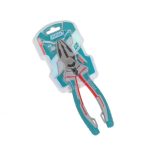
Wrenches and Pliers: Adjustable spanners or insulated pliers, such as Ingco Insulated Wire Stripping Pliers, for safe handling of connections.
-
Descaling Brushes or Files: Maintain clear water paths, e.g., UYUS Tools Flat Steel File 10 LMP910.
Recommended Materials
-
High-quality flexible hoses
-
PPR or PVC pipes (depending on compatibility with your shower unit)
-
Teflon tape and pipe sealant for leak-free connections
Investing in durable materials ensures that instant shower water flow is restored and maintained over time.
Installation Best Practices in Kenya
Proper installation reduces the risk of low water pressure instant shower
Placement and Height
-
Install instant showers according to manufacturer specifications (typically 1.2–1.5 m from the floor).
-
Avoid long pipe runs from the main supply to the shower.
Pipe Sizing
-
Use minimum 20 mm supply piping for single showers.
-
For multiple units or long runs, increase diameter to 25 mm or use a booster pump.
Electrical Safety
-
Instant showers are electric; always switch off the main before servicing.
-
Ensure compliance with KEBS and local wiring standards.
Proper installation ensures that your low water pressure instant shower Kenya issue is prevented before it starts.
Common Mistakes to Avoid
-
Ignoring inlet water pressure before installation.
-
Using undersized pipes for long plumbing runs.
-
Failing to clean or maintain shower heads regularly.
-
Overlooking manufacturer restrictions on flow rate.
-
Installing booster pumps without checking electrical compatibility.
Correcting these mistakes can prevent recurring low water pressure issues and reduce maintenance costs in Kenyan homes.
Maintenance Tips for Consistent Flow
Regular maintenance ensures strong, reliable instant shower water flow.
-
Clean shower heads monthly to prevent limescale buildup.
-
Inspect flexible hoses for kinks or blockages.
-
Check inlet filters on Ariston or Lorenzetti units.
-
Periodically test pressure using a gauge to ensure consistent flow.
Using these proactive steps, homeowners can enjoy hassle-free showers and extend the lifespan of their units.
Real-World Applications in Kenyan Homes
Urban Apartments
-
Commonly affected by low municipal supply during peak hours.
-
Installing booster pumps restores adequate flow for daily routines.
Standalone Homes with Boreholes
-
Borehole-fed showers often suffer pressure drops due to pipe friction.
-
Submersible pumps and proper pipe sizing improve instant shower water flow.
Luxury Homes and Hotels
-
Multiple shower units require larger supply pipes and pressure regulators.
-
Regular maintenance ensures consistent comfort for residents or guests.
Ngong Hills Merchants offers all necessary plumbing supplies, from high-quality hoses to pumps, accessible via the Shop.
Choosing the Right Shower Unit
Selecting an instant shower compatible with your water pressure is critical.
-
Lorenzetti: Works best with minimum 20 psi; includes internal flow restrictor adjustments.
-
Ariston: Efficient heating element but sensitive to low pressure.
-
Ensure unit supports desired flow rates for double or multi-bowl bathroom setups.
Using quality fittings and tools from Ngong Hills Merchants Plumbing category guarantees compatibility and long-term performance.